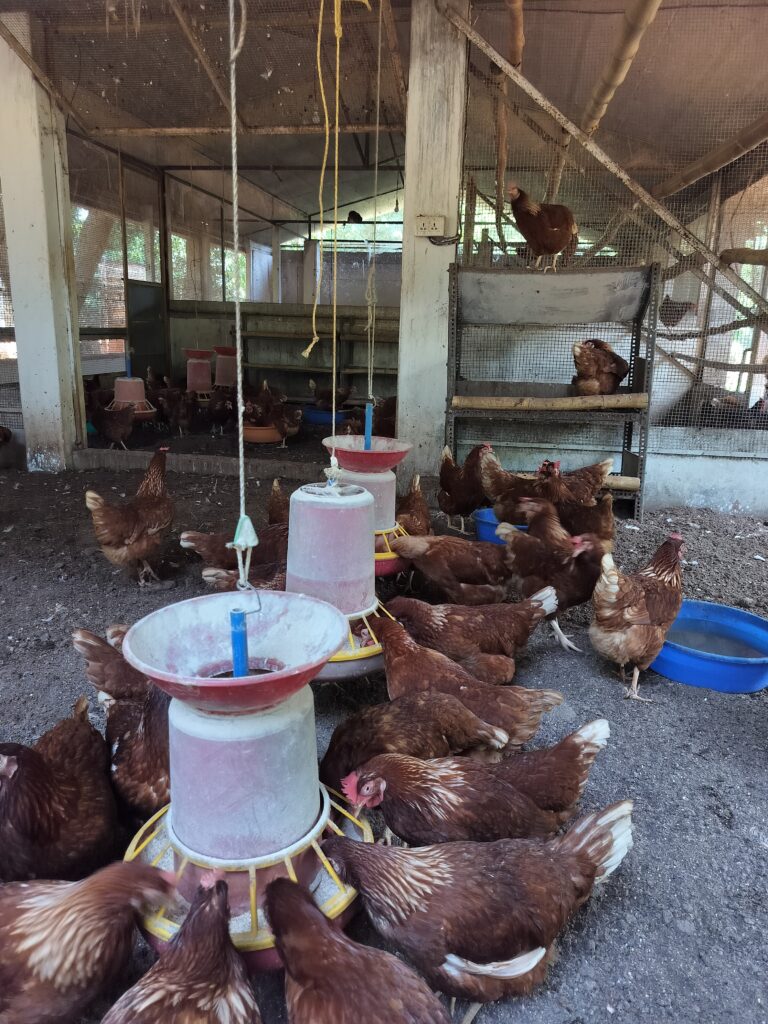
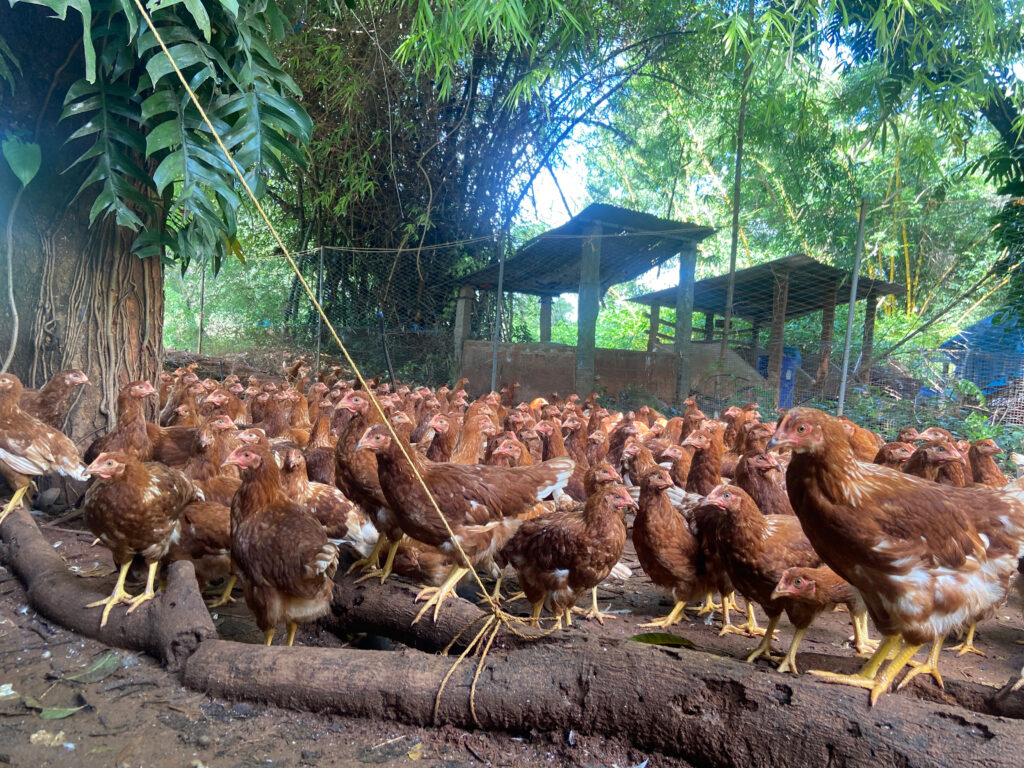
This year has been a year of transformation for the poultry. We completed the full transition from white to brown birds and strengthened our free-range systems, experimenting with new grazing rotations, fodder crops, and improved water and feeding systems. Despite periods of illness and market dips, bird health improved steadily, and we joined the Cage-Free & Free-Range Poultry Producers Association. As we advance on our application for the Humane Farm Animal Care certification, we remain even more committed to building ethical poultry as a core part of the farm.
This year has been a year of transformation for the poultry. We completed the full transition from white to brown birds and strengthened our free-range systems, experimenting with new grazing rotations, fodder crops, and improved water and feeding systems. Despite periods of illness and market dips, bird health improved steadily, and we joined the Cage-Free & Free-Range Poultry Producers Association. As we advance on our application for the Humane Farm Animal Care certification, we remain even more committed to building ethical poultry as a core part of the farm.
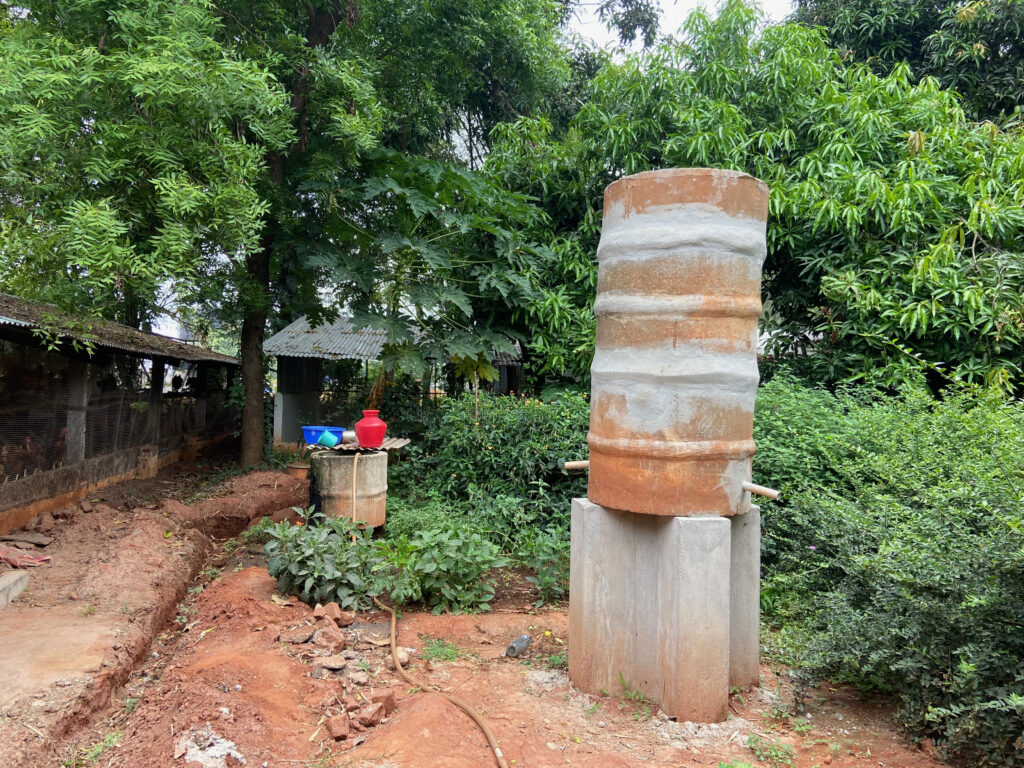
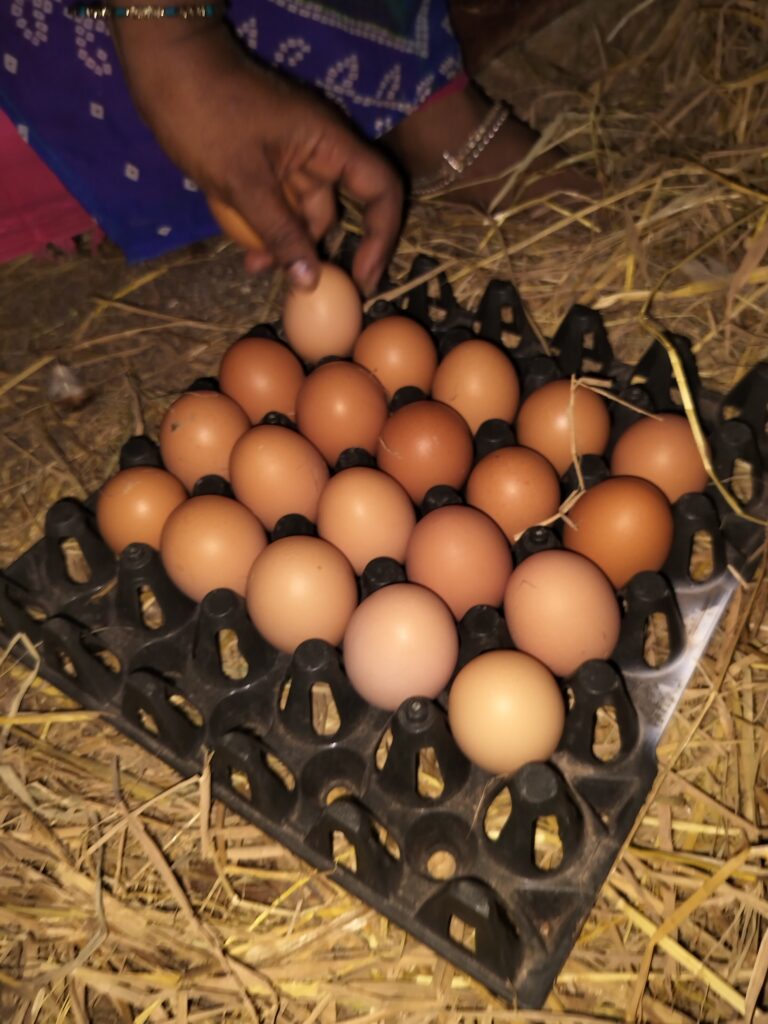
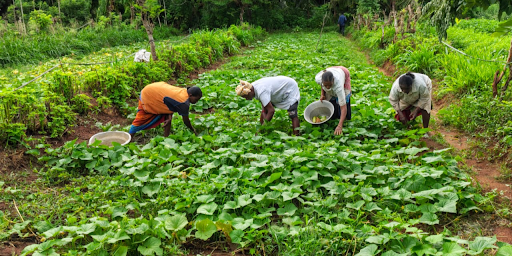
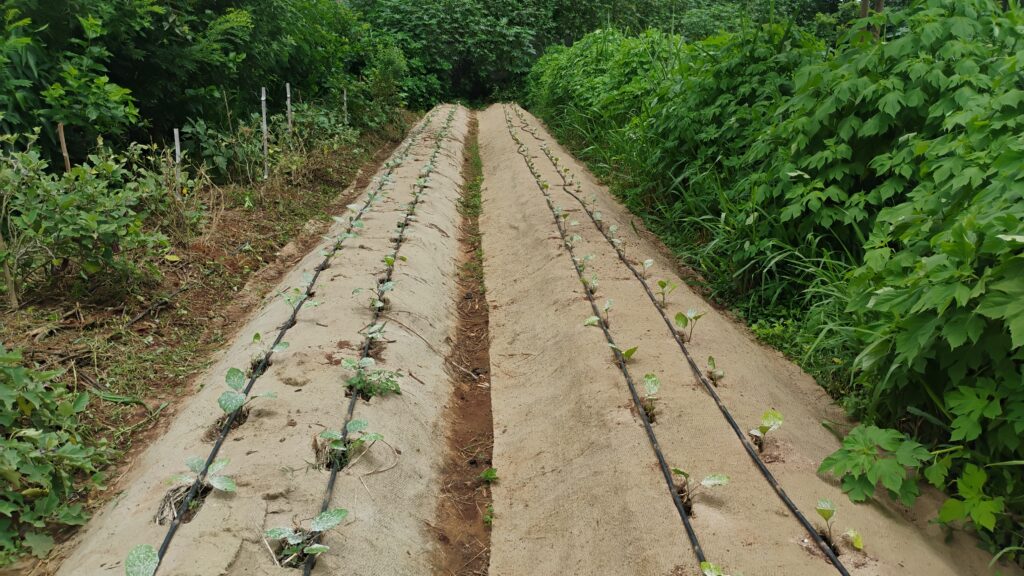
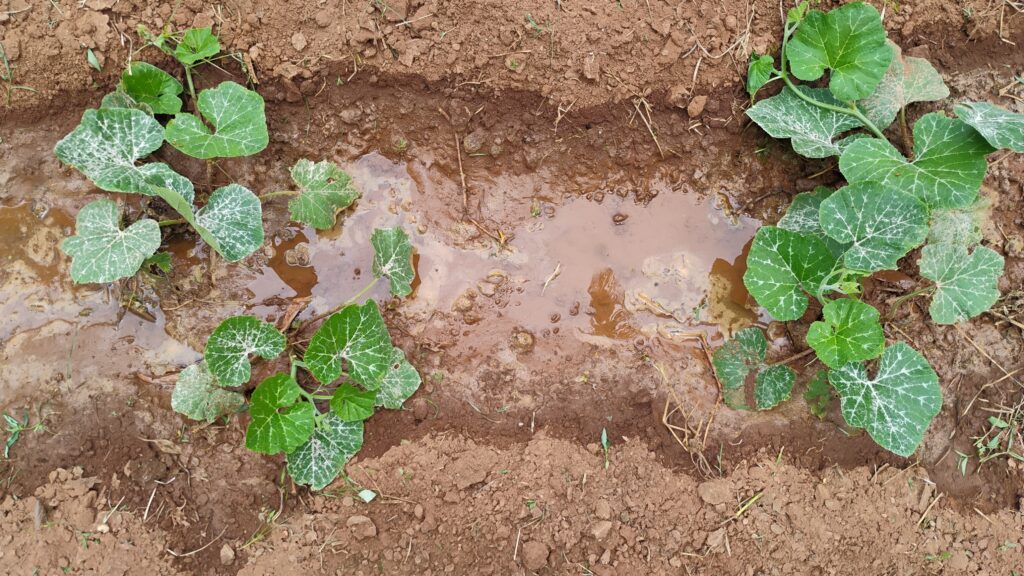
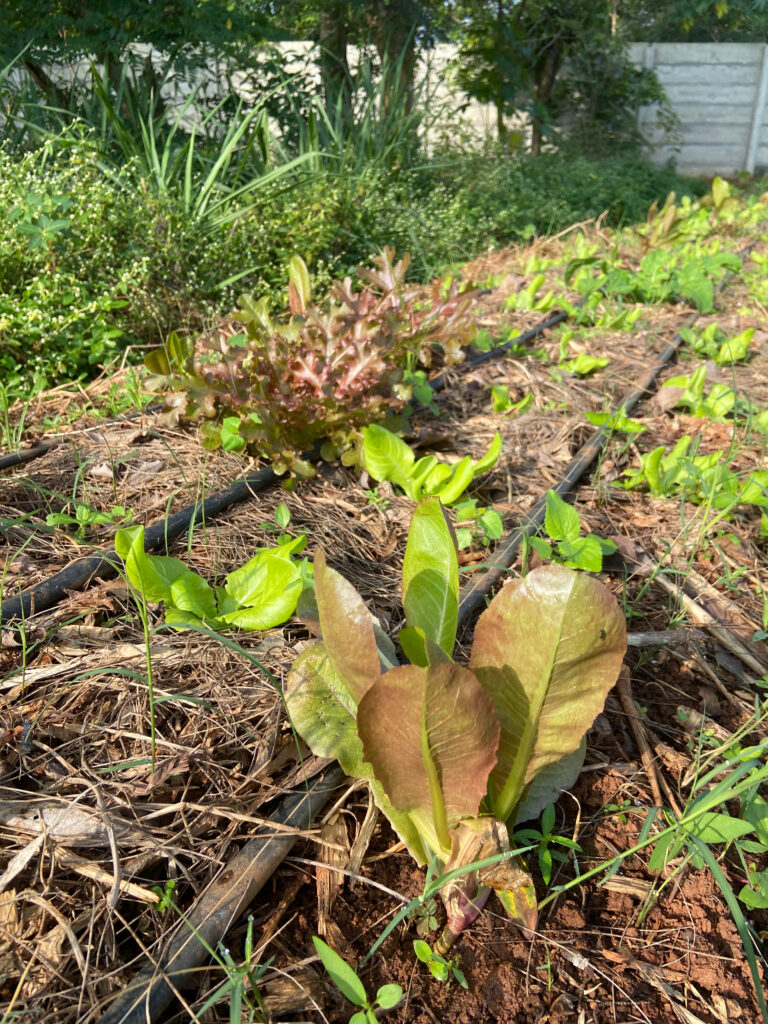
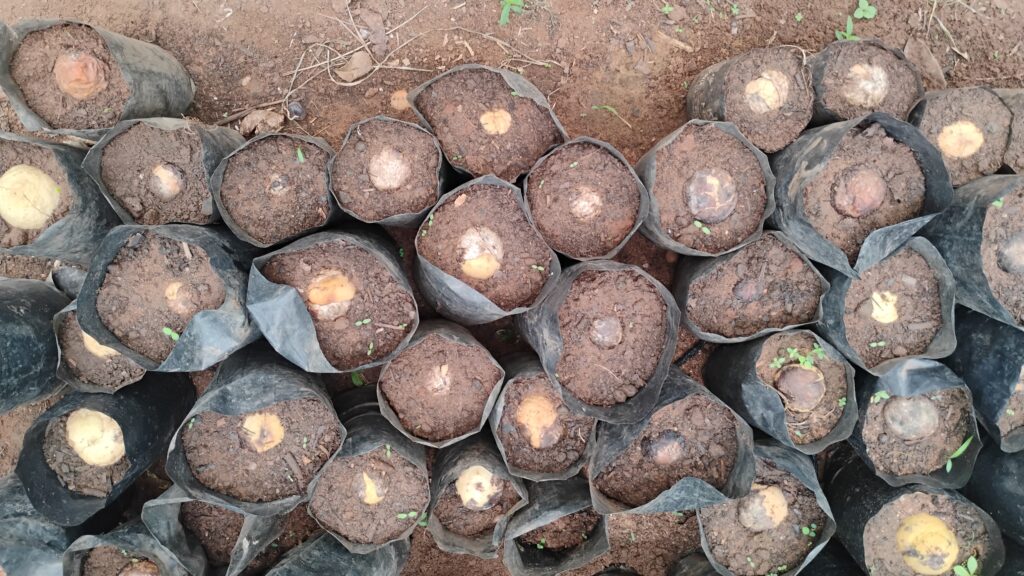
The vegetable garden has had abundant cool-season harvests, successful turmeric and sweet-potato yields, and expansions into wild edible greens and ginger trials. Monsoon months challenged sun-loving crops, but green manure, mulching, and raised-bed drainage helped maintain soil fertility. Burlap tarp experiment was a failure but it taught us something valuable about soil drainage during the monsoon. Throughout the year, we grew a steady diversity—from lettuces, greens, brinjal, ladies fingers, herbs, pumpkins, legumes, and root crops—while working to conserve moisture, add biomass, and refine weed management.
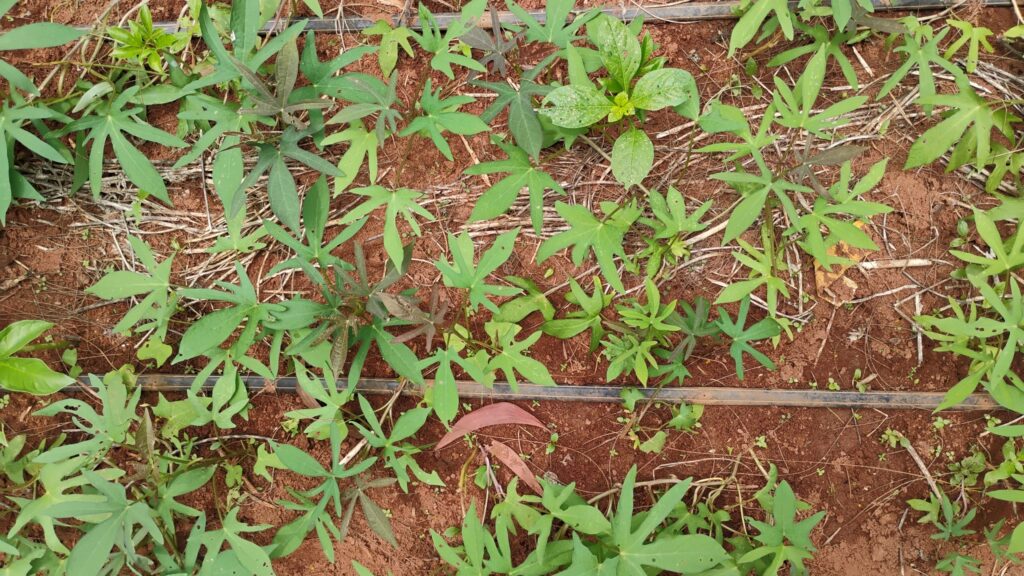
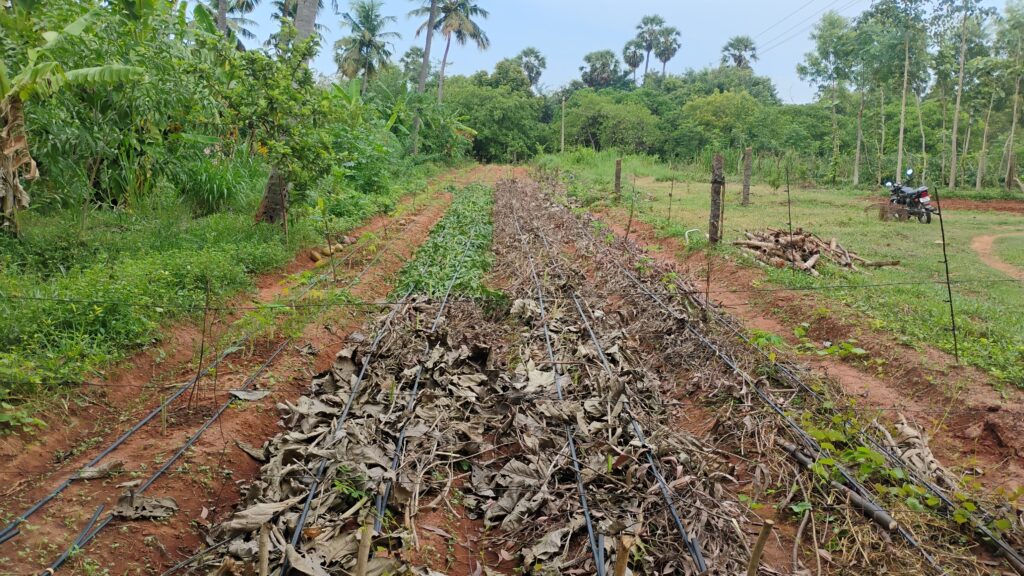
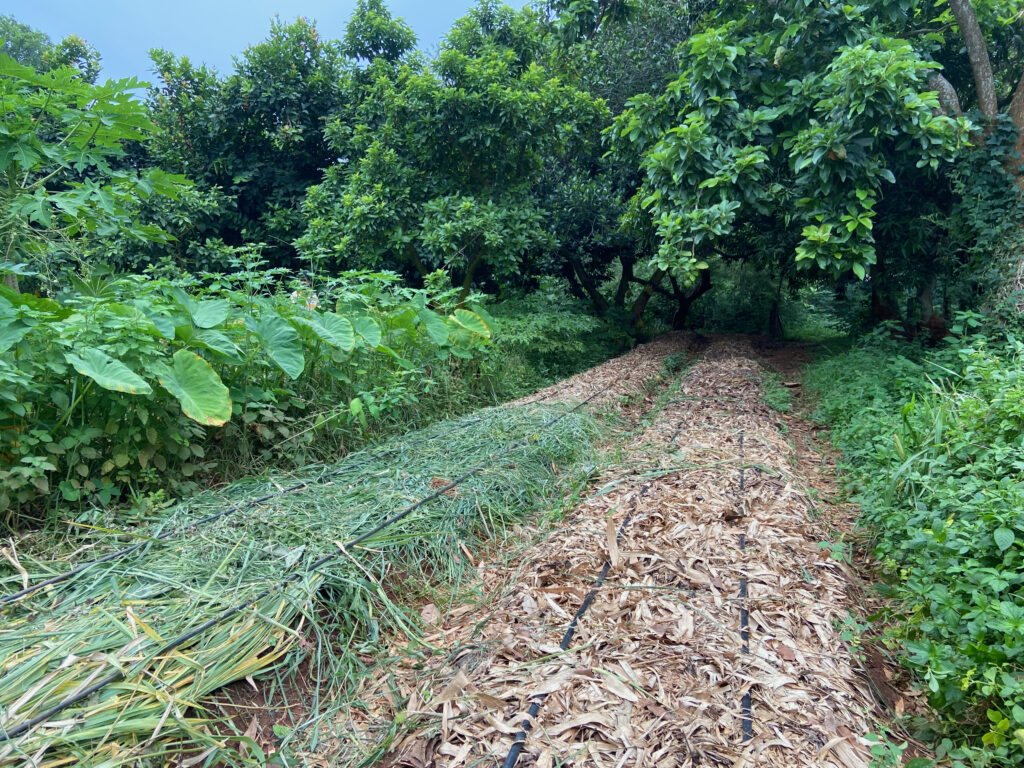
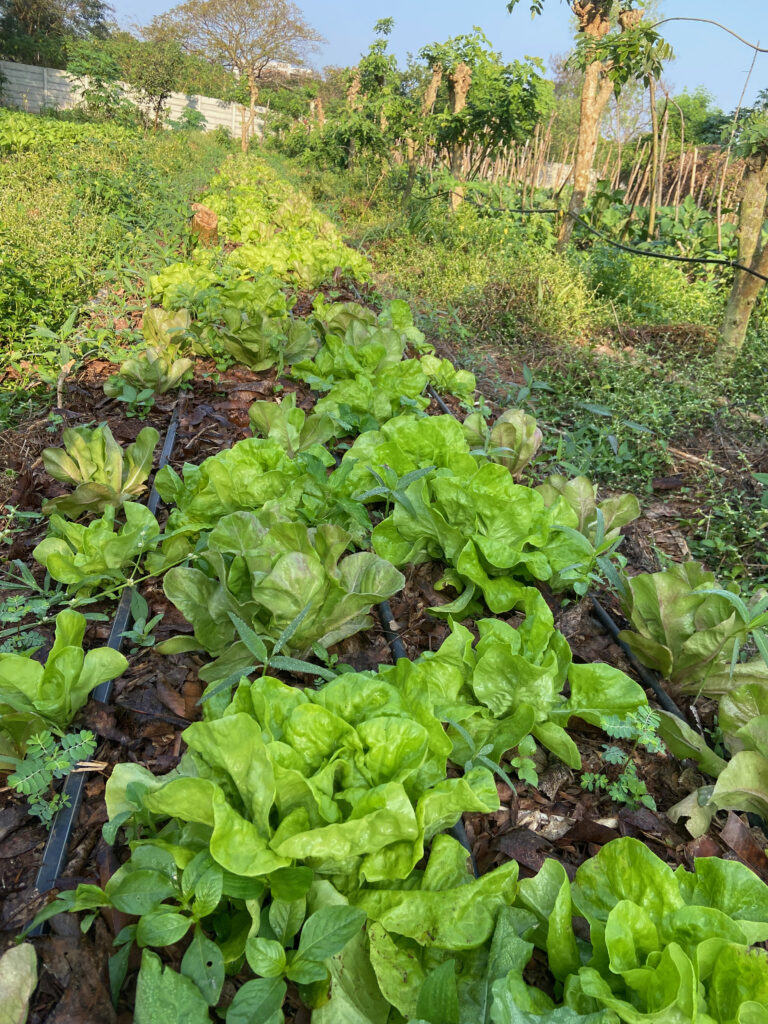
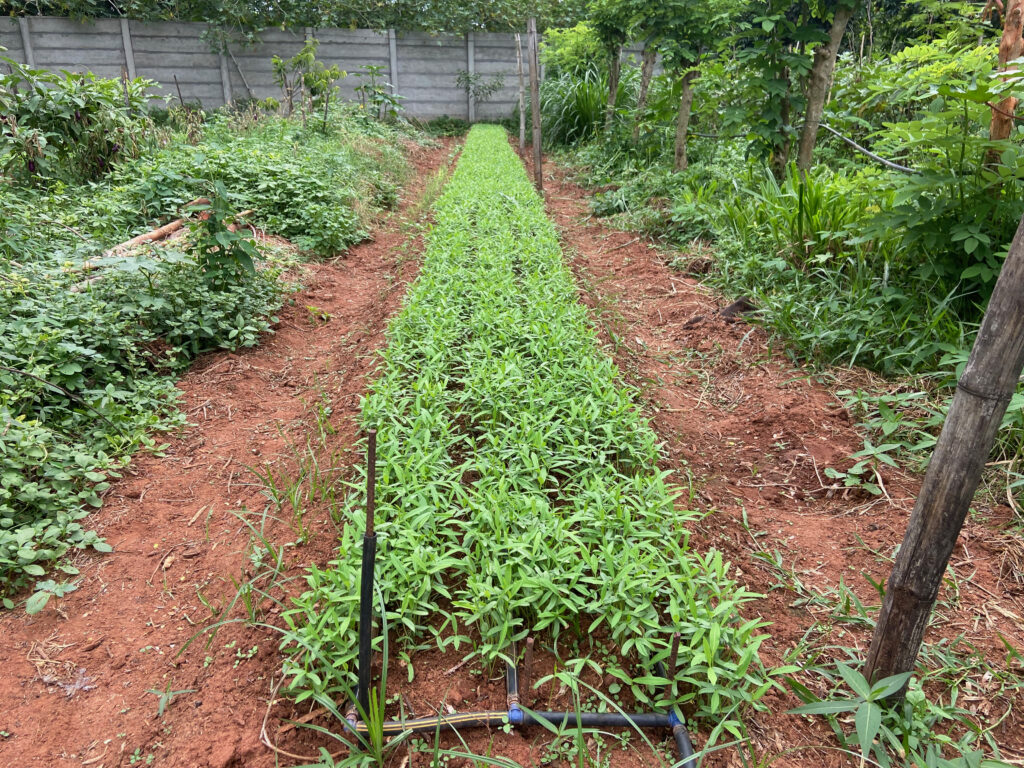
This was our most intensive orchard years, with seven new syntropic and intercropped fruit blocks planted (Papaya-Citrus, Avocado-Papaya, Coconut-Banana, Ramphal-Pineapple, Jackfruit-Papaya, Mango-Citrus, and Hope Jackfruit/Avocado blocks). Despite challenges with Mango and Avocado yields due to rains, the intercropping trials performed well—especially turmeric, pineapple, and pumpkin. We also expanded biomass species, refined pruning cycles, introduced new citrus, and continued cyclone recovery work for Papaya and Banana. Syntropic blocks showed vigorous, synergistic growth and promise as our most efficient orchard-establishment strategy. This work is exceptionally important in guiding our orchard work for the coming year.
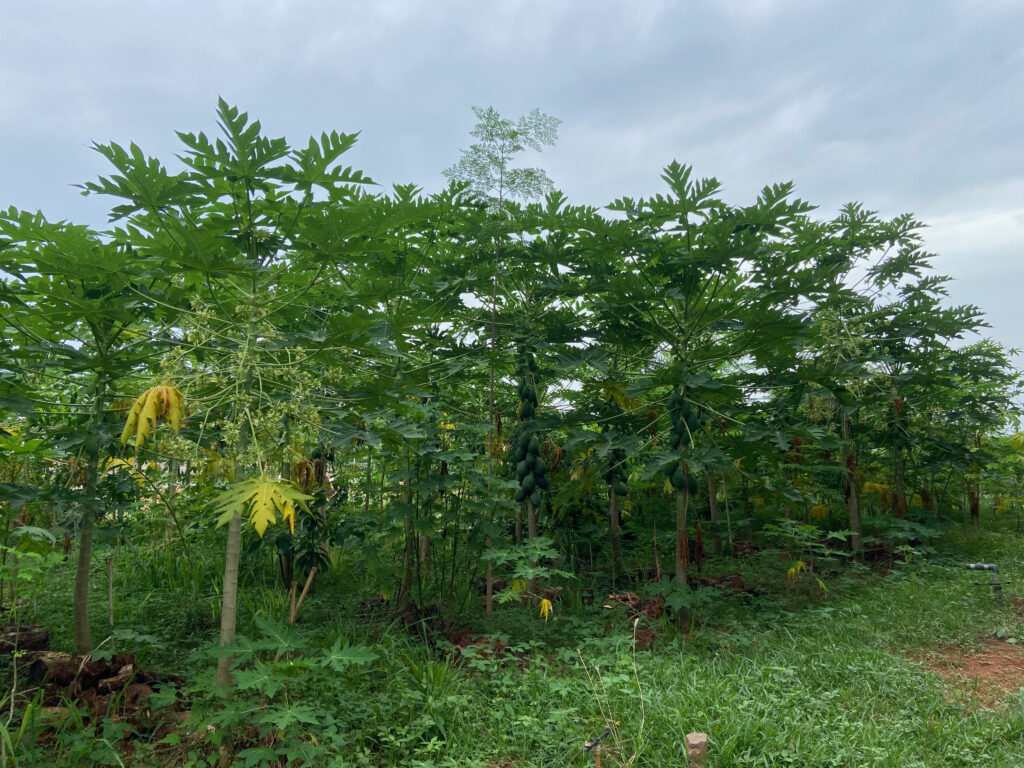
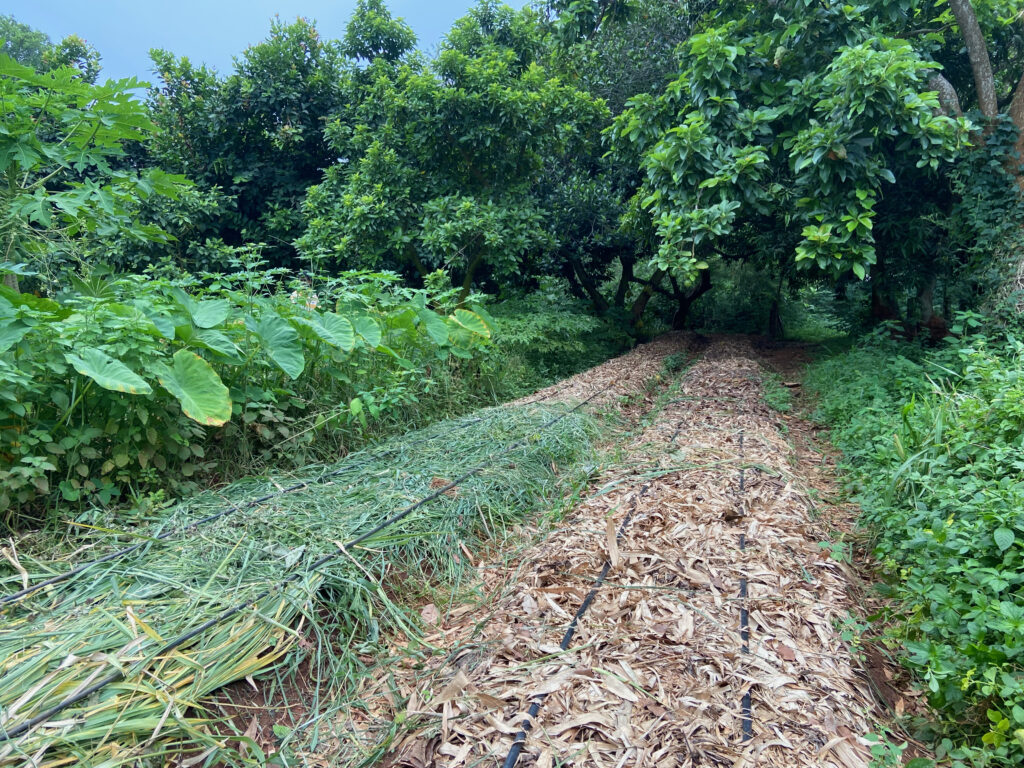
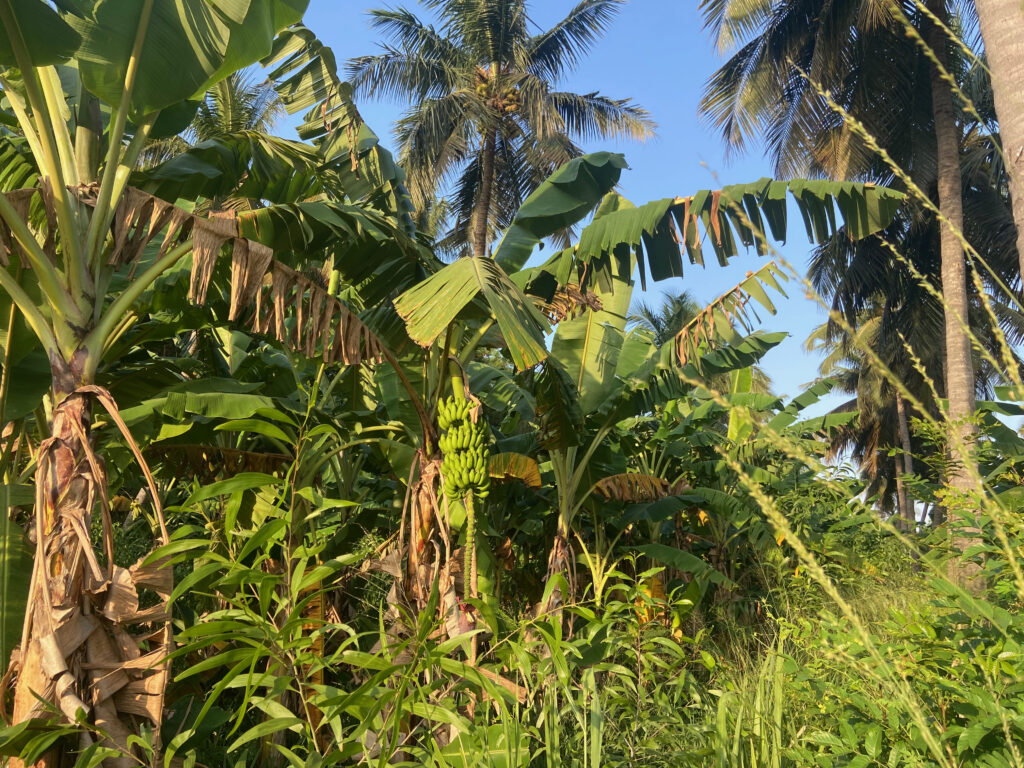
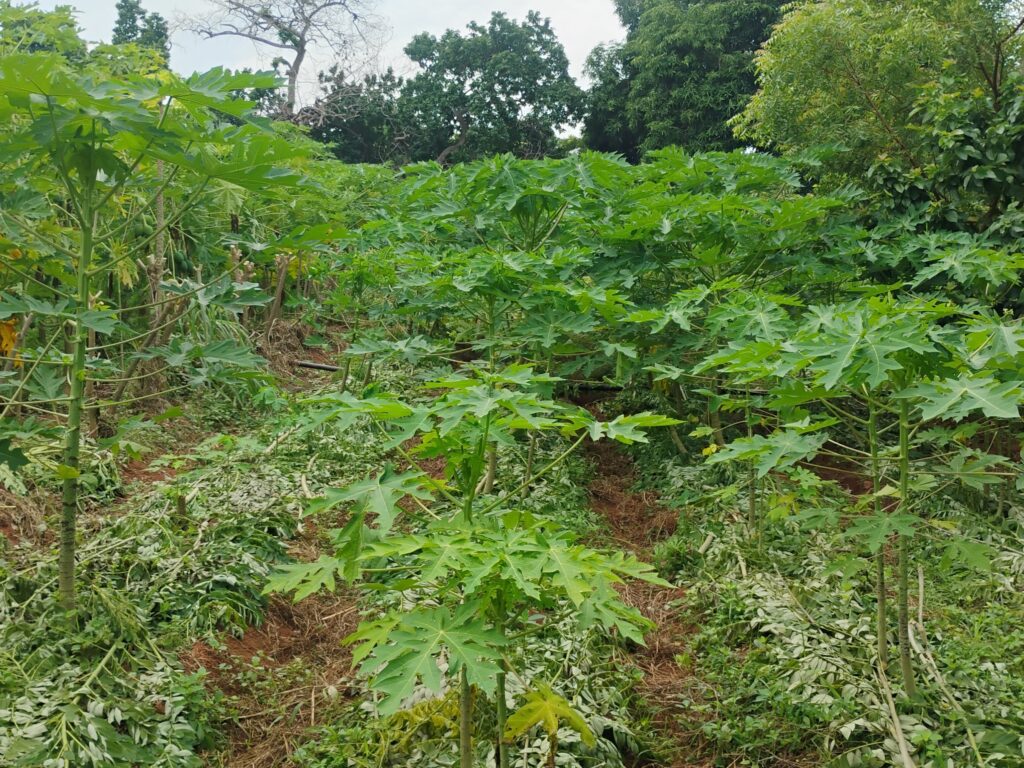
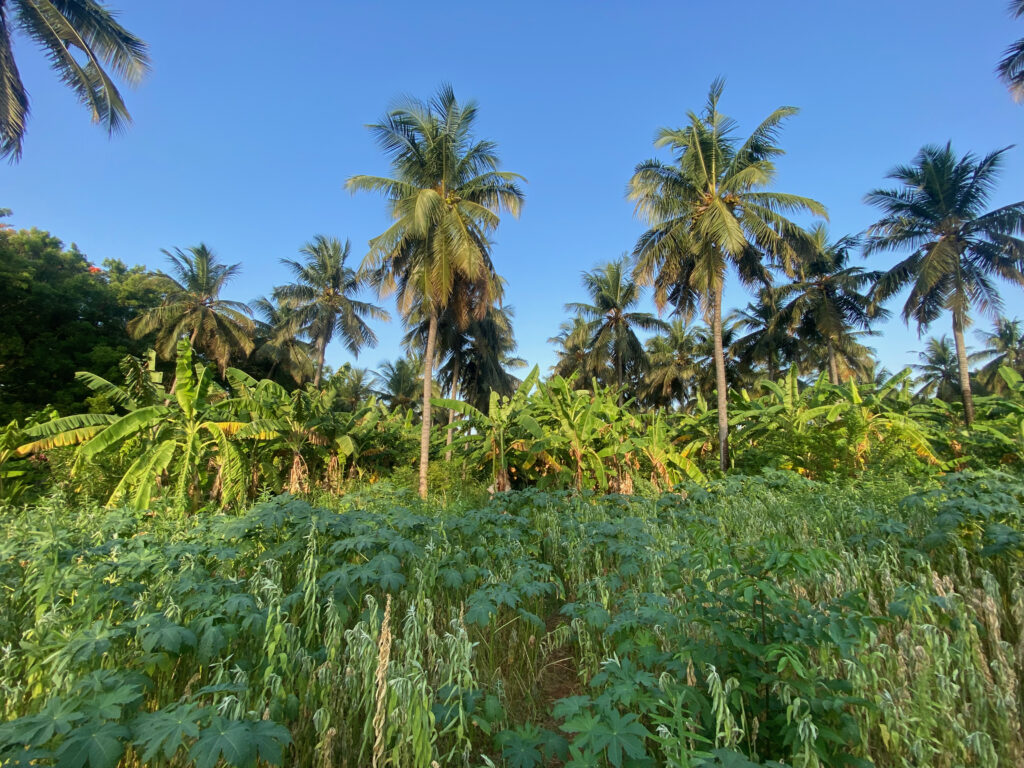
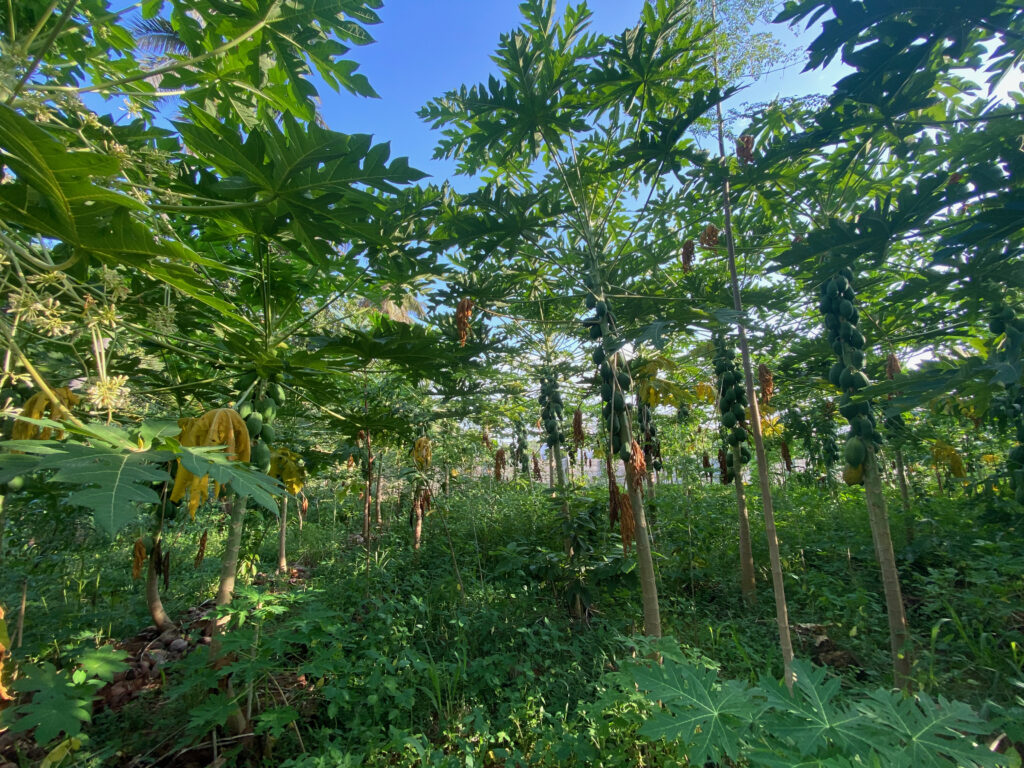
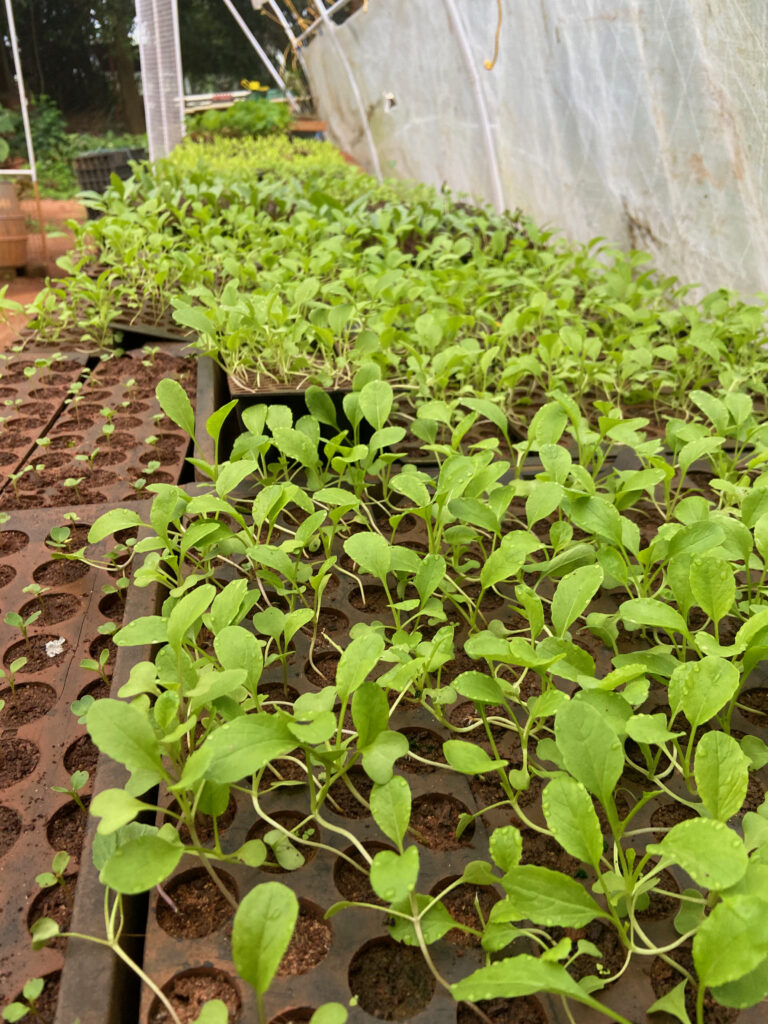
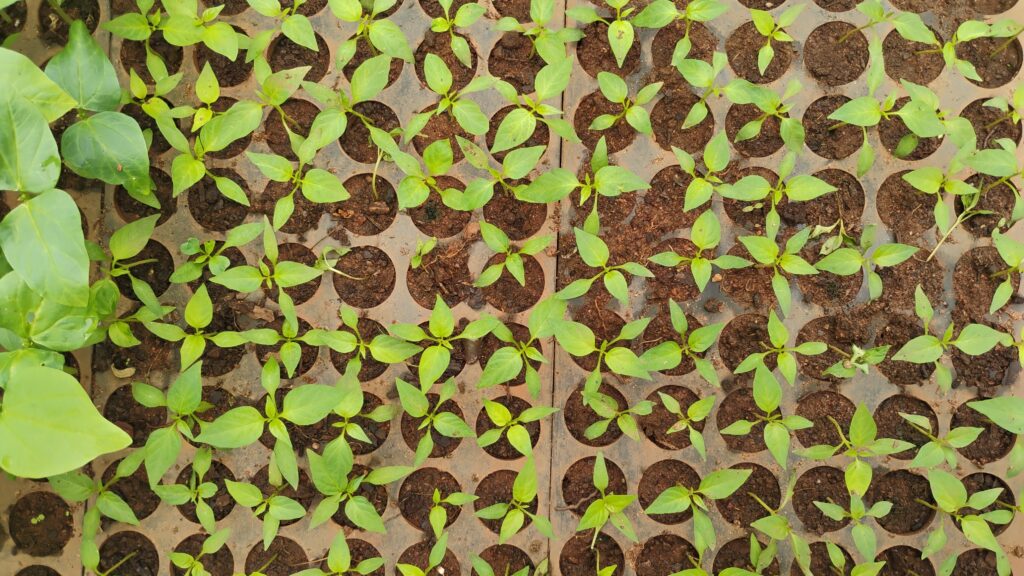
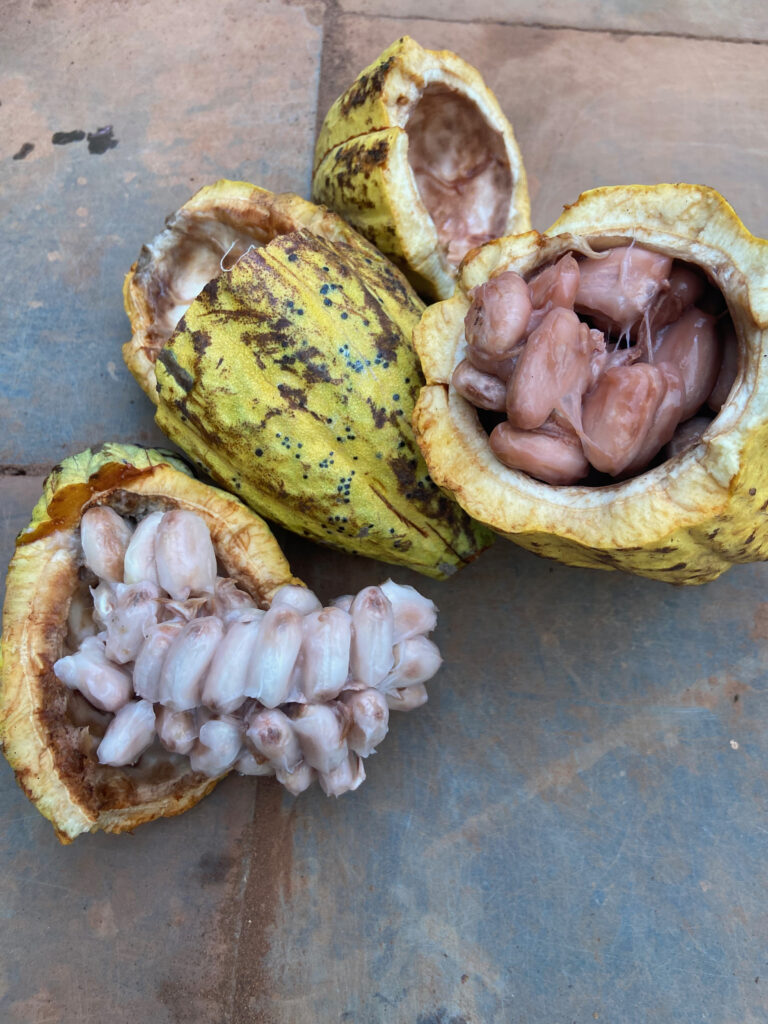
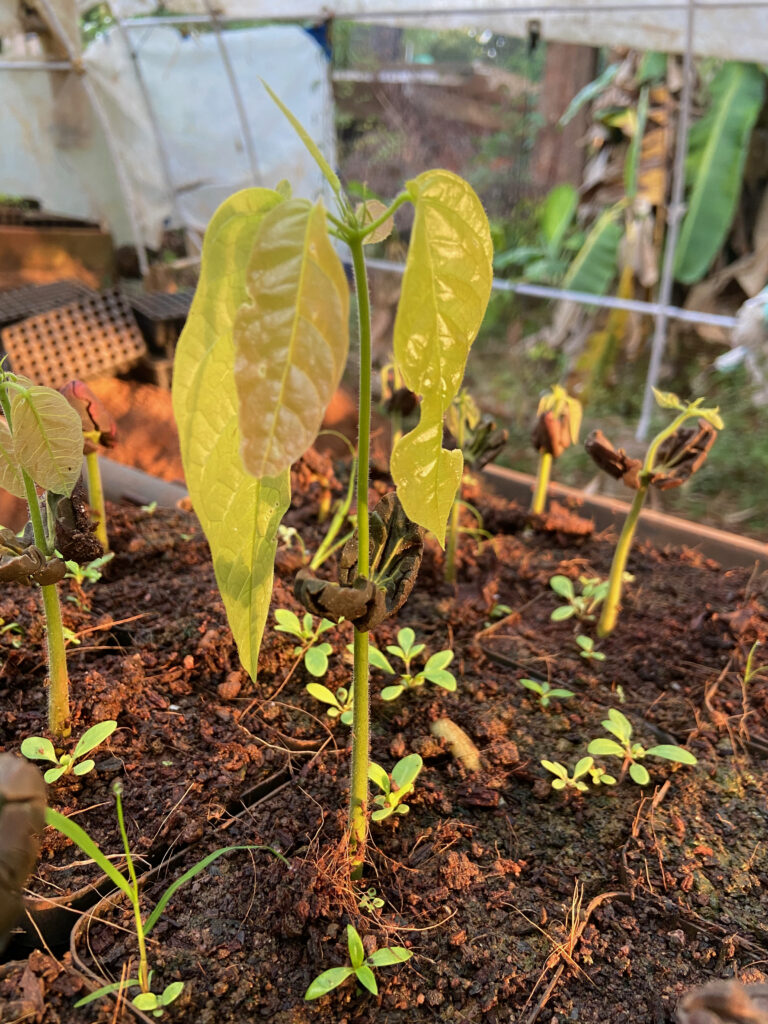
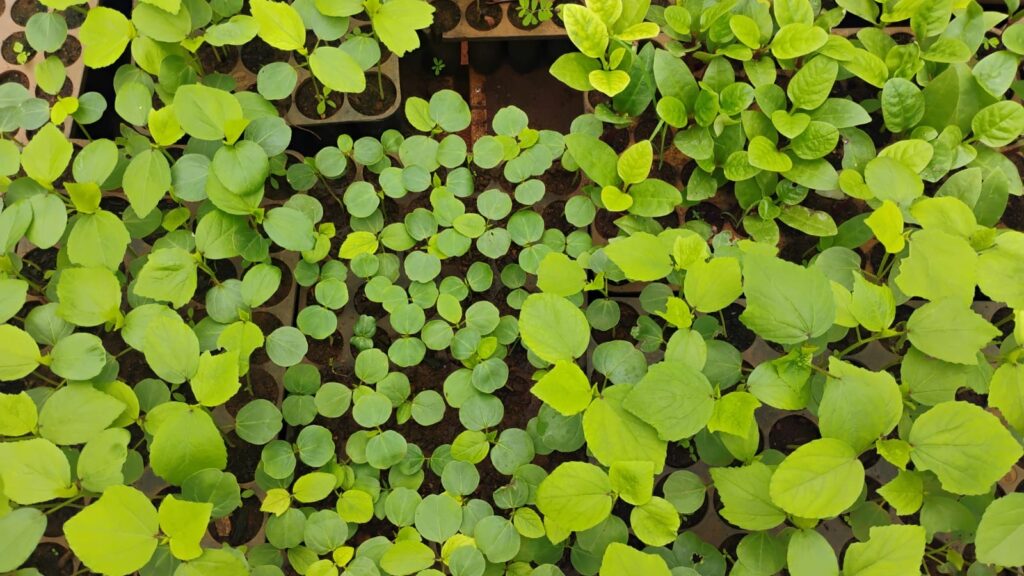
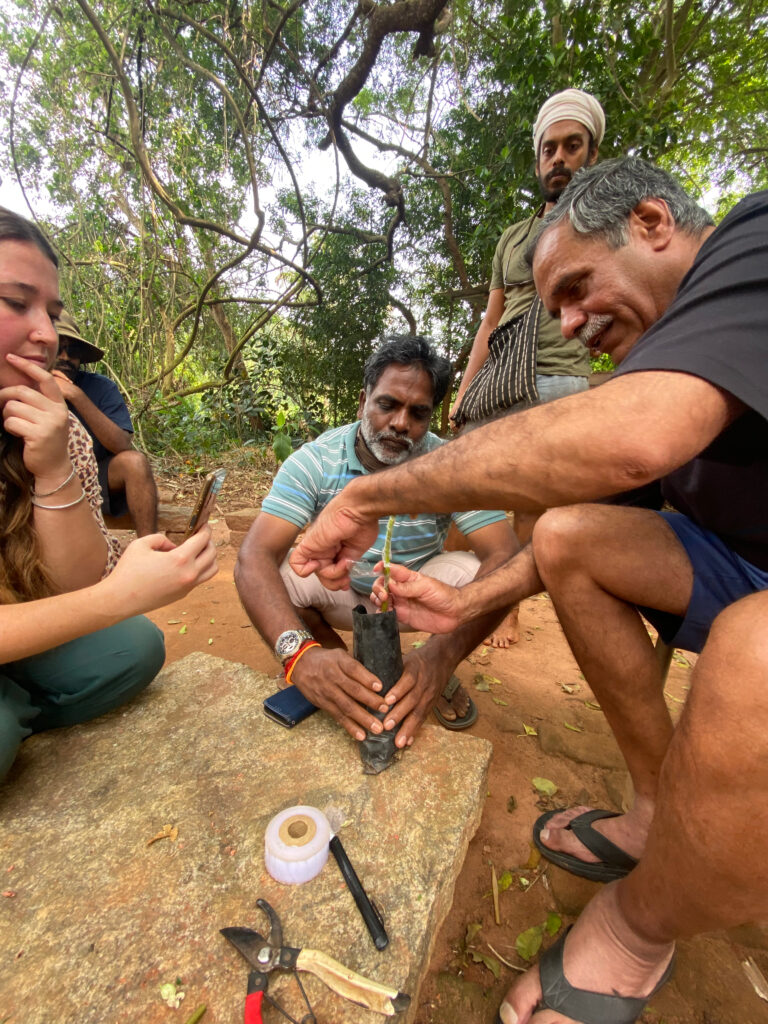
The nursery was vibrant and dynamic throughout the year, producing a wide range of vegetables, herbs, biomass plants, and fruit saplings. We propagated Jackfruit, Soursop, Papaya, Avocado, Mexican Sunflower, Moringa, Agathi, Subabool, Lemongrass, mint varieties, and other herbs. Community support helped expand our Avocado seedling collection and new Avocado plantations. The nursery played a central role in both orchard expansion and vegetable season planning.
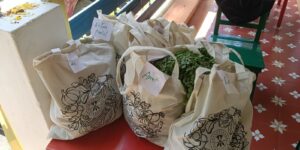
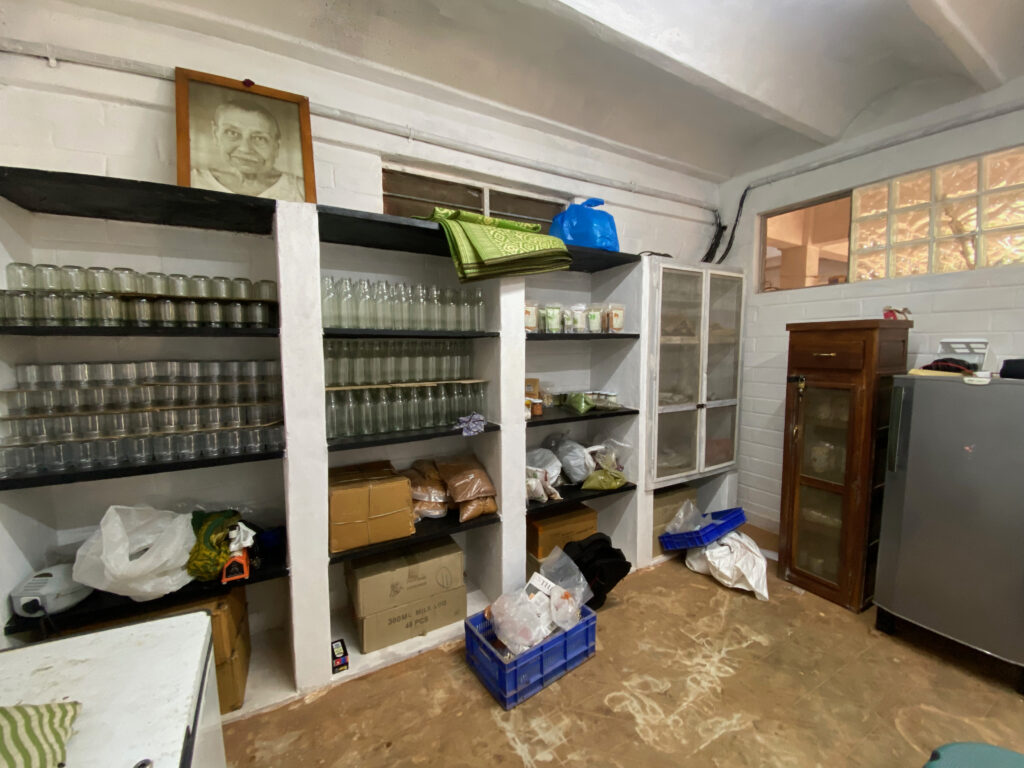
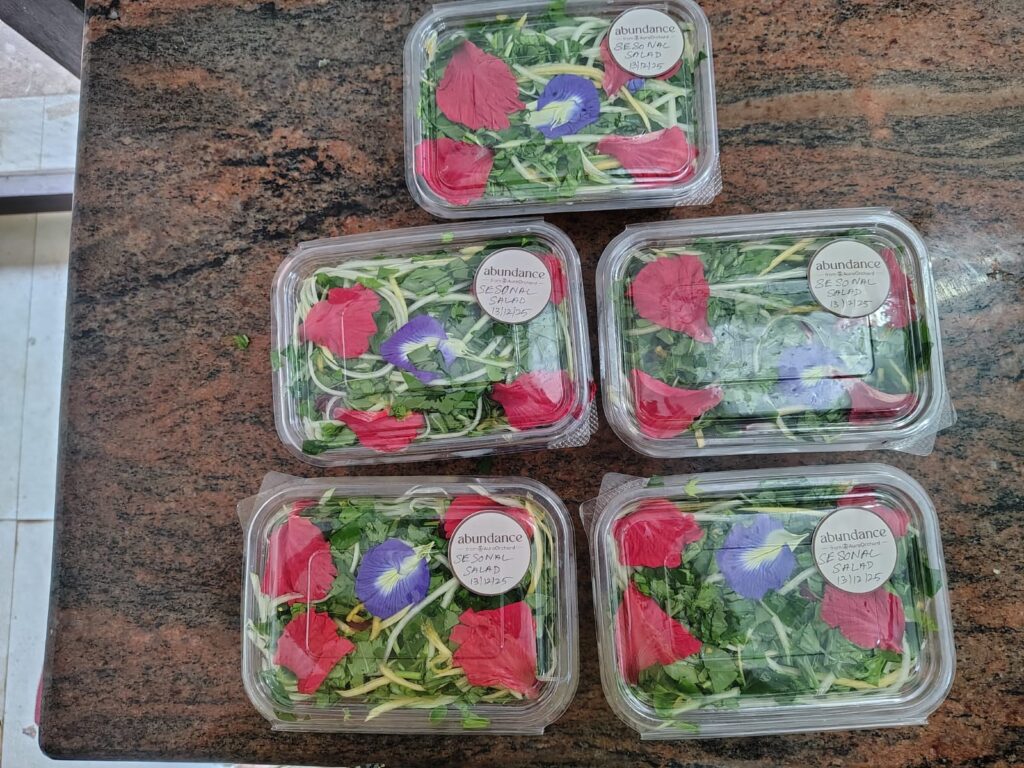
We emphasised the shift from “processing” to food preservation in using what the farm grows in ways that honour nutrition, flavour, and seasonality. This year, we offered a wide range of products—mango conserves, lemon marmalade, basil pesto, cashew items, herbs, brinjal spread, seasonal vegetable recipes, salad mix and so on. A new renovated workspace and a growing team allowed us to experiment more, receive valuable community feedback, and explore natural packaging for the future. We are entering the new year with the aspiration to extend as well as deepen this work.
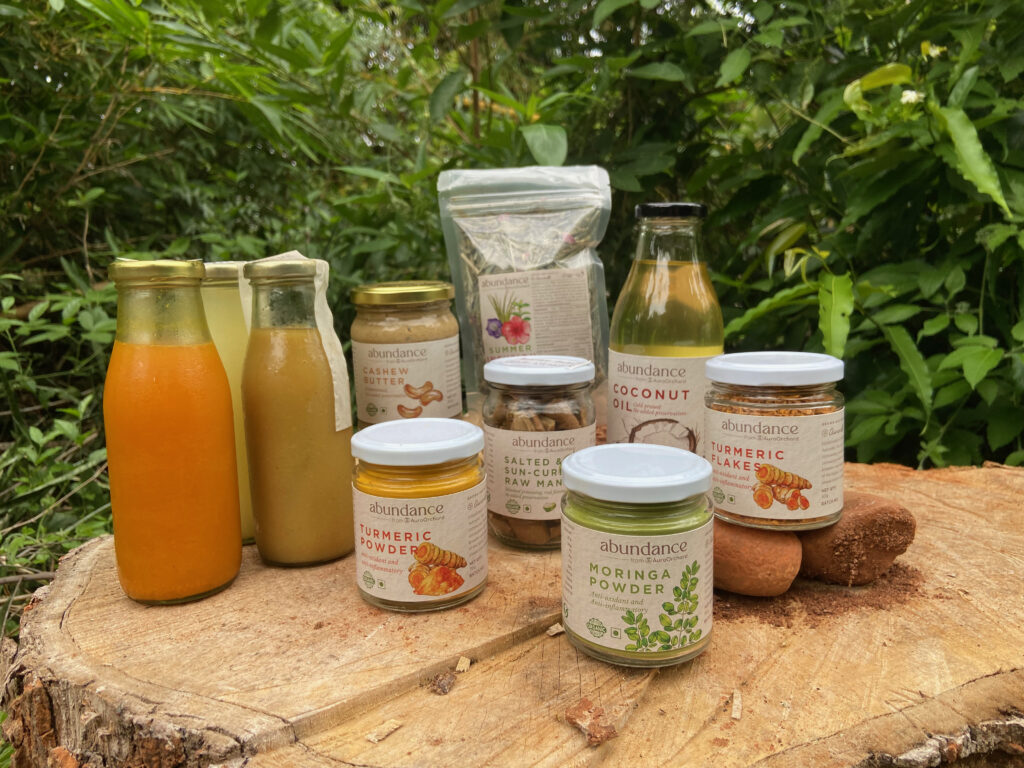
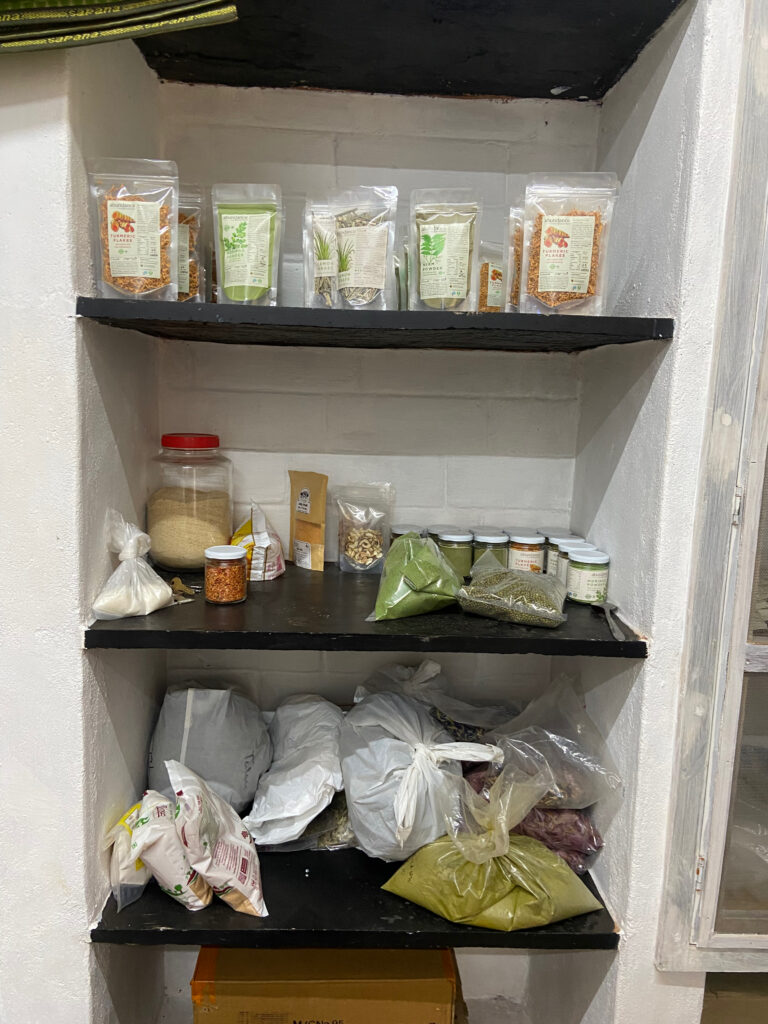
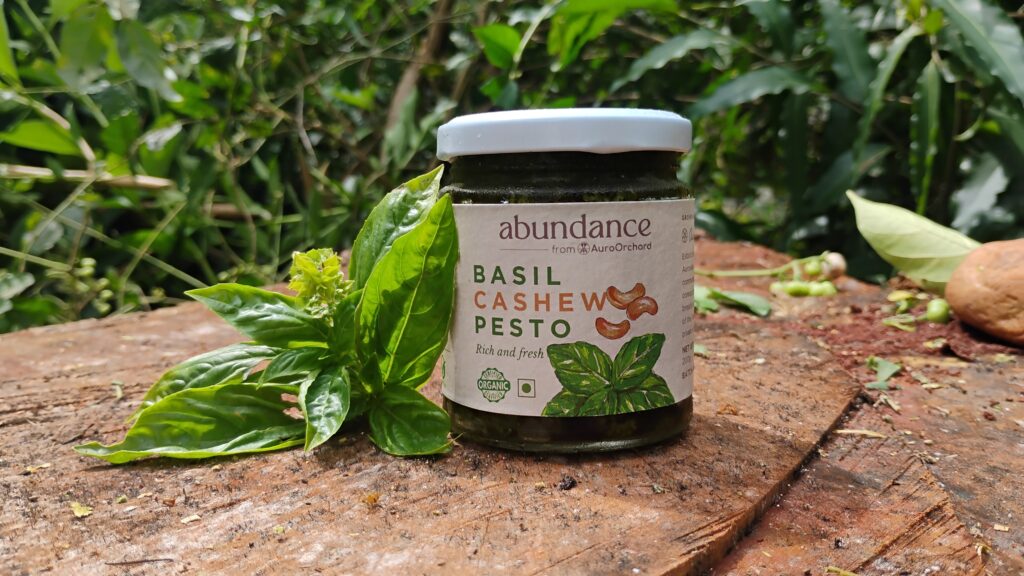
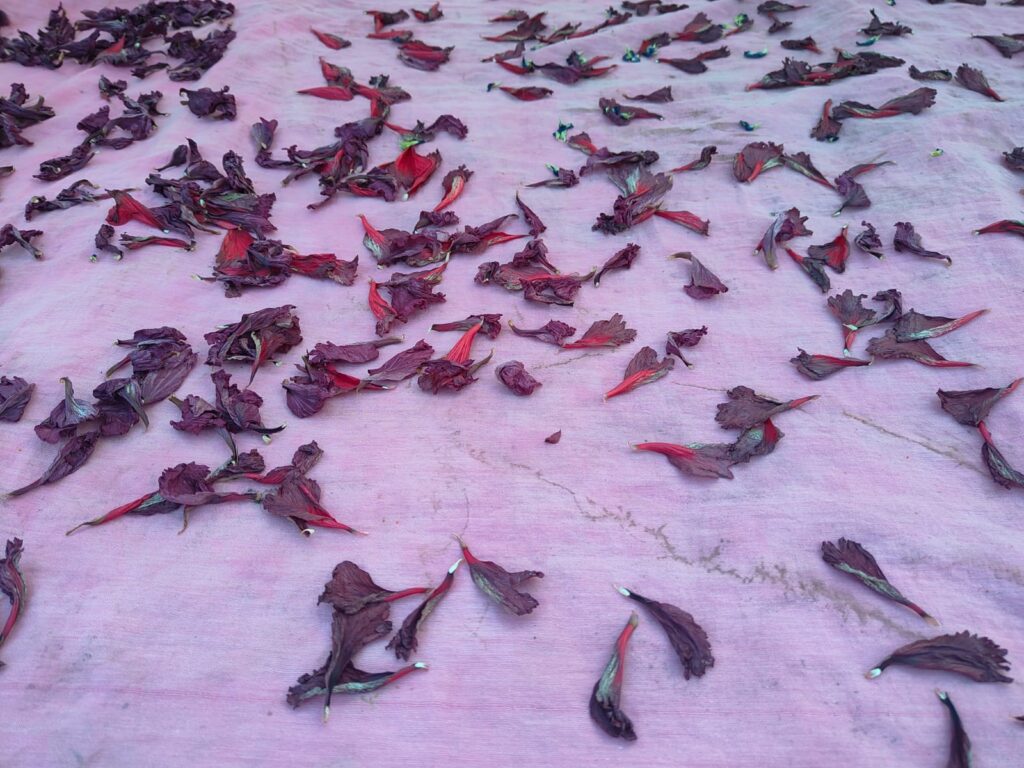
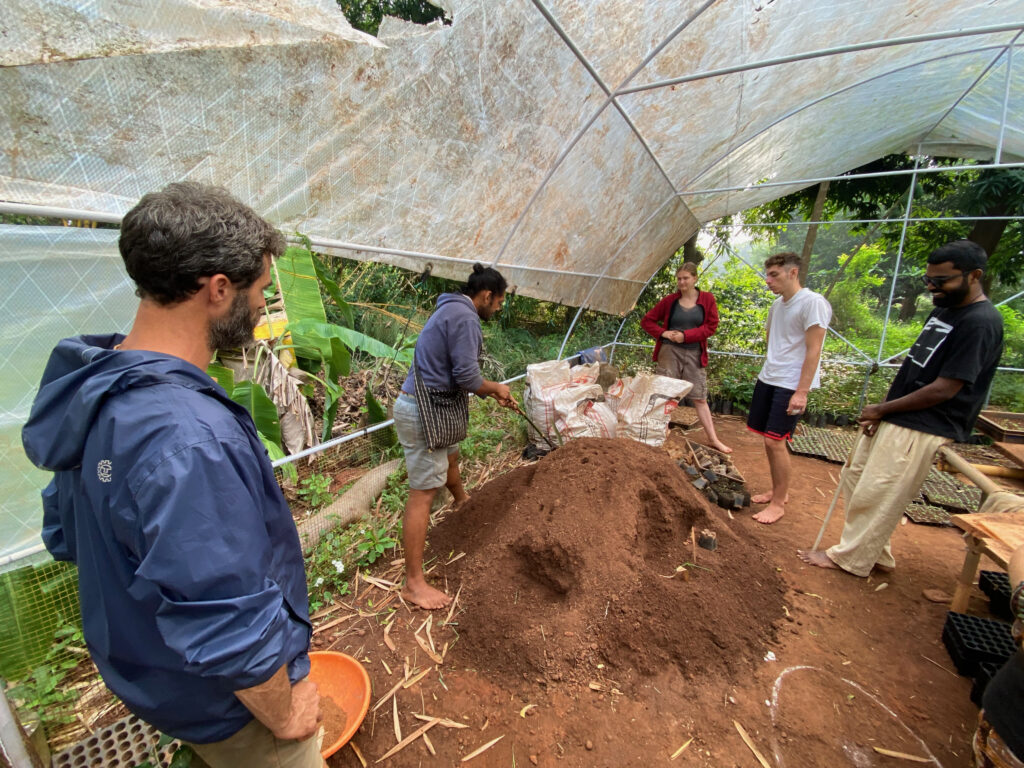
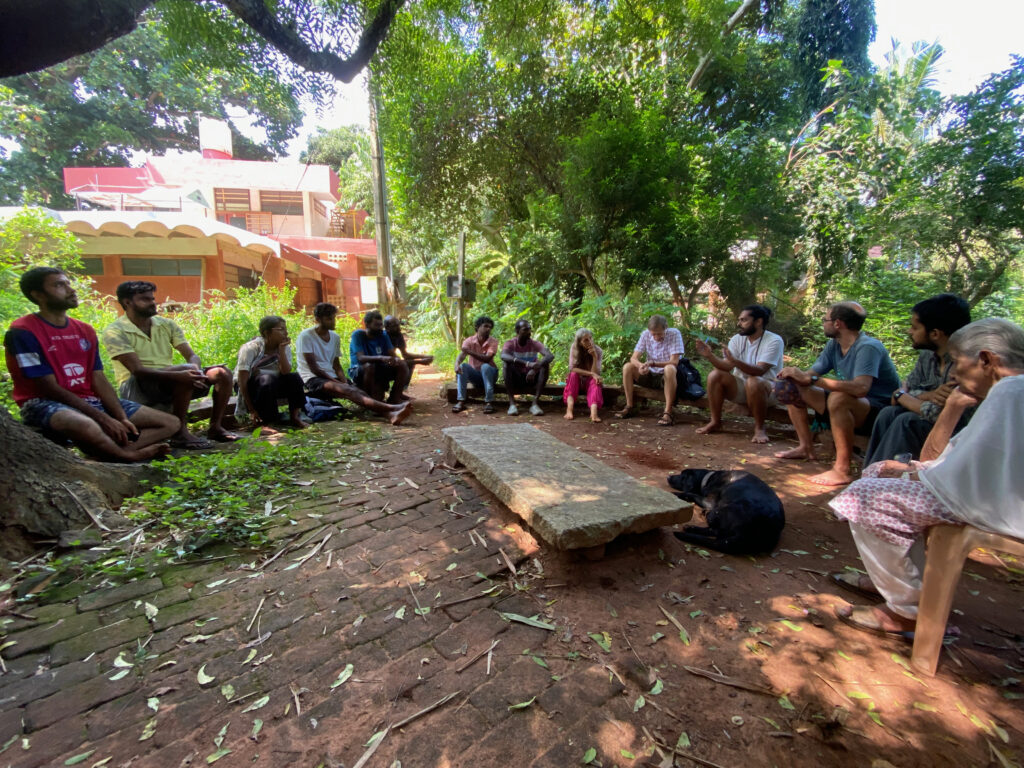
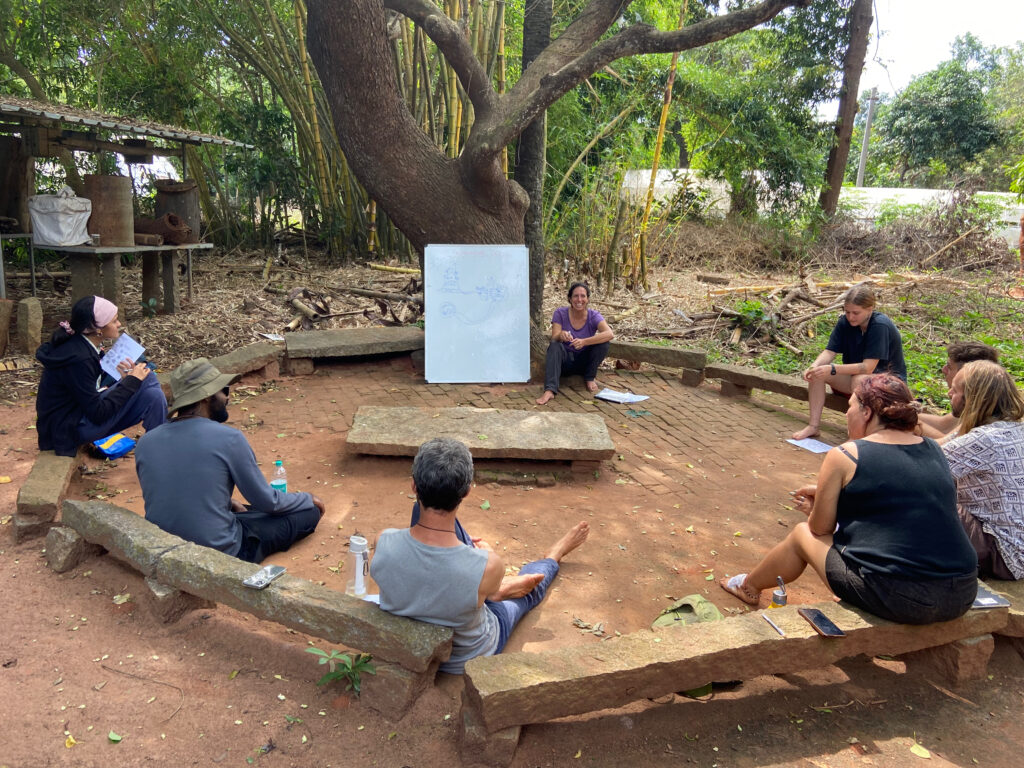
We organised all our research projects on our website and prepared a series of courses on vegetable gardening, orchards, animals, and integral food philosophy.
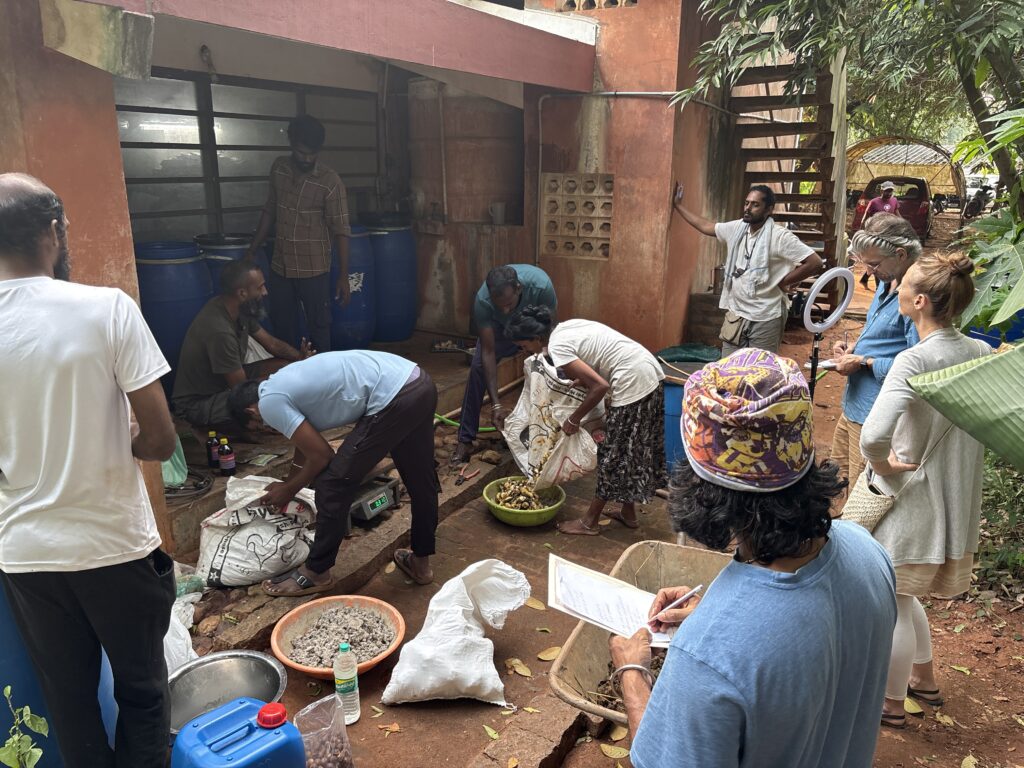
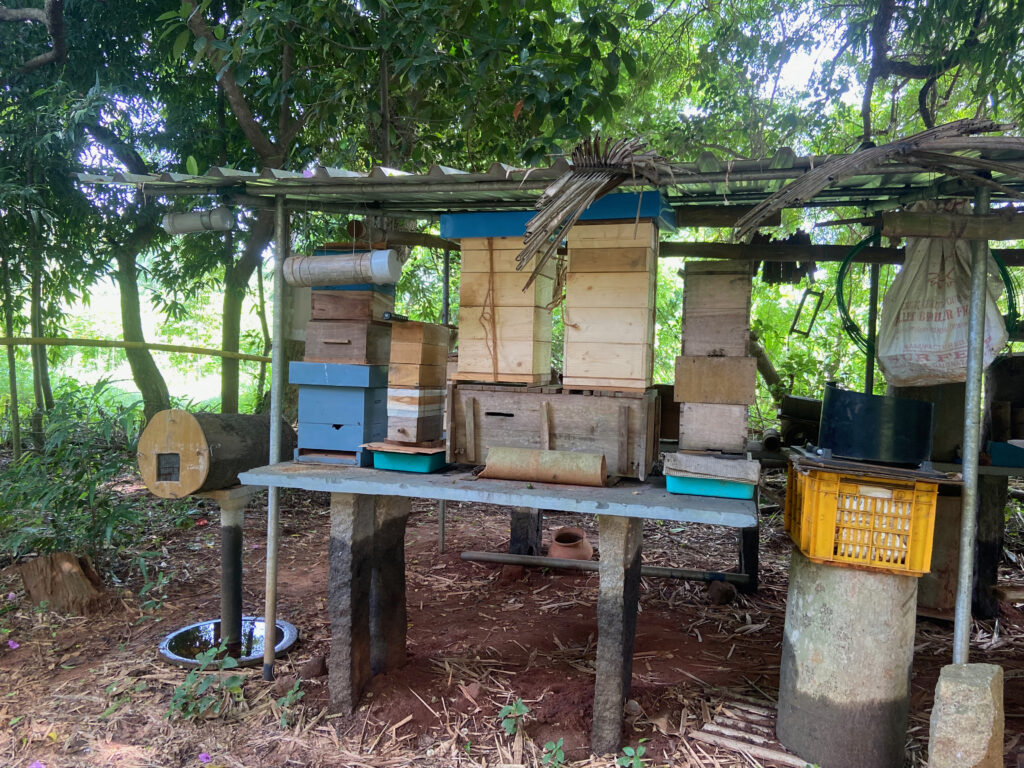
Research expanded across natural beekeeping (supported by a seed grant from SDZ, Netherlands), aquaponics, technology integration for irrigation, biofermentation for soil and plant applications, species identification of fruits, and production-data analysis. Most importantly, we continue to deepen our work on natural beekeeping, hive multiplication, and exploring medicinal stingless-bee honey.
Join our newsletter for exclusive updates!
AuroOrchard is certified organic by the Tamil Nadu Organic Certification (ORG/SC/1906/001683) Department accredited by APEDA (Agricultural and Processed Food Products Exports Development Authority), New Delhi, Ministry of Commerce and Industry, Government of India.
AuroOrchard Poultry is recognised under the Certified Humane Program, a globally recognised, independent, international auditing body dedicated to creating a more humane world for farm animals.