AuroOrchard soil is red sandy loam with very low baseline organic carbon (~0.2%). Whatever organic matter we add decomposes rapidly under heat, termites, and rain. Unless we keep feeding the soil, the carbon disappears. This challenge is not only ecological but also practical. Raised beds, which we also practice, protect soils well — but they demand immense labour to establish and maintain. With today’s scarcity of farm workers, scaling raised beds across large areas is difficult.
AuroOrchard soil is red sandy loam with very low baseline organic carbon (~0.2%). Whatever organic matter we add decomposes rapidly under heat, termites, and rain. Unless we keep feeding the soil, the carbon disappears. This challenge is not only ecological but also practical. Raised beds, which we also practice, protect soils well — but they demand immense labour to establish and maintain. With today’s scarcity of farm workers, scaling raised beds across large areas is difficult.
In 2022, we came across the work of American agronomist Edward H. Faulkner, who advocated for shallow soil disturbance with a tractorised disc harrow. This paper describes our trials with this approach.
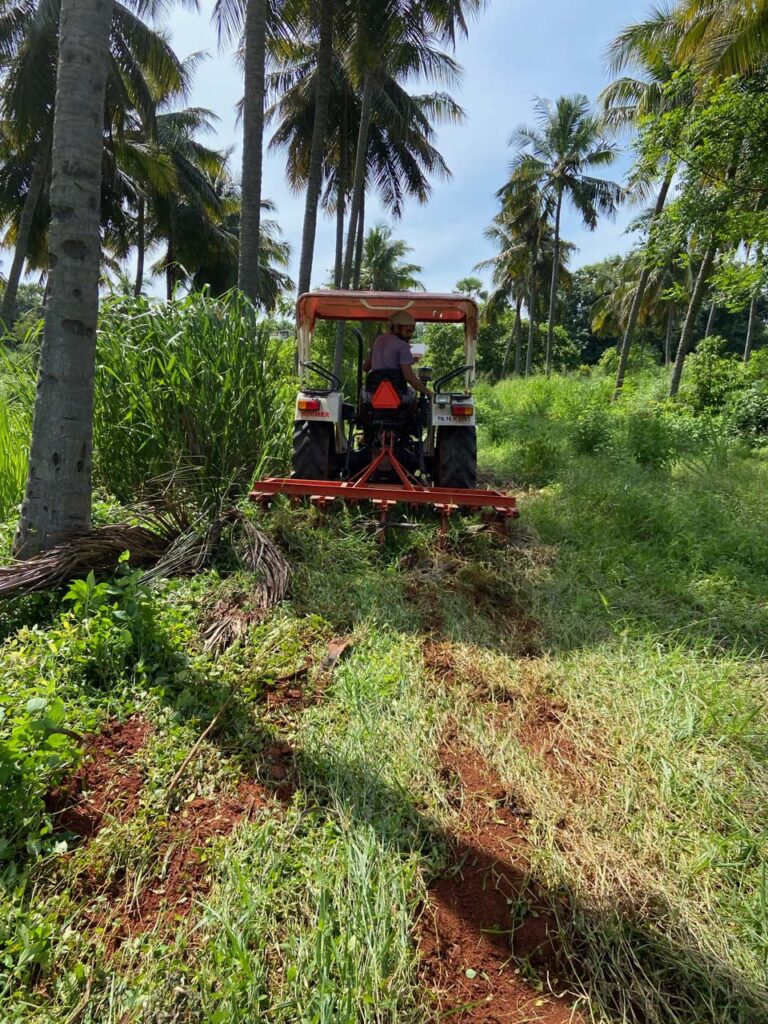
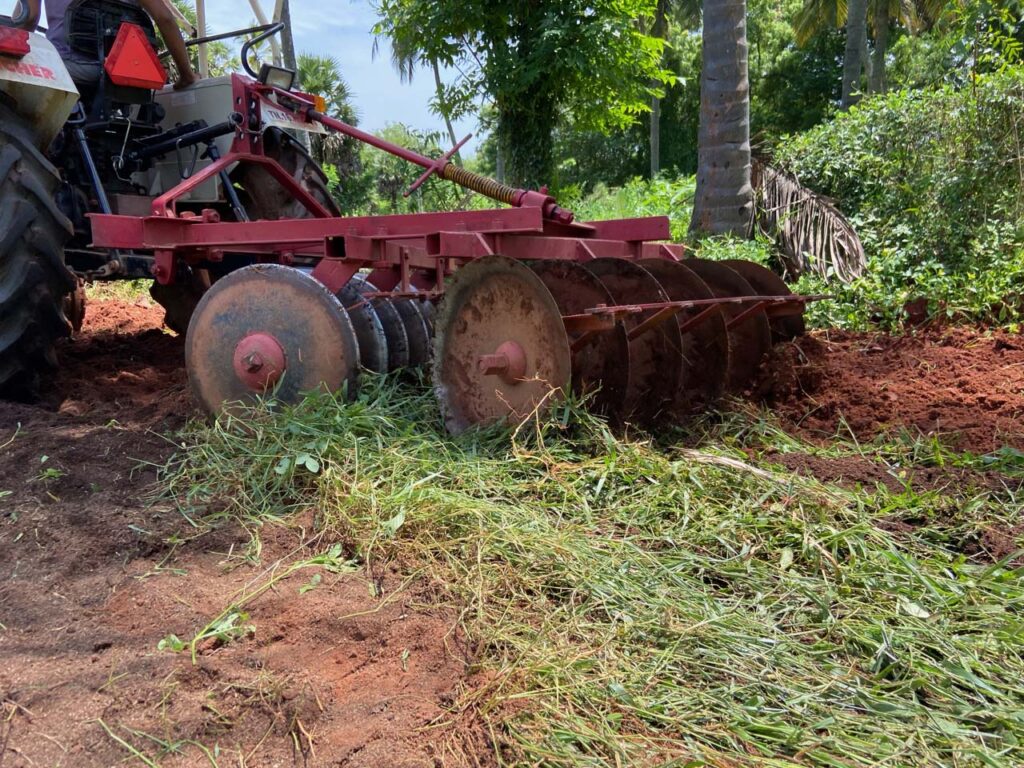
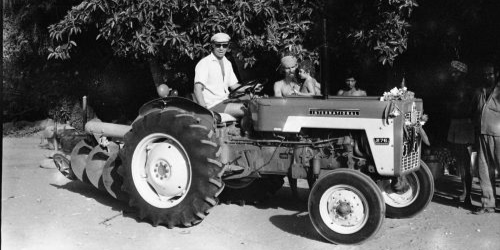
Mechanisation in Indian farming is often debated in absolutes: either as the culprit of soil degradation or as the saviour of productivity. On the one hand, mechanisation is unavoidable. With rural labour scarce and costly, even small farms depend on machines. On the other hand, not all mechanisation is equal. Large rototillers dig deep, pulverise soils, and burn fuel. They are unsuited to fragile sandy soils where organic matter is easily oxidised and lost. Our guiding question was whether we could use the tractor differently, in a way that it helps build soil structure rather than breaking it.
Faulkner (1943) wrote in his Ploughman’s Folly: “No one has ever advanced a scientific reason for plowing… The sole reason for plowing is tradition.” Faulkner suggested that shallow stirring, not deep inversion, keeps soil fertile. And this is where the disc harrow comes into the picture. The disc harrow makes it possible to cut at 3–5 inches, slicing biomass without inverting the soil. The result is that the surface residues remain, decomposition is encouraged, and deeper horizons are undisturbed. The outcome is dramatically different from that of a roto-tiller, which has become ubiquitous now.
Globally, conservation agriculture promotes no-till, leaving soils undisturbed and residues on the surface. While effective in temperate soils, its results are mixed in sandy tropical contexts. Meta-analyses (Ogle et al., 2019) and sandy-soil trials (Wang et al., 2025) show that no-till does not automatically raise soil carbon in these contexts unless there is abundant residue input. Residues on the surface often decompose or disappear too quickly, leaving little trace for the following crop. Brazilian research confirms that in sandy soils, no-till only works when combined with continuous cover cropping to sustain organic inputs (Silva et al., 2024).
Our practice of shallow disc-harrowing is not a rejection of no-till. We disturb only the top 5 inches, just enough to fold residues into the biologically active layer, while still protecting deeper horizons. In other words, we are guided by the same principle—minimise disturbance while maximising residue cover—but adapt it to the faster carbon cycle of sandy tropical soils.
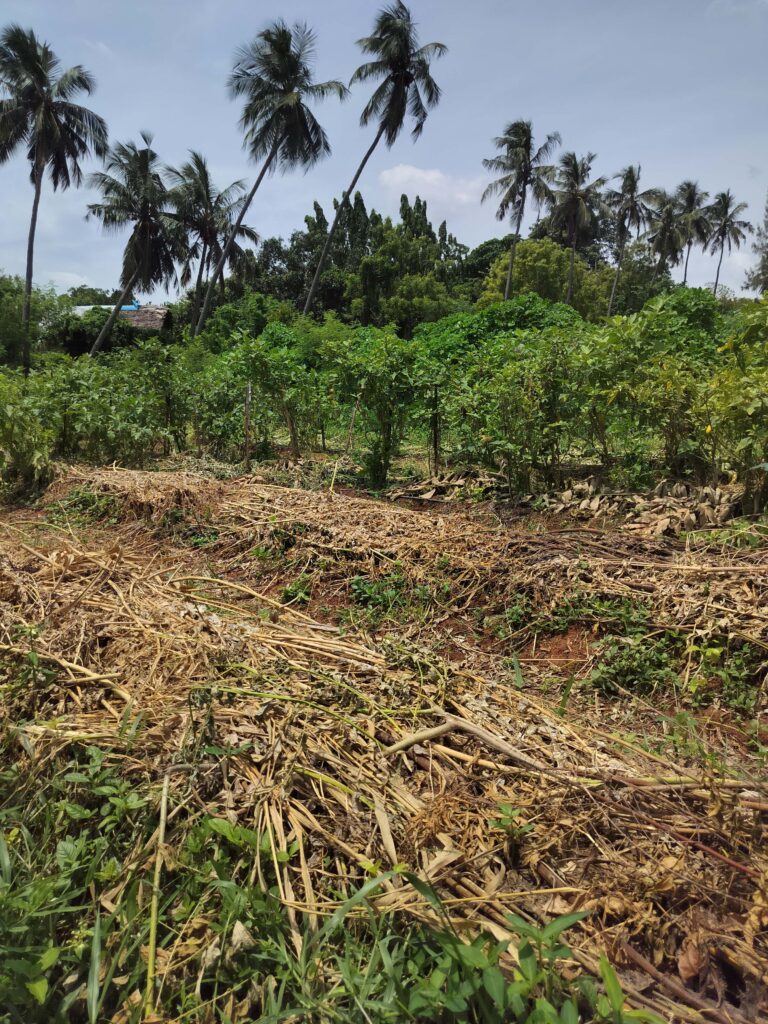
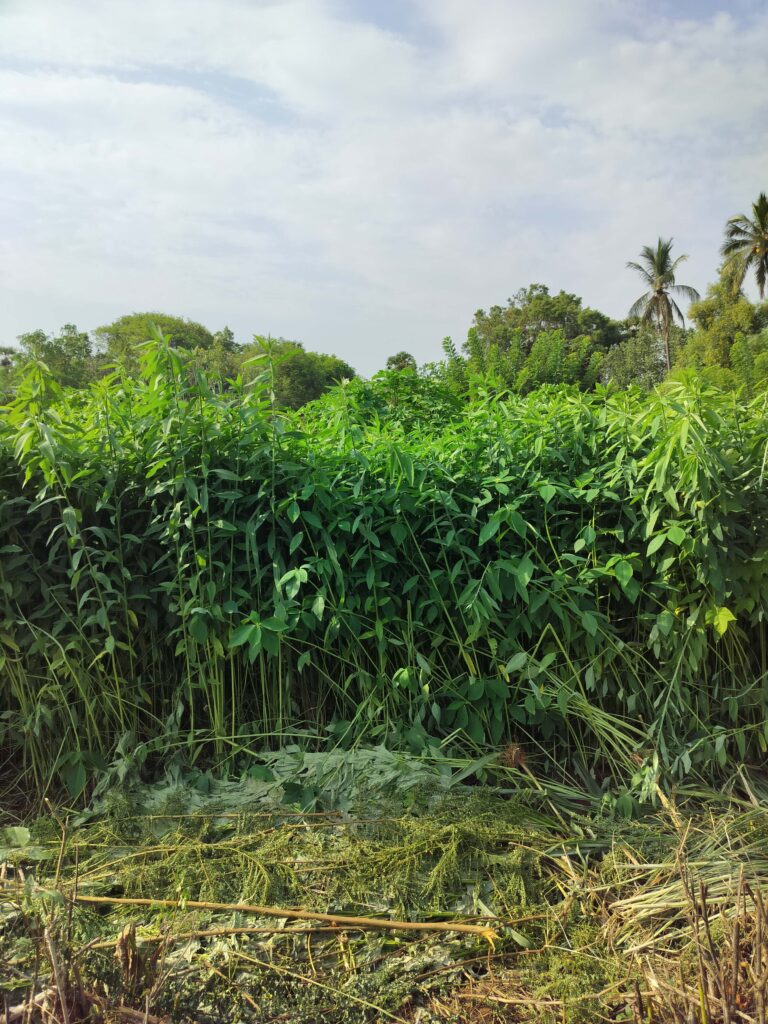
We paired the disc harrow with cultivating cover crops — Sunnhemp (Crotalaria juncea) and Cowpea (Vigna unguiculata) and developed two methods:
Both methods reduced weeds, conserved moisture, and returned organic matter to the soil.
Studies confirm that tropical soils, especially sandy ones, lose organic matter quickly. Adekiya et al. (2023) have concluded in their research that: “tropical soils are characterized by rapid decomposition of organic matter, leading to relatively low levels of soil organic carbon.” Our shallow disc harrow practice seems to strike a balance: speeding up decomposition enough to feed the soil, while avoiding deep inversion that accelerates carbon loss.
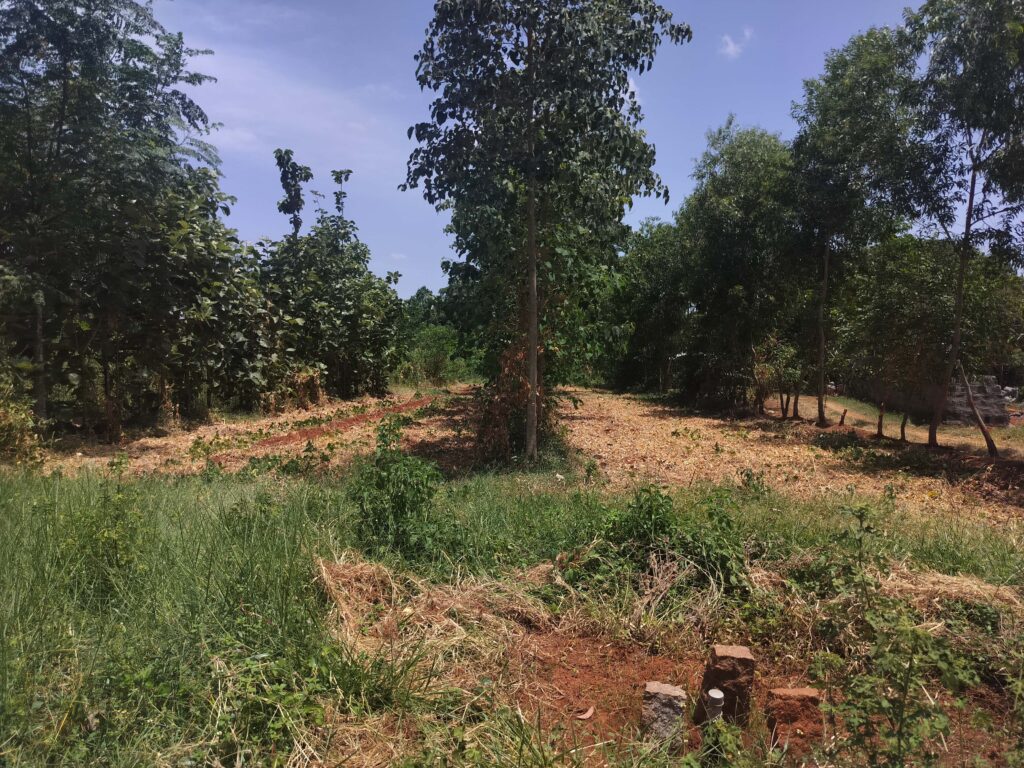
We tested this approach on a 0.5 acre field which had not been cultivated for over three years. It was full of wild grasses and cows would frequent it for grazing. We grew two cycles of biomass-one legume and one cereal and incorporated them in the soil with shallow discing. This entire process took about six months. We harvested 4 tonnes of sweet potato from this field after five months of planting. Local averages are about 5–6 tonnes per acre, so our yield was significantly higher per unit area. Of course, yields depend on many factors, but this result raised the possibility that shallow incorporation can improve both fertility and productivity. Research from northeast Thailand shows that even a 1 g/kg increase in SOC can boost yields by ~300 kg/ha in rice (Arunrat et al., 2020). While soils and crops differ, the principle is the same: small gains in SOC can translate into meaningful yield improvements in sandy soils.
The most surprising allies were termites. After surface ploughing, termite galleries appeared quickly, pulling residues into the soil. Within weeks, what looked like rough mulch became humus. Earthworms followed, leaving casts across the field.
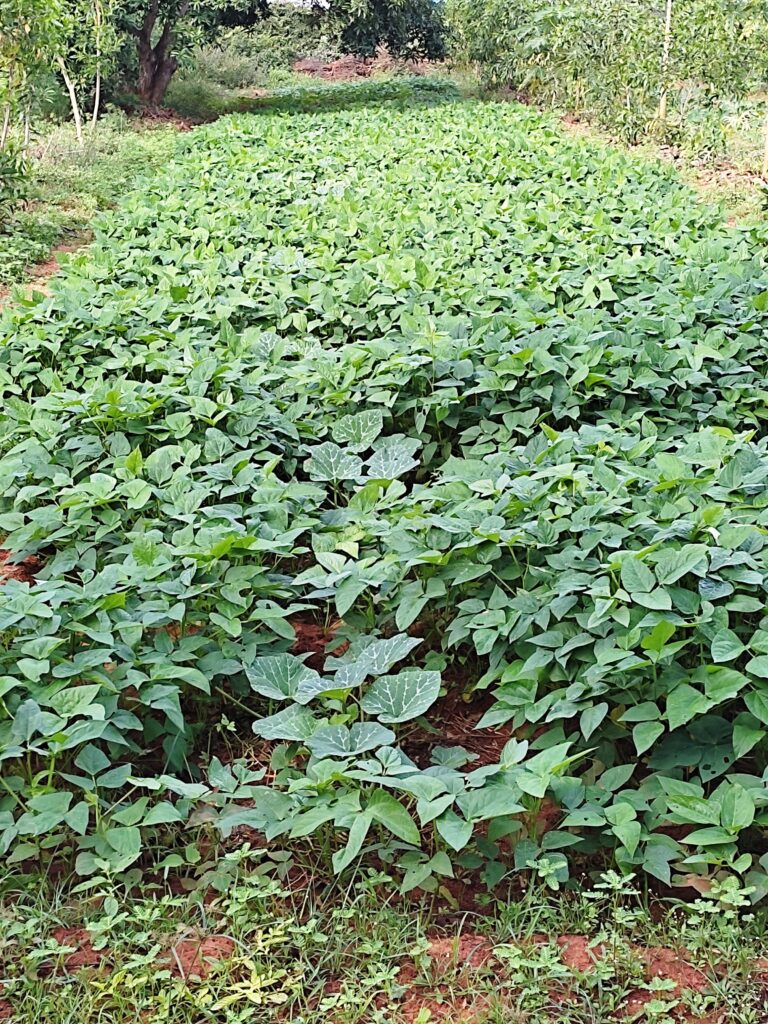
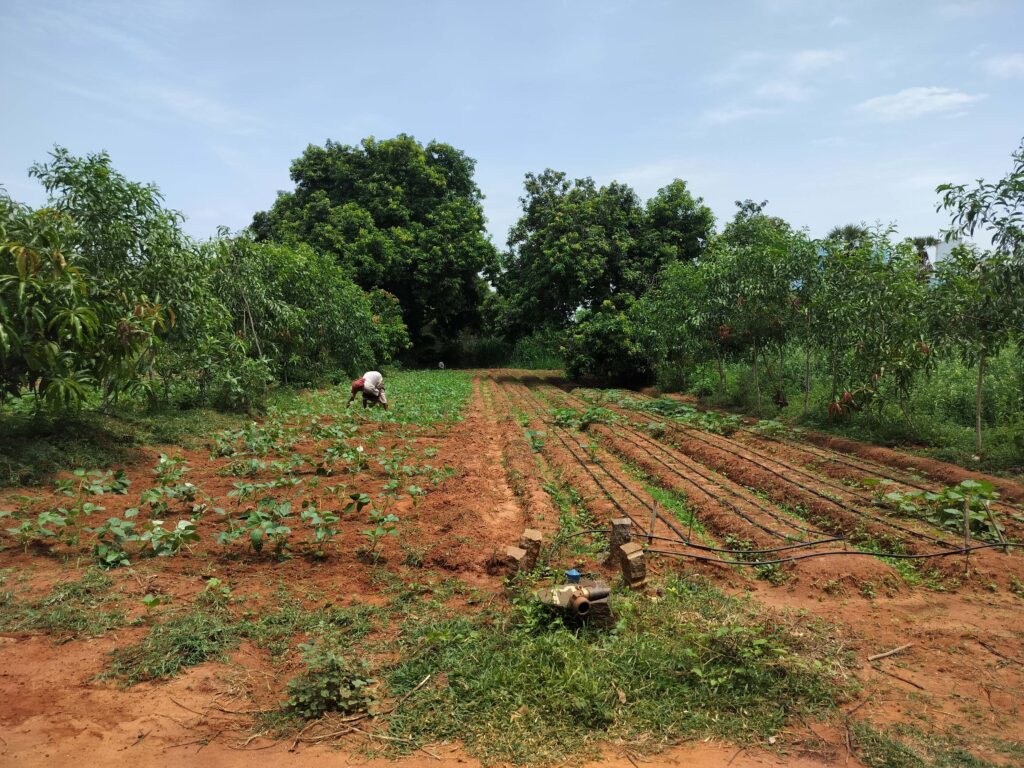
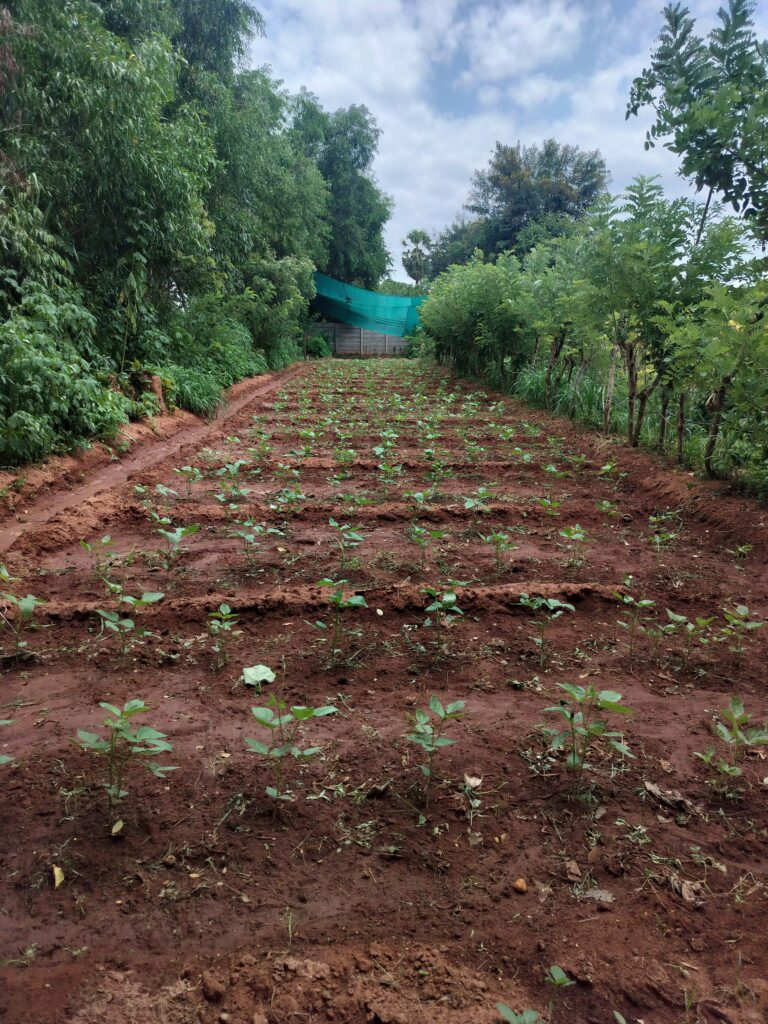
We also maintain over fifty raised beds (30 sq. m. each) managed under no-till. These systems protect organic matter well, but they require a lot of human labour to maintain, especially for weeding. With today’s scarcity of farm workers, scaling raised beds to larger areas is difficult. This work is physically demanding, and we observe less willingness among workers to engage in daily weeding. Also, preparing beds, handling biomass, and maintaining fields are a major part of our expenses (about 70%). For example, preparing a quarter acre of raised beds for planting would require roughly 40-50 labour days. This drops to around 20 labour days if we use a disc harrow, which prepares the soil by incorporating the weeds into it, and the only manual work remaining is shaping the soil.
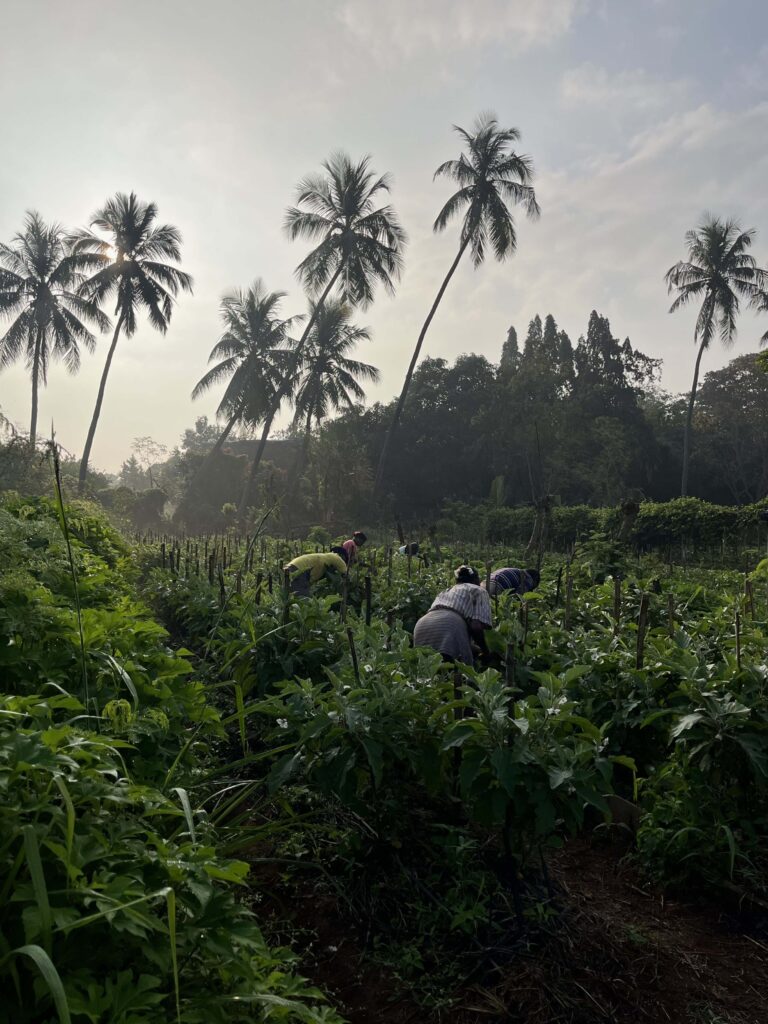
Mechanisation also changes who can farm. In the absence of men, women carry much of the responsibility for agriculture in Tamil Nadu. Manual digging, weeding, and mulching are physically demanding and often limit how much land women can manage. Shallow mechanisation reduces this burden, making ecological farming more accessible. At the same time, younger people, often more comfortable with technology, are more willing to engage with farming when machines are involved. Tractors, digital platforms, and shared equipment can open a sense that farming is not only back-breaking labour but also an evolving, skilled profession.
Mechanisation also raises the question of energy and we cannot ignore the carbon consumption and emission of tractors. However, shallow harrowing with a disc harrow consumes less fuel than deep ploughing or rototilling, and reduces the number of passes required.
In our case, the trade-off feels pragmatic: a small amount of fuel is exchanged for saving labour, conserving soil organic matter, and enabling cover crops to be integrated at scale. Could future versions of such mechanisation be powered by renewables, such as solar? This seems possible if affordable technology becomes accessible to farmers.
A question we often face is: why not return to bullocks? Draught animals have clear ecological advantages: renewable energy, manure production, lighter footprint. Studies in India highlight both their continued relevance and their constraints. Today the knowledge and willingness to keep bullocks are rare, and bullock ploughs often invert soil more deeply than our shallow passes. We see shallow mechanisation as a transitional practice that keeps farming viable on sandy soils while reducing drudgery. The deeper question remains: what scale of energy—animal, machine, or hybrid—can make farming both ecologically and socially sustainable?
Our observations are still short-term. While the sweet potato field and cover crop trials are encouraging, the longer-term question remains: will shallow incorporation keep organic carbon stable over 5–10 years, or will losses eventually catch up? One pathway could be adding more stable carbon forms such as biochar. Another idea could be to alternate raised bed cultivation with ploughing, each for a few years on a given field. For the moment, we would like to continue our observations for a few more years and see how soil quality and productivity evolve.
From an integral point of view, mechanisation is not only a technical or economic matter. It touches ecological processes (how we manage carbon in sandy soils), social realities (who is left to farm, under what conditions), cultural transitions (the fading memory of bullock farming, the arrival of youth with digital tools), and economic pressures (labour as the largest cost in food production).
Rather than choosing between “no machines” or “full industrialisation,” we can ask how machines might be woven into this web in a way that supports soils, empowers farmers, and keeps alive the possibility of community-scale farming. This represents the integration of the mental plane with the physical and the vital, moving towards the spiritual, where we learn to use machines not as technologies of dominance and control, rather to support our actions in service to the land and the community.
Adekiya, A. O., Alori, E. T., Ogunbode, T. O., Sangoyomi, T., & Oriade, O. A. (2023). Enhancing organic carbon content in tropical soils: strategies for sustainable agriculture and climate change mitigation. The Open Agriculture Journal, 17(1).
Arunrat, N., Kongsurakan, P., Sereenonchai, S., & Hatano, R. (2020). Soil organic carbon in sandy paddy fields of northeast Thailand: A review. Agronomy, 10(8), 1061. https://doi.org/10.3390/agronomy10081061
Faulkner, E. H. (1943). Ploughman’s folly. University of Oklahoma Press.
Ogle, S. M., Alsaker, C., Baldock, J., Bernoux, M., Breidt, F. J., McConkey, B., … & Williams, S. (2019). Climate and soil characteristics determine where no-till management can increase soil organic carbon stocks. Global Change Biology, 25(9), 2779–2794. https://doi.org/10.1111/gcb.14746
Silva, R. B., dos Santos, G. G., dos Anjos, L. H. C., & Oliveira, L. B. (2024). Cover crops influence the physical hydric quality of sandy soils under no-tillage systems in Brazil. Revista Brasileira de Ciência do Solo, 48, e0230189. https://doi.org/10.36783/18069657rbcs20230189
Wang, C., Xu, Y., Zhang, Y., Zhang, X., & Zhou, H. (2025). No-tillage practice enhances soil total carbon content in a sandy Cyperus esculentus L. field. Ecological Processes, 14(1), 5. https://doi.org/10.1186/s13717-024-00573-x
Join our newsletter for exclusive updates!
AuroOrchard is certified organic by the Tamil Nadu Organic Certification (ORG/SC/1906/001683) Department accredited by APEDA (Agricultural and Processed Food Products Exports Development Authority), New Delhi, Ministry of Commerce and Industry, Government of India.
AuroOrchard Poultry is recognised under the Certified Humane Program, a globally recognised, independent, international auditing body dedicated to creating a more humane world for farm animals.