Now that we did our detox to rebalance Pitta and its elements fire and water in the past weeks, we are ready to assist the body to receive in the best way possible this new season.
During monsoon, the climate is cold and humid, rains and little sunlight increase drastically the moisture in the air and on the ground, leading to a more acidic environment, and the sour taste prevails. The body struggles to keep warm and dry, and the digestive capacity reduces. In this excess of humidity: VATA feels cold and gives joint pain, PITTA ferments and bloats, and KAPHA retains water and slows down.
Monsoon is the special season to take care of Vata and expel its toxins: the body feels more stiffness, flatulence, coldness, pain in the joints; the mind might be scattered or with a lack of concentration and the heart feels anxiety, anguish, fear, dismay, confusion or doubts. All these are a result of a low digestive fire affecting every plane. So we slow down and take care of AGNI – our digestive power
Ayurvedic formulas to take after meals: Panchakola, Trikatu, Hingwashtak churna in a sip of warm water with honey
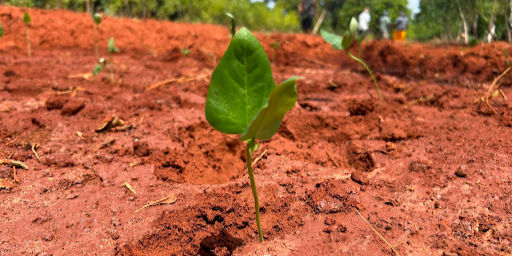
The practical sessions included working with beds, irrigation and plants. They gave us opportunities to relate the discussions to particular tasks: checking moisture, observing how water moves, looking at plant growth and deciding what attention was needed. We also explored soil care and composting, including the use of mulch, the return of organic matter and ways to avoid compaction. In discussing compost, we looked at how different materials, moisture and air contribute to decomposition, and what we need to pay attention to when managing a pile. Moving between discussion and work was useful. An explanation could give us a starting point, but applying it brought further questions. How wet is the soil below the surface? Is water reaching the roots? What are we noticing about a plant, and what might we need to observe for longer before acting?
Anything that overstimulates the nervous system (linked to Vata) or bring coldness to the body:
Enjoy the rain and stay warm and cosy
Be @ Sante Clinic
Join our newsletter for exclusive updates!
AuroOrchard is certified organic by the Tamil Nadu Organic Certification (ORG/SC/1906/001683) Department accredited by APEDA (Agricultural and Processed Food Products Exports Development Authority), New Delhi, Ministry of Commerce and Industry, Government of India.
AuroOrchard Poultry is recognised under the Certified Humane Program, a globally recognised, independent, international auditing body dedicated to creating a more humane world for farm animals.