Salt: How a Tiny Crystal Took Over Our Meals
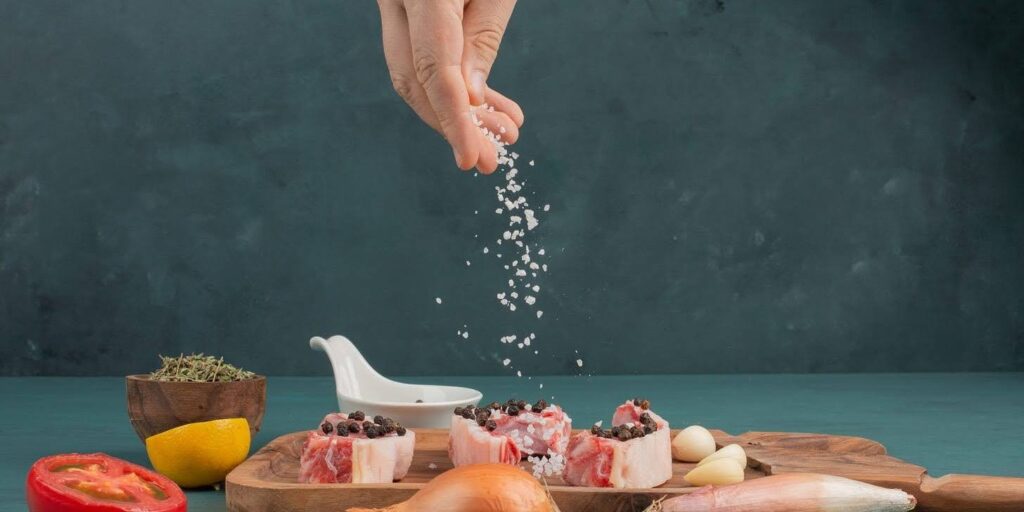
Have you ever wondered what foods you could actually eat without salt? How did this tiny crystal become such a central part of our meals? Home » Blog » Salt: How a Tiny Crystal Took Over Our Meals Salt: How a Tiny Crystal Took Over Our Meals April 2026 · Charan GP Have you ever wondered what foods you could actually eat without salt? How did this tiny crystal become such a central part of our meals? Over time, salt found its way into our kitchens and food outlets, quietly becoming an assumed necessity in many meals. We often think it is essential to our health, yet its presence is so familiar that few of us pause to question it. I have been salt-free for nearly four years, and during this time, my blood markers have consistently remained normal, without any sodium deficiency. My body naturally gets the sodium it requires from fruits and raw foods, without any added salt. Salt in History Salt has been valued by humans for thousands of years. Archaeological evidence shows that humans were mining and using salt at least 8,000 years ago during the early days of agriculture. As people began storing and preserving surplus crops and meat, salt became essential for preventing spoilage. It allowed food to survive long journeys, harsh seasons, and trade routes. This gave salt enormous economic and strategic value. Roman soldiers were sometimes paid in salt, giving rise to the word salary. Centuries later, salt became a symbol of control and resistance, most famously during Gandhi’s Salt March. Salt became deeply embedded in human culture because of food preservation, trade, and survival needs. In modern times, refrigeration and storage have replaced that role, but salt remains central to our meals, largely due to habit, taste, and the subtle addiction it creates. Humans and Salt: A Unique Relationship No other species seasons its food. Animals eat what nature provides, obtaining minerals naturally from plants, water, and soil. Humans are the only species that isolates, refines, and adds salt back into their meals. Salt stimulates appetite, encourages us to eat more than the body actually needs, and subtly keeps us returning to it meal after meal. My Experience Without Salt When I shifted fully into eating raw foods, my meals became simple: fruits in the morning, fruits in the evening, and salad in the afternoon. I never felt the need to add salt. Salt naturally left my diet without effort. In fruits, I simply did not add any. In salads, I knew that adding salt would draw out the liquid, so it was unnecessary. Over time, salt quietly lost its place. Today, I cannot eat food with added salt; it overwhelms my taste buds. Without salt, I can fully taste the vegetables, fruits, and raw foods I eat. Food that once felt bland now feels complete. Sodium and Salt: A Medical Perspective People consume salt mainly to provide sodium chloride, which is necessary in small amounts for nerve function, fluid balance, and other physiological processes. However, the sodium the body requires is already naturally present in whole foods, such as fruits, vegetables, and leafy greens, without needing added table salt. Recommended Limits versus Reality Health guidelines suggest no more than 5 grams of salt per day, roughly one flat teaspoon, including all sources. This is the combined amount from cooking, snacks, and processed foods. In reality, most people consume far more: Cheese: one-third to one-half teaspoon per two slices Packaged snacks or chips: half a teaspoon or more One restaurant meal: one to two teaspoons or more Salt inside the body pulls water toward itself. The body responds by holding extra water to dilute it. Over time, this water retention can strain arteries, thicken the blood, and burden the kidneys and heart. Salt preserves food, and inside the body, it acts in much the same way: storing water, affecting circulation, and stimulating appetite. Observing Salt Intake My invitation is simply to notice the amount of salt being taken in during a day. This includes not only what is added to food but also the salt already present in packaged foods, snacks, and meals prepared by others. It is also interesting to see what foods can be eaten without salt, quietly observing and exploring. Previous ArticleNext Article Featured Articles Monthly Updatesㅤㅤㅤㅤㅤㅤㅤㅤ 29 Apr 2026 Sweet Potato & Pumpkin Gnocchi with Basil Pesto 28 Apr 2026 Salt: How a Tiny Crystal Took Over Our Meals 28 Apr 2026 The Six Seasons of Aurovilleㅤㅤㅤㅤ 28 Apr 2026
Abundance Product of the Month

Have you tried our authentic sun-cured lemons preserved with Himalayan salt yet? They are bursting with flavours of lemons and are free from preservatives. Add them to your salads or curries to add a tangy depth. Home » Blog » Abundance Product of the Month Abundance Product of the Month December 2025 · AuroOrchard Salted & Sun-cured Lemon Have you tried our authentic sun-cured lemons preserved with Himalayan salt yet? They are bursting with flavours of lemons and are free from preservatives. Add them to your salads or curries to add a tangy depth. Order Here October 2025 Turmeric Flakes Our Turmeric roots have been sun-dried and turned into flakes that can be easily infused in some hot honey & lemon tea for the changing weather with a pinch of black pepper. Order Here September 2025 This cold pressed Coconut Oil has been made from coconuts picked from our Coconut poly-orchard with raised beds of bananas and several other plants to support the fertility of this orchard. With no preservatives added to this oil, it is a healthier alternative to the standard coconut oil available in the market. Order Here August 2025 Basil-Pesto Cashew Product Description: This pesto is rich with AuroOrchard Cashew and Basil both of which we have in abundance at the moment. We use very little oil (one-third) necessary for blending and preventing oxidation. Order Here June 01, 2025 · Anshul Aggarwal Over the last months, we have processed our fresh produce which is in abundance into a variety of products that are available directly from the farm. We hope to slowly expand this activity into a more consistent and significant part of the farm. As the consumption of Auroville produce continues to drop, we feel this is one way we can still offer Auroville grown produce to people within and outside of Auroville. Order Here Previous Article Featured Articles Abundance Product of the Month 05 Dec 2025 Monthly Updatesㅤㅤㅤㅤㅤㅤㅤㅤ 28 Nov 2025 Glimpses of a solar futureㅤㅤㅤㅤ 05 Dec 2025 Flow of fire and water on the farmㅤㅤ 03 Dec 2025
The Flying Houseㅤㅤㅤㅤㅤㅤㅤㅤㅤㅤㅤ
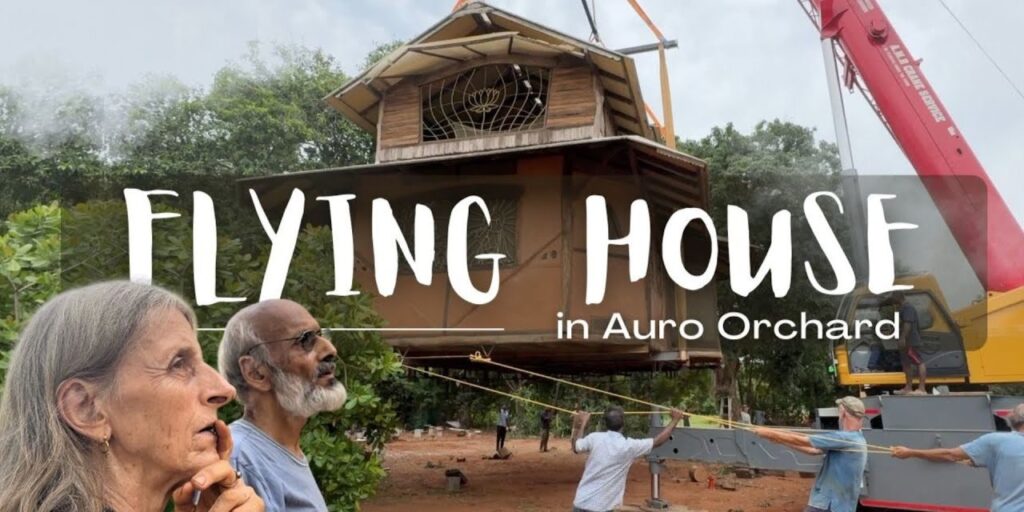
Here we are sharing a ’story within the story’, of the house of two Aurovilians that was discovered to be ‘on the wrong side’ of the new boundary, and was saved and air-lifted thanks to the efforts of a whole community that came together in solidarity. Watch the adventure of Auro Orchard’s Flying House’ in its epic journey of … 35 metres, back onto the soil of Auroville! Home » Blog » The Flying House The Flying House November 2025 · Jasmin Maheshwari https://www.youtube.com/watch?v=Hqe1SwP3qJA Auro Orchard has survived the loss of more than a third of its land and vital infrastructure in the ‘land exchanges’ two years ago. How the farm recovered and today has started to shine with new light, is a story of resilience and grace that is yet to be told. Here we are sharing a ’story within the story’, of the house of two Aurovilians that was discovered to be ‘on the wrong side’ of the new boundary, and was saved and air-lifted thanks to the efforts of a whole community that came together in solidarity. Watch the adventure of Auro Orchard’s Flying House’ in its epic journey of … 35 metres, back onto the soil of Auroville! Previous ArticleNext Article Featured Articles Abundance Product of the Month 22 Oct 2025 Monthly Updatesㅤㅤㅤㅤㅤㅤㅤㅤ 22 Oct 2025 Recipe Alert!ㅤㅤㅤㅤㅤㅤㅤㅤㅤㅤㅤ 01 Dec 2025 The Flying Houseㅤㅤㅤㅤㅤㅤㅤㅤㅤㅤㅤ 01 Dec 2025
Discovering the Golden Eggfruit…
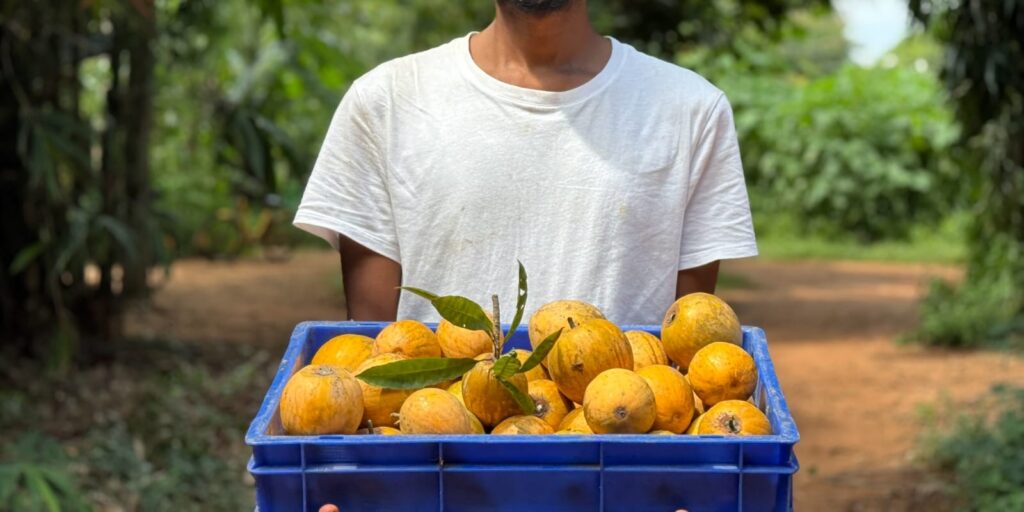
Over the last few weeks at Auro Orchard, I’ve been spending most of my days around the fruit trees, observing, tasting, and doing small bits of research on the fruits growing here. Since I mostly eat fruits throughout the day, this kind of work feels very natural to me it’s both nourishment and exploration at the same time. During these walks, I came across our eggfruit trees, and noticing the bright yellow fruits hanging from the branches felt almost like spotting little suns tucked among the leaves. Harvesting them was a fun experience on its own, and a couple of ripe ones had even fallen perfectly to the ground, soft and ready to eat. The moment I opened one, the texture really stood out: dense, creamy, and yolk-like, almost like scooping out a rich egg yolk but in a sweet, custardy form. The flavor is unlike any other fruit I’ve tried, intensely sweet and extremely satisfying, the kind of fruit you can have only half or one at a time because it fills you up so quickly. Home » Blog » Discovering the Golden Eggfruit: A Sweet Journey at AuroOrchard Discovering the Golden Eggfruit: A Sweet Journey at AuroOrchard November 2025 · Charan Over the last few weeks at Auro Orchard, I’ve been spending most of my days around the fruit trees, observing, tasting, and doing small bits of research on the fruits growing here. Since I mostly eat fruits throughout the day, this kind of work feels very natural to me it’s both nourishment and exploration at the same time. During these walks, I came across our eggfruit trees, and noticing the bright yellow fruits hanging from the branches felt almost like spotting little suns tucked among the leaves. Harvesting them was a fun experience on its own, and a couple of ripe ones had even fallen perfectly to the ground, soft and ready to eat. The moment I opened one, the texture really stood out: dense, creamy, and yolk-like, almost like scooping out a rich egg yolk but in a sweet, custardy form. The flavor is unlike any other fruit I’ve tried, intensely sweet and extremely satisfying, the kind of fruit you can have only half or one at a time because it fills you up so quickly. Eggfruit, also known as canistel, originally comes from Mexico and Central America and later spread to countries in the Caribbean and other tropical regions. Even though it has been around for centuries, it’s still not widely known in India. The tree itself is slow to mature and typically takes around eight years before it begins to produce fruit, which makes the harvest feel even more meaningful. Here at the orchard, as we continue enjoying these unique fruits, we’re also exploring different ways to process them, especially turning them into ice creams and simple frozen desserts to see how their natural creaminess transforms when chilled. It’s been a lovely discovery and definitely one of the more fascinating fruits I’ve spent time with recently. Have you tasted this fruit before? We would love to hear your experience. Over the last few weeks at Auro Orchard, I’ve been spending most of my days around the fruit trees, observing, tasting, and doing small bits of research on the fruits growing here. Since I mostly eat fruits throughout the day, this kind of work feels very natural to me it’s both nourishment and exploration at the same time. During these walks, I came across our eggfruit trees, and noticing the bright yellow fruits hanging from the branches felt almost like spotting little suns tucked among the leaves. Harvesting them was a fun experience on its own, and a couple of ripe ones had even fallen perfectly to the ground, soft and ready to eat. The moment I opened one, the texture really stood out: dense, creamy, and yolk-like, almost like scooping out a rich egg yolk but in a sweet, custardy form. The flavor is unlike any other fruit I’ve tried, intensely sweet and extremely satisfying, the kind of fruit you can have only half or one at a time because it fills you up so quickly. Eggfruit, also known as canistel, originally comes from Mexico and Central America and later spread to countries in the Caribbean and other tropical regions. Even though it has been around for centuries, it’s still not widely known in India. The tree itself is slow to mature and typically takes around eight years before it begins to produce fruit, which makes the harvest feel even more meaningful. Here at the orchard, as we continue enjoying these unique fruits, we’re also exploring different ways to process them, especially turning them into ice creams and simple frozen desserts to see how their natural creaminess transforms when chilled. It’s been a lovely discovery and definitely one of the more fascinating fruits I’ve spent time with recently. Have you tasted this fruit before? We would love to hear your experience. Previous ArticleNext Article Featured Articles Abundance Product of the Month 22 Oct 2025 Monthly Updatesㅤㅤㅤㅤㅤㅤㅤㅤ 22 Oct 2025 The Unstructured Calling: Finding My Rhythmㅤㅤ 30 Nov 2025 Hands-On Approach 29 Nov 2025
The Unstructured Calling: Finding My Rhythmㅤㅤ
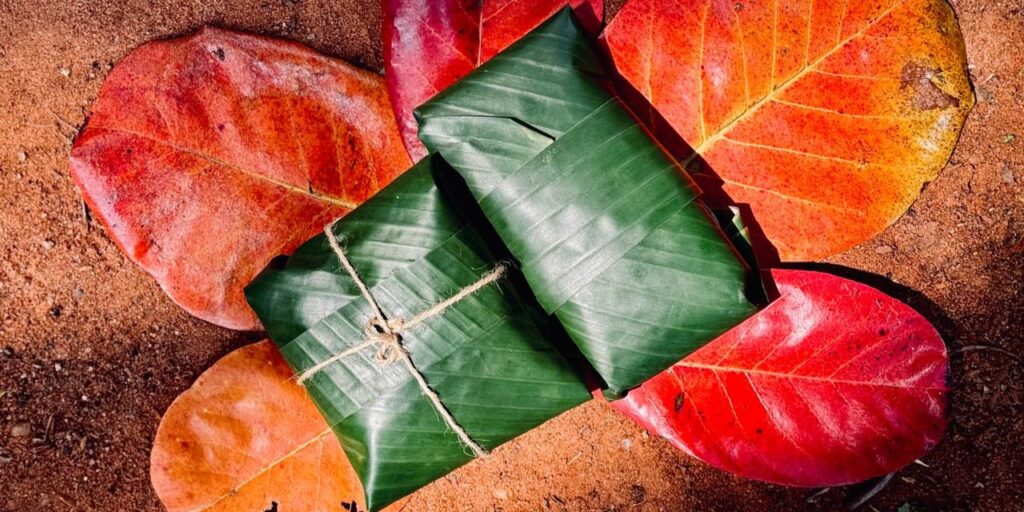
Five months ago, I dedicated myself to a period of deep self-experimentation focused on health. Having spent years consuming raw, plant-based foods, I already understood the immense power of food. Yet, the true revelation, refined after a year spent back in the accelerated pace and sterility of city life following my earlier farm volunteering experiences, was the profound importance of a daily, tangible reconnection with nature, the sun, and, crucially, the soil. That time away crystallized what was missing: the rich, microbial life of a natural farm/forest. Home » Blog » The Unstructured Calling: Finding My Rhythm and Resilience in AuroOrchard’s Soil The Unstructured Calling: Finding My Rhythm and Resilience in AuroOrchard’s Soil November 2025 · Astha Khandelwal Five months ago, I dedicated myself to a period of deep self-experimentation focused on health. Having spent years consuming raw, plant-based foods, I already understood the immense power of food. Yet, the true revelation, refined after a year spent back in the accelerated pace and sterility of city life following my earlier farm volunteering experiences, was the profound importance of a daily, tangible reconnection with nature, the sun, and, crucially, the soil. That time away crystallized what was missing: the rich, microbial life of a natural farm/forest. I wasn’t just looking for just physical work; my purpose was to reconnect with the land to enhance my personal growth. Having volunteered at farms with rigid schedules before, this time I sought something different: a place that would honor my slow pace and allow me to explore without a structured plan, enabling me to truly understand where I could contribute. That search led me, quite naturally, to AuroOrchard, the source of my weekly basket. When I shared my interests: working with the soil, embracing food, and developing recipes to preserve nutritional integrity. Anshul’s response was one of profound trust: “Just come to the farm and explore for a week. Engage in whatever you feel like.” That openness made me feel I had truly found my place. I began simply by observing the farm’s daily rhythm: the conversations, the mulching, the sowing, the weeding, and the processing. I was just watching, slowing down, capturing little observations, feeling that magnetic pull to return every morning. The Science of Feeling “Called” This daily, effortless call back to the earth aligns beautifully with the science of the Gut-Immune-Brain Axis. The sense of peace and belonging is not abstract; it’s rooted in measurable biological mechanisms. Working near and engaging with the soil exposes us to environmental microorganisms, notably the “feel-good” bacteria Mycobacterium vaccae. This exposure through inhalation of bioaerosols released during farming can stimulate serotonin production in the brain, inducing states of greater happiness and relaxation, and providing a powerful buffer against stress and anxiety. It is, in essence, the body’s co-evolved response to the presence of these “Old Friends” from the natural world, which our immune systems rely on for proper calibration and resilience. The Grounding Moment and the Salad’s Genesis I’ve spent my initial days just watching… observing the harvesting, mulching, and sowing. (Visit my Instagram profile @dhanyawadearth and check the ‘November Notes’ highlight to see all my observations so far) After a week of gentle observation, my role became concrete. I walked in one morning to find Anshul and Ruben discussing the launch of a new seasonal salad box. “Ruben ask her, she only eats salad” Anshul joked, Soon, I was tasked with walking the farm with Ruben, harvesting every edible green we could use for a sample salad. As we harvested together, Ruben mentioned, “Astha, thank you. I’ve been so occupied in kitchen experiments that I haven’t visited the farm, the soil in so long. It feels so good to be back.” That spontaneous moment was a powerful demonstration of Earthing or Grounding. The human body is electrically conductive, and direct physical contact with the Earth’s surface, like placing bare hands on the soil, allows it to absorb a continuous supply of free electrons. These electrons function as systemic antioxidants, neutralizing the unstable molecules that drive inflammation. The sense of relief and calm Ruben and I both felt was not just emotional; it was a physical electrical reset, reducing our inflammatory load and enhancing our overall well-being. This biophysical connection is a vital, yet often overlooked, part of preventative health. The Nutritional Mandate: Preserving Life Force The subsequent creation of the Farm Seasonal Salad box, which is now happily finding its way into weekly baskets, was guided by principles that bridge soil health and human physiology: Honoring the Seasonal Offering: We prioritize plants that grow robustly in their home climate. This practice ensures plants produce maximum secondary metabolites, yielding higher polyphenols and, consequently, superior antioxidant potential. This is the critical, indirect link to the human gut microbiome: plants grown in microbially rich soils yield nutrient-dense food which, when consumed, provides the best substrate for a diverse and healthy gut ecosystem. Maximizing Micronutrient Retention: We serve the produce raw because essential compounds like Vitamin C, folate, and many carotenoids are heat-labile. By offering a raw, same-day harvest, we ensure maximum micronutrient retention. Digestive & Antioxidant Support: Raw Papaya contains powerful proteolytic enzymes (papain and chymopapain) that assist protein breakdown and improve gut transit. The Chlorophyll in the greens, molecularly similar to hemoglobin, is studied for its ability to support hemoglobin status and act as an antioxidant defense. The successful launch of the Farm Seasonal Salad box is a true testament to the team’s dedicated work and our collective commitment to nutritional integrity. Since the launch, Janani, Raghu, and Ruben have been actively involved in every meticulous step of production: harvesting, cleaning, sorting, drying, chopping, grating, mixing, and packaging. I am particularly proud of how this initiative operates in a closed-loop system, allowing us to receive immediate feedback from customers and act upon it, be it perfecting a dressing or actively seeking sustainable alternatives to plastic packaging, such as our experiments with banana leaves. My time here – from figuring out kitchen revamps to harvesting the
Our experiments with food processing

At AuroOrchard, the rhythm of the seasons is not just something we observe—it’s something we taste, preserve, and share. And nature loves being abundantly oversharing. As the farm chef and someone deeply involved in food processing, I have the privilege of working at the convergence of fresh harvest and long-term preservation. My role is about transforming nature’s abundance into flavors that last, while compromising as little as possible on sustainability and nutrition. With mango season in full bloom, every morning I’m met with crates and crates of ripe produce. But as anyone who’s worked with fresh food knows, nature doesn’t wait. Nature loves being abundantly oversharing. That’s where food preservation comes in—drying, fermenting, pickling, and freezing are just a few of the methods we use to stretch the season’s generosity across time. Home » Blog » Our experiments with food processing Our experiments with food processing August 2025 · Reuben At AuroOrchard, the rhythm of the seasons is not just something we observe—it’s something we taste, preserve, and share. And nature loves being abundantly oversharing. As the farm chef and someone deeply involved in food processing, I have the privilege of working at the convergence of fresh harvest and long-term preservation. My role is about transforming nature’s abundance into flavors that last, while compromising as little as possible on sustainability and nutrition. With mango season in full bloom, every morning I’m met with crates and crates of ripe produce. But as anyone who’s worked with fresh food knows, nature doesn’t wait. Nature loves being abundantly oversharing. That’s where food preservation comes in—drying, fermenting, pickling, and freezing are just a few of the methods we use to stretch the season’s generosity across time. Each batch of preserved food is a quiet thank-you—to the land, the farmers, and the unseen hands in the cycle. We do our best to make sure nothing is lost and everything is shared. Whether it’s a jar of lacto-fermented beans, a bundle of dried flowers for tea, or salted pickles that brighten a cold, rainy day, these offerings carry a memory of the sun. Cooking with produce we’ve grown and preserved on-site allows for a deeper, slower relationship with the land. As the seasons turn, I’ll continue sharing small windows into the kitchen and the work behind it. There’s always more to learn—and like nature, I hope to keep being abundantly oversharing. Previous ArticleNext Article Featured Articles Monthly Updatesㅤㅤㅤㅤㅤㅤㅤㅤ 19 Sep 2025 Abundance Product of the Month 18 Sep 2025 Recipe Alert – Stir Fried Sweet Potato leaves with Tofu 22 Sep 2025 Food and Agriculture in Auroville, India 18 Sep 2025