Dry Tropical Syntropic Agroforestry
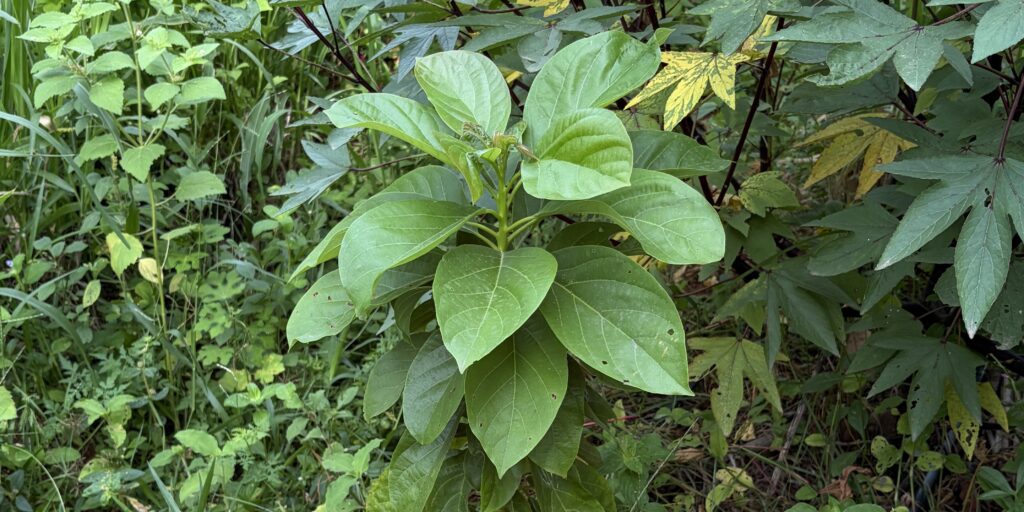
Since 2023, we have been experimenting with syntropic agroforestry in different parts of AuroOrchard Home » Blog » Dry Tropical Syntropic Agroforestry Dry Tropical Syntropic Agroforestry July 2026 · Anshul Aggarwal Since 2023, we have been experimenting with syntropic agroforestry in different parts of AuroOrchard. This work is part of our wider effort to develop integrated perennial horticulture across the farm through new orchards, diversification of existing orchards, irrigation development, nursery work and biomass-based fertility systems. During the first phase, we worked on approximately five acres. The human relationship with productive forests is older than settled agriculture. Archaeological research shows that hunter-gatherers were actively shaping tropical forest ecologies tens of thousands of years ago through burning, plant movement, selective protection and the concentration of useful species. It would be inaccurate to describe all these practices as agroforestry in the present technical sense. Still, they show that humans were managing trees, plants and forest mosaics for food long before fields of domesticated crops became the basis of settled societies. Many Indigenous and traditional systems continue this long history: home gardens, forest gardens, shifting cultivation, mixed orchards, trees maintained within crop fields and animals grazing beneath tree cover. Modern agroforestry has organised these diverse practices into a recognised field of farming and research, but it did not invent the idea of cultivating with trees. Today, the Food and Agriculture Organization defines agroforestry as the deliberate integration of woody plants—trees, palms, shrubs or bamboo—with crops or animals, arranged together in space or through time. While the term is relatively modern, the practice of growing food within wooded landscapes is very old. Syntropic agriculture, also described as successional agroforestry, is a more recent approach within agroforestry, developed through the work of Swiss farmer and researcher Ernst Götsch.Götsch began field experiments in Europe during the 1970s and later continued his work in Costa Rica and Brazil. After settling in Bahia in the early 1980s, he developed cacao-based systems that combined food crops, fruit trees, service plants and longer-lived forest species. His work gradually became known as syntropic agriculture. In Götsch’s use of the word, syntropy refers to the capacity of living systems to generate increasing organisation, differentiation and complexity. We can create syntropy by understanding how plants can be arranged and managed so that each stage helps create the conditions for the next. Syntropic agriculture uses familiar agroforestry elements—trees, crops, succession, ground cover and biomass—but gives particular attention to: the position of each plant within the vertical canopy; the stage of succession at which it belongs; its life cycle and productive period; its function within the whole system; and the timing of pruning, harvesting and removal. It is therefore more than planting many crops together. It is an actively managed process in which the farmer continually observes how the plants are interacting and changes the system as it develops. Some plants produce food. Others are planted mainly to provide temporary shade, occupy space, protect the soil or generate biomass. Some remain for only a few months. Others become part of the permanent orchard. Designing in space and time A syntropic field is planned with two important considerations. The first is space. Plants are arranged according to the amount of light they require and the height they may eventually occupy. A coconut, avocado, papaya, pineapple and sweet potato use different parts of the vertical space. The second is time. Plants are arranged according to their life cycles and their place in the development of the system. Maize, pumpkin, watermelon and rosella may occupy the first few months. Papaya, moringa and lemongrass may remain for several years. Avocado, jackfruit, citrus and cacao form the longer-term orchard. The first appearance of the field is therefore not its final form. Short-lived plants are harvested. Support plants are pruned repeatedly. Some trees are eventually removed as the main fruit crops require more light and space. A papaya, for example, may protect a young avocado from direct summer sun and produce fruit during the first few years. As the avocado develops, the papaya may need to be cut back or removed. Its role was to help establish the next stage of the system. This combination of vertical stratification, different life cycles and planned succession is central to the design. The Syntropic Trend and the Gap Syntropic agriculture is now being explored in different forms and at very different scales. Its best-known examples are tropical cacao, coffee and fruit systems in Latin America, but the approach has also been adapted to market gardens, school gardens, Mediterranean orchards, temperate fruit and nut systems, and larger experiments combining grains, grasses and rows of trees. Scientific research is also beginning to examine syntropic farming more closely. A 2025 review brought together 67 empirical studies. Most were from tropical countries, with almost three-quarters coming from Brazil and Bolivia. Only one study in the review came from Asia, from Yunnan in China; none of the studies listed were from India. The review found encouraging results in areas such as agrobiodiversity, nutritional diversity, soil fertility, carbon storage, water cycling and plant health. Productivity comparisons with other farming systems were mixed. It also identified considerable demands for labour, knowledge, tools and active management. There is, therefore, a growing body of conceptual writing, practitioner experience and scientific study. What we have found less readily available is open, detailed documentation from dry tropical farms showing actual field dimensions, species quantities, irrigation arrangements, planting chronology, pruning, survival and the changes made over several years. This is the context in which we place our work at AuroOrchard. AuroOrchard has sandy soil, intense summer heat and long periods without significant rain. Young fruit trees require irrigation during establishment, and the plants grown for shade and biomass draw from the same limited water. These conditions shape decisions about density, spacing, species, succession and pruning. Through our trials, we hope to develop and share some practical examples of dry tropical syntropic agroforestry. Design Process Before planting, we began preparing a working species database. It currently
Natural Beekeeping and Apiary Project
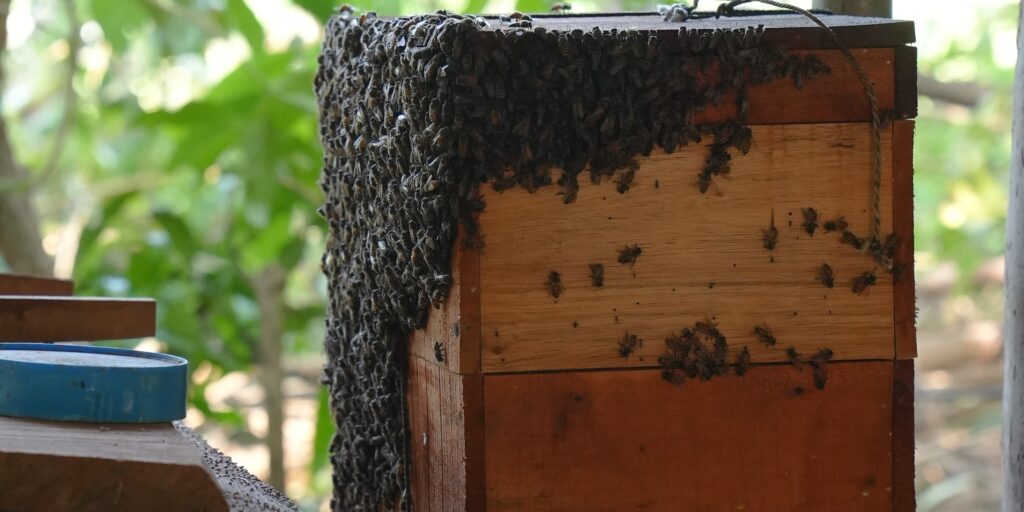
An exploration of grains through history and the relationship between body and land Home » Blog » Natural Beekeeping and Apiary Project Natural Beekeeping and Apiary Project July 2026 · Erik Jansegers & Anshul Aggarwal Between August 2025 and April 2026, AuroOrchard’s natural beekeeping project made significant progress towards developing a larger, resilient apiary and creating opportunities for learning about bees and small-scale honey harvesting. The project began in August 2025 with two main aims: to gradually expand the farm’s apiary to 100 hives, with the possibility of eventually reaching 200, and to offer workshops for farmers, students and people interested in natural beekeeping. Learning from experienced beekeepers In January 2026, Erik spent six days at MadhuSree Honeybee Farm in Kerala. The farm has over 45 years of experience and manages more than 2,000 colonies of the Indian hive bee, Apis cerana, and the stingless bee, Tetragonula iridipennis. The visit offered valuable practical learning in hive design, colony management, honey production, multiplication of colonies and the organisation of a professional beekeeping operation. It also helped inform the next stage of hive development at AuroOrchard. New hives and growing colonies Almost 30 new hives have been made using three designs developed and adapted by Erik: One Kenyan top-bar hive Five Warré hives Twenty-two stingless bee boxes designed for honey production These designs build on research and experimentation at AuroOrchard since 2015, together with Erik’s earlier beekeeping experience in France. The dimensions, ventilation, entrances and internal organisation of the hives are designed around the needs of the bees and the conditions of our region. The stingless bee boxes include a separate honey chamber, allowing honey to be collected with minimal disturbance to the brood area. The number of Apis cerana colonies at the farm has increased from three in 2025 to seven. The number of stingless bee colonies has grown from around fifteen to more than forty. The colonies are healthy and developing well. We are currently placing particular emphasis on stingless bees, which have shown themselves to be highly resilient in our local conditions. Expanding the apiary In February, the existing roofed apiary structure was extended and an old shed was repaired. Together, these spaces can eventually shelter between 100 and 200 stingless bee colonies. Honey harvesting is expected to begin in January 2027, during the main flowering season from December to March. The coming months will continue to focus on strengthening the colonies, observing the new hive designs and improving them through experience. Sharing the learning On 18 April 2026, AuroOrchard hosted a new three-and-a-half-hour workshop titled “The Secret Life of Honeybees: An Introduction to Natural Beekeeping.” Twenty-five people participated in the workshop, which introduced the lives of honeybees, the differences between bee species, hive design and the principles of working with bees in a respectful and attentive way. The response was very positive and encouraging. Natural beekeeping has been an area of exploration at AuroOrchard for more than ten years. This project is helping us deepen that work, create a strong home for bees at the farm and share what we are learning with a wider community. Previous ArticleNext Article Featured Articles Initiating the Centre for Mango Conservation & Research 29 Jul 2026 Grateful for Abundance of Mangoes | 2026 29 Jul 2026 Initiating the Centre for Mango Conservation & Research 29 Jul 2026 Grateful for Abundance of Mangoes | 2026 29 Jul 2026
The Story of How AuroOrchard Started…
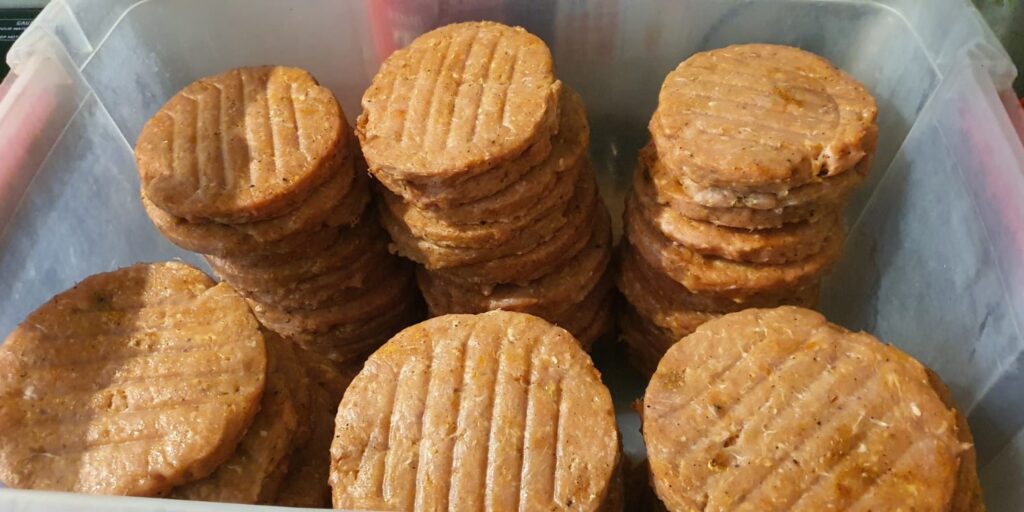
In December last year, I wrote about the dilemmas of agriculture with animals. Home » Blog » The Story of How AuroOrchard Started Offering Meat The Story of How AuroOrchard Started Offering Meat July 2026 ·Madhuri Kadam & Anshul Aggarwal In December last year, I wrote about the dilemmas of agriculture with animals. In this post, we would like to share a little more about how these dilemmas play out in the context of the farm, and what we have been doing with our chickens. Inevitably, during any conversation about the activities of the farm, the question of chickens comes up. Do we need them on the farm? Aren’t Aurovilians supposed to avoid eating meat? Is this appropriate within a conscious community? Is it ethical to keep animals for food production? How is Auroville different if we also participate in animal farming, however well-managed it may be? Our sincere answer involves the following points: A large number of Aurovilians consume milk, eggs and meat for different reasons. At present, they have few sources of animal protein whose production conditions, feed, antibiotic use, animal welfare and traceability can be properly verified. As farmers, we feel responsible for engaging honestly with what the community is already eating and for trying to improve how that food is produced. If farms within Auroville withdraw completely from animal-food production, it does not necessarily mean that consumption will stop. Much of it will simply continue through outside systems over which we have very little knowledge or influence. Our poultry also currently generates around half of the farm’s income and contributes significantly towards supporting vegetable and fruit production. If we stopped poultry within our present system, we would need to considerably expand horticultural production, increase prices, develop another dependable source of income, or reduce the activities of the farm. Auroville is meant to be a field for exploring solutions that may have relevance for the wider world. Animals remain integral to the land, livelihoods, nutrition and farming systems of millions of households in India and elsewhere. If our agricultural solutions completely exclude animals, we may resolve one ethical contradiction while leaving many other agricultural realities unexplored. Expecting farmers to keep domesticated animals indefinitely without receiving food or livelihood from them is also economically unrealistic in many contexts. Our exploration is therefore not simply about whether animals should be present on farms, but about how these relationships can be transformed: how animals are cared for, what conditions they live in, how the food received from them is valued, and how responsibility is taken for their entire lives. Surely, there are counterpoints to each of these arguments. Auroville has a substantial vegan community, as well as many vegetarians by birth or by choice. For many people, this issue is deeply sensitive. For some, the ethical objection is fundamental: animals should not be used or killed for food under any circumstances. We take these objections seriously, even when we arrive at a different practical position. Our position has emerged from the particular realities of food production and consumption within Auroville. We do not claim that better animal welfare resolves the ethical contradiction of using and killing animals. We do feel, however, that as long as animal foods continue to be consumed, there is value in producing them locally, transparently and with greater care. Poultry has been part of AuroOrchard for around 45 years. During this time, it has moved from cages to deep litter and eventually to free-range systems, with the standards improving continuously. Free-range is not the panacea of poultry farming. It is the most responsible system that we currently know how to operate at the required scale within our present conditions. Can it be improved? Of course. We are trying every year to first come up to the best international standards within free-range, and hopefully then surpass those standards. Standards are minimum requirements, not the highest goals. This brings us to the question of what the goal should be. We feel that farmers cannot answer this on their own. As a community, we need to ask- What do we want our food to be? How do we want it to be grown? What standards are we prepared to support, even when they require more labour, infrastructure and money? In the last few years, we have made good progress in understanding the global free-range poultry ecosystem and connecting with people who can help us improve our work. We buy one-day-old chicks from a large commercial hatchery. This itself raises many questions and remains an unresolved part of our system. We have limited influence over the breeding system, the parent flocks and the wider hatchery process before the chicks arrive at the farm. Once the chicks arrive, however, we care deeply for them. They have enough time and space to move, scratch, forage, dust-bathe and express many of their natural behaviours. They are protected from predators and provided with appropriate shelter, feed and care. The difficult question arises when their egg production declines significantly, usually when they are around two years old. At this stage, we need to make space for a younger flock if the poultry activity is to continue. Until last year, we would announce that the older birds were available, and people from the neighbouring villages would come and take several birds at a time. Some would keep them for a while and receive the few eggs they continued to lay. Eventually, however, almost all the birds would be killed for food. It felt wrong to care for the birds for two years and then, once their role on the farm was over, hand them to someone else and distance ourselves from what happened next. We were outsourcing the killing while avoiding the consequences of our own farming decisions. We felt that if we chose to keep birds for eggs, we also had to take responsibility for what happened when we decided to cull the flock. We also felt that if people in
Grains: The Food of Survivalㅤㅤㅤㅤ
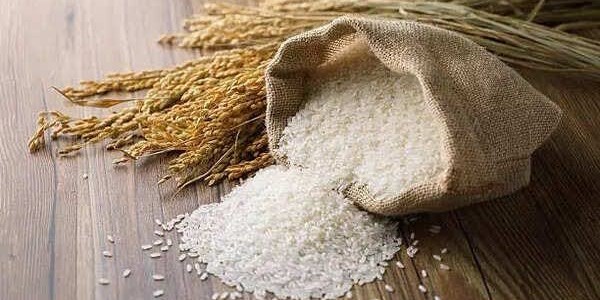
An exploration of grains through history and the relationship between body and land Home » Blog » Grains: The Food of Survival Grains: The Food of Survival May 2026 · Charan GP An exploration of grains through history and the relationship between body and land. Have you noticed what happens after you eat a meal, especially lunch? The body often slows down. The eyes feel heavy. There is an urge to lie down, to rest, sometimes even to sleep. This response is so common that it rarely raises questions. Food is usually described as something that gives energy. Yet the experience of eating often leads to the opposite. Instead of lightness or alertness, there is heaviness. Instead of movement, there is stillness. This contrast stayed with me long before I had words for it. If food is meant to nourish, how do we recognize nourishment? Is it simply the feeling of fullness in the stomach, or is it the quality of energy that follows a meal? Does nourishment mean being filled, or does it mean feeling alive and available after eating? Growing Up on Grains Growing up, grains were the unquestioned center of every meal. Breakfasts were often idlis or dosas. At times, bread or fried items made their way onto the plate. Lunch almost always meant rice, accompanied by curries. Dinner shifted to wheat, usually in the form of chapatis or other Indian breads. Grain was not just part of the meal. It was the meal. Everything else existed around it. Fruits were occasional. Vegetables were present, but secondary. A meal without rice or wheat felt incomplete, as though something essential was missing. This was not explained or discussed. It was simply how food was understood. My grandfather often spoke of the days when millets like ragi were the norm. He would recall how white rice was once a “rich man’s food,” eaten rarely, a symbol of status. Now, it has become the most common staple a quiet reversal of what once was. The Same Pattern Across Continents Years later, while traveling across Africa and other countries, this pattern resurfaced in a different form. For instance across ten countries i traveled in Africa, from Southern Africa to eastern regions and further north, the structure of meals felt familiar. In Southern African countries, maize formed the base of their diets. In eastern regions, wheat and rice became more prominent. Further north, rice and wheat appeared again as staples. The names, textures, and preparations varied, but the reliance on a single dominant grain remained constant. How Grains Entered the Picture Grains have existed alongside humans for thousands of years, but their dominance is relatively recent after the large-scale agriculture. Rice and wheat existed, but they did not define every meal. In India, millets were widely consumed and region-specific. They grew with less water and supported local ecosystems. The shift began when food needed to be stored, transported, taxed, and controlled. Grains suited this purpose well. They could be dried, preserved, counted, and accumulated. Over time, what was convenient for systems became essential for people. Food slowly moved from being seasonal and diverse to being standardized and centralized. The Green Revolution and the Shift in the Land The Green Revolution accelerated this transformation. High-yield varieties of rice and wheat were introduced with the promise of food security. Irrigation expanded. Chemical fertilizers and pesticides became common. Production increased, but diversity declined. Millets and traditional crops were gradually displaced. Government ration systems reinforced rice and wheat as staples, shaping not just farming practices but eating habits as well. The plate narrowed, even as yields rose. Hybridization further deepened this change. Traditional varieties of rice and wheat, once regionally adapted and nutrient-rich, were replaced by uniform, high-yield hybrids. Local strains disappeared quietly, leaving behind only a handful of varieties grown on vast tracts of land. What began as an agricultural innovation slowly became a biological narrowing. What Grains Do to the Land Grain cultivation reshapes the land. Rice, especially, demands large amounts of water. Monocropping draws heavily from soil nutrients. Over time, soils lose vitality and depend increasingly on external inputs. Fields that once supported multiple crops become devoted to a single one, season after season. Biodiversity fades quietly. The land continues to produce, but often at the cost of resilience. From Land to Body What happens to the land often finds an echo in the body. Systems built for efficiency tend to extract more, whether from soil or from digestion. Just as soil requires support to keep producing under monocropping, the body often requires rest after grain-heavy meals. Energy turns inward. Movement slows. The parallel is subtle, but present. Grains and the Human Body Grains are the seeds of grasses. Biologically, they are designed to propagate, not to be easily digested. Humans lack the digestive adaptations seen in animals that naturally consume grains, such as birds. When observing grains closely, another question arises. When we see fruit, there is often an immediate sensory response. Color, aroma, taste. There is a natural pull. With grains, this is rarely the case. Rice, bread, or wheat by themselves do not usually call to the senses. They require something added a curry, oil, salt, spices, sauces. By themselves, grains seldom invite consumption. Digesting grains also demands significant energy. They are dense, complex, and slow to break down. The body allocates resources to digestion, which may explain the familiar lethargy and sleepiness that follows grain-heavy meals. Energy, Digestion, and Fatigue Digestion is an active process. When food is complex and dense, more energy is directed inward. Blood flow shifts toward the digestive system. The rest of the body slows. This may help explain why meals centered on grains often lead to heaviness rather than vitality. Energy that could support movement or alertness is redirected toward processing what has been consumed. A Personal Shift Over time, my relationship with grains changed through experimentation. I moved from white rice to fiber-rich varieties like brown rice and traditional strains such as
Reflections from Volunteersㅤㅤㅤㅤㅤ
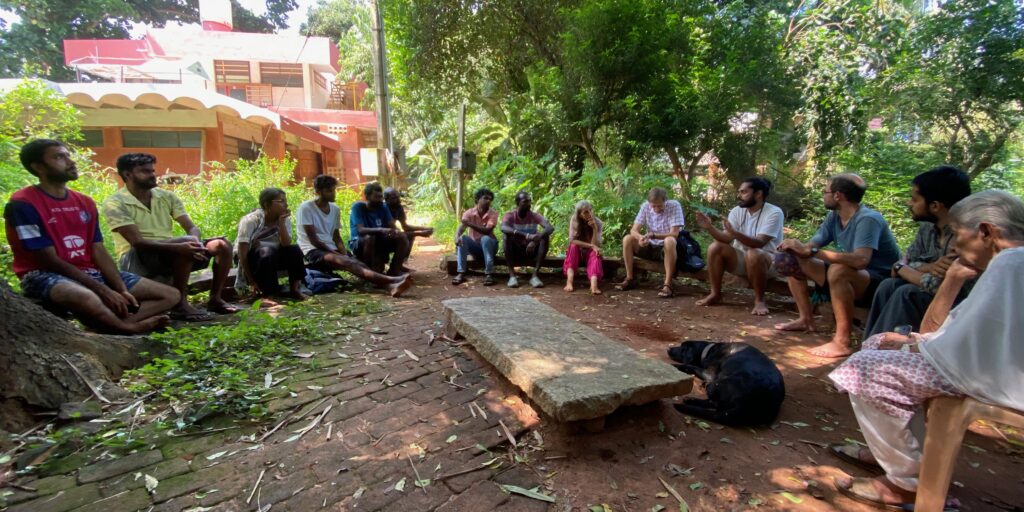
Our effort has been to open the space on the farm for learning agriculture as well as coming into a deeper contact with the land and oneself. We firmly believe the farm to be a site for Integral Education, with ample opportunities for development of the physical, vital, mental, spiritual, as well as the psychic. These are the reflections from some of our past volunteers showing the potential and possibilities of this work. Home » Blog » Ayurvedic Recommendations for Winter Reflections from Volunteers March 2026 · Anshul Aggarwal Our effort has been to open the space on the farm for learning agriculture as well as coming into a deeper contact with the land and oneself. We firmly believe the farm to be a site for Integral Education, with ample opportunities for development of the physical, vital, mental, spiritual, as well as the psychic. These are the reflections from some of our past volunteers showing the potential and possibilities of this work. My time at Auroorchard was a deeply valuable experience. I find it incredibly important that we spend time on the land – growing, preserving and innovating with food and Auroorchard provides that opportunity! I found the Auroorchard to be a living lab, where people can execute projects and research that can serve the multitude of projects on the farm, from regenerative farming to cultural paradigm shifts to education. Thanks to Anshul, Auroorchard takes a holistic approach to food farming, which is essential in both local and global food transitions that we desperately need. I hope the farm can grow, evolve and thrive for many years ahead. — Nikita Bharat, Netherlands AuroOrchard has left my heart full, thanks to the open-hearted people who work there and the mesmerizing beauty of the farm itself. It has been a true pleasure documenting the life of AuroOrchard and diving into the techniques of the natural way of farming. I feel deeply grateful for having been a part of the farm, even for a short period of time. — Taisiia Latypova, Russia I stayed at the farm for a week, and the experience truly stayed with me. I had zero background in farming, yet everyone there welcomed me with warmth and patiently taught me the basics. Every day brought a new learning — not just about farming practices, but about people, their journeys, and the stories they shared while we worked together. Even in that one week, I felt a deep connection to the people and the sense of community on the farm. It was a meaningful and memorable experience. — Sai Kiran, Andhra Pradesh, India I worked at AuroOrchard for a month, really it’s a wonderful experience to me and I gained a lot of knowledge from the farm.And now I am implementing the learnings at my place. And the people who are there are great and provided a lot to me. And everyone who is interested in farming should visit this place. — Ramesh G, Tamil Nadu, India It was amazing volunteering at AuroOrchard. Volunteering brought new learnings about farming, a nourishing breakfast and company of like minded fellows from different walks of life. Anshul used to solve my doubts and was great at doing thought experiments. Guided farm walk also helped a lot. I thoroughly enjoyed being at the farm. I saw so many birds I had not even known and made some great friends too. Thanks again for the opportunity ! — Abhijeet Kulkarni, Maharashtra, India It’s a simple truth that AuroOrchard made me feel far more deeply than I ever had before. My weeks at AuroOrchard showed me how every role, no matter how small or humble, becomes meaningful when directed toward a shared purpose: growing food for the community in the most natural and conscious way possible. During my stay, I listened to locals, Aurovilians, volunteers, travellers and tourists. Everyone carried a fragment of the larger story: a story shaped by the vision of The Mother and Sri Aurobindo, rooted in inner evolution, collective harmony, and the aspiration to manifest a more conscious world. Auroville itself is built on this experiment of human unity, and AuroOrchard reflects that ideal in the soil, the sweat, and the spirit of everyday work. The people I met now long-standing acquaintances and friends were bound not by background but by shared values. Together we watched sunrises on days that began in quiet reflection and sunsets that carried the satisfaction of honest labour. Even the pre-monsoon showers felt like a blessing, softening the earth we were working to nurture. We weeded, mulched, composted, pruned Malabar spinach. Simple tasks, yet profoundly grounding. Anshul’s guidance, the helpfulness of every volunteer and worker contributed in their own way. And that’s the beauty of the place: there is space for all, for every profession, every stage of life, every wandering soul seeking meaning or direction. Volunteering here isn’t just service; it is a form of education. You learn what it truly takes to bring food to a table. You learn to value every grain, every leaf, and the labour behind it. You learn the quiet art of not wasting. You learn the power of a community that gives because giving is part of living. Not everyone can give time, not everyone can give resources—but each of us can give something. And each offering, however small, helps sustain spaces like AuroOrchard spaces that heal the earth, and in many ways, heal us too. If you ever wish to reconnect with the essentials nature, community, purpose let Auroville hold you for a while. And let AuroOrchard put your hands back into the soil. It has a way of changing you, gently, irrevocably. — Rashmika Rajaram, Karnataka, India AuroOrchard means everything to us because it’s where we met. Living together for a love of health, AuroOrchard couldn’t have been a more profound farm to put our feet, hands, heart & mind in all things Nature. With Anshul at the helm and incredibly kindred volunteer souls, this place is
Eating With the Daylightㅤㅤㅤㅤㅤ
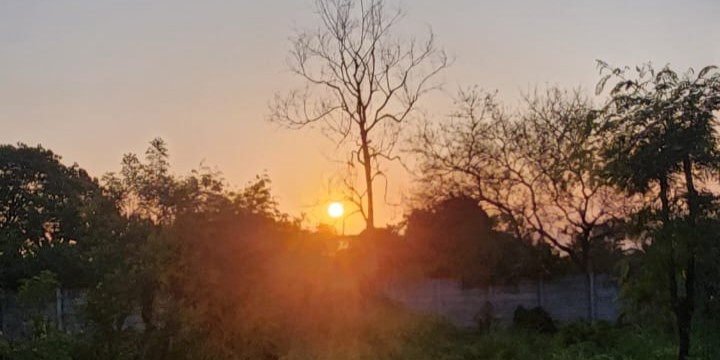
Life on Earth moves in a rhythm shaped by the sun. As daylight arrives, nature slowly comes alive. Birds begin to chirp, plants respond to light, and activity across ecosystems increases. As the sun rises higher, energy builds. Around midday, this energy reaches its peak. As evening approaches and the sun begins to set, activity gradually slows, preparing all living beings for rest. Home » Blog » Eating With the Daylight Eating With the Daylight March 2026 · Charan GP “Insights into the connection between sunlight, circadian rhythm, and the body’s digestive and sleep cycles.” Life on Earth moves in a rhythm shaped by the sun. As daylight arrives, nature slowly comes alive. Birds begin to chirp, plants respond to light, and activity across ecosystems increases. As the sun rises higher, energy builds. Around midday, this energy reaches its peak. As evening approaches and the sun begins to set, activity gradually slows, preparing all living beings for rest. The human body is deeply connected to this same rhythm. This daily cycle of light and darkness regulates what is known as the circadian rhythm, the internal body clock that influences sleep, wakefulness, hormone release, digestion, metabolism, and repair processes. The body does not function randomly. It responds continuously to the presence or absence of light. Sunlight and Digestive Capacity One important aspect of circadian rhythm is digestion. Digestive strength is closely aligned with daylight. As the sun rises and energy increases, the body’s ability to digest, absorb, and metabolise food also increases. Around late morning to early afternoon, when the sun is near its peak, digestive activity is at its strongest. As the day moves toward sunset, digestive capacity naturally declines. When food is eaten late in the evening, the body must stay active digesting at a time meant for slowing down, repair, and rest. Energy that could support deep sleep is instead diverted toward digestion. Many people notice this through experience. After eating a heavy meal at night, the body may still feel bloated or heavy the next morning. Sleep may feel light or incomplete, and waking up does not always bring a sense of freshness. Observation Through Experience For many years, despite sleeping for enough hours, I often woke up without feeling rested. A simple question kept coming up. Why do I not feel fresh after sleep? This curiosity led me to observe my eating patterns. Growing up, dinner was usually between 8 and 9 pm. In my early twenties, I began experimenting by eating earlier. First around 7 pm, then 6 pm, and sometimes skipping dinner altogether. Over time, changes became noticeable. Sleep felt deeper, mornings lighter, and energy more stable through the day. For the past several years, this exploration has continued. Currently, I finish my meals within a four-hour window, usually between 10 am and 2 pm, followed by a fasting period of about twenty hours. This timing closely follows daylight hours and the natural rise and fall of energy in the body. Breaking the Fast Gently When the body wakes up in the morning, it has just come out of a fasting state. At this time, the system is sensitive and receptive. Just as a vehicle starts in first gear before moving into higher gears, the body also benefits from a gentle beginning. Hydrating and easily digestible foods support this transition. Fresh fruits, fruit juices, coconut water, and green juices etc provide hydration and light nourishment without burdening the digestive system. As the day progresses and sunlight increases, denser foods can be introduced, when the body has more energy and time available for digestion. Circadian Rhythm and Artificial Light The circadian rhythm is the body’s internal clock, regulated mainly by light and darkness. Morning sunlight signals the body to wake up, activate digestion, and increase alertness. As daylight fades, the body naturally prepares for rest through the release of melatonin, which supports deep sleep and recovery. Exposure to artificial light, especially blue light from mobile phones and screens, after sunset can disrupt this process. Blue light mimics daylight and can signal the body to stay alert when it should be slowing down. This can delay melatonin release, reduce sleep quality, and limit the body’s ability to rest and repair. Just as eating late keeps digestion active at night, prolonged screen exposure after sunset keeps the nervous system active, reducing the depth and effectiveness of sleep. Living in Alignment The circadian rhythm is not something external to follow. It is already functioning within the body. Paying attention to light, food timing, and rest allows the body to work with less resistance. A simple reflection can be useful. Have you noticed how your body feels after eating something heavy at night? Or how screen exposure late into the evening affects your sleep and energy the next morning? Observing these signals, without forcing change, often reveals what the body naturally prefers. The sun rises and sets each day without effort. When daily life begins to align more closely with this rhythm, the gut, sleep, and energy often respond with greater ease. Previous ArticleNext Article Featured Articles Monthly Updatesㅤㅤㅤㅤㅤㅤㅤㅤ 25 Mar 2026 Year-end updatesㅤㅤㅤㅤㅤㅤㅤㅤ 20 Dec 2025 Food Sovereignty and Seeds of AuroOrchard 28 Mar 2026 Eating With the Daylight 26 Mar 2026
Hunger: A forgotten language
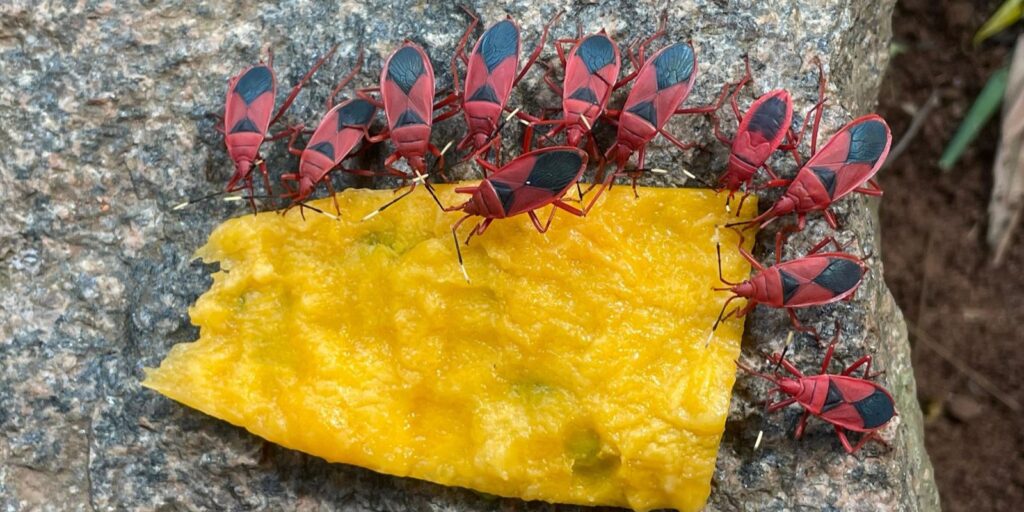
Before speaking about food, nutrition, or health, there is a quieter and more fundamental question that often goes unasked: What is hunger? Home » Blog » Hunger: A forgotten language Hunger: A forgotten language February 2026 · Charan GP Before speaking about food, nutrition, or health, there is a quieter and more fundamental question that often goes unasked: What is hunger? Where do you feel it in your body? Is it in your stomach, your throat, your mouth, a readiness to receive food? Or is what we call hunger shaped by other rhythms: the time of day, emotion, or habit? When was the last time you were truly hungry and had a meal? Eating by Time, Not by Need Growing up our meals are often organized almost entirely by time. Breakfast in the morning, lunch in the afternoon, dinner at night, with snacking woven in between. School bells, schedules, and later work routines dictates when to eat. Hunger, the word itself, becomes distant, less a lived experience, more a concept tied to routine. From Bodily Clarity to Conditioning A baby knows hunger clearly. When a baby is hungry, it cries. When it is full, it does not eat. There is no persuasion, no logic, no routine. The communication is direct and embodied. Slowly, feeding is aligned with adult schedules and convenience. Over time, the clarity of hunger dulls. What begins as responsiveness becomes routine. By adulthood, most of us are better at following the clock than listening to the body. Hunger in Nature-+ licated. Animals eat when they are hungry. If food is not available, they wait. They fast. Wild animals do not graze continuously; they eat when the body calls. Domesticated animals are conditioned to schedules, but instinct still speaks. In the wild, movement, effort, and hunger are connected. Physical activity prepares the digestive system. Food is earned through engagement with life. Modern human life looks different. We sit for long hours. We move little. Yet we eat frequently, often more than our ancestors ever did. The Invention of Breakfast For much of human history, there was no universal concept of breakfast as we know it today. Many traditional cultures ate one or two substantial meals a day, often after physical work had already begun. The modern idea of breakfast emerged alongside industrialization. Factory schedules, school timetables, and long working hours required predictable energy intake. Food had to be quick, standardized, and easily distributed. Cereal companies seized this opportunity. By promoting grains as essential morning fuel, they introduced the notion that skipping breakfast was unhealthy, even dangerous. Marketing framed breakfast as the most important meal, not because the body demanded it, but because industry required it and products needed to be sold. Over time, this industrial solution became a cultural norm, reaching Indian households and blending with local food habits. What began as a strategy for consumption became unquestioned tradition. Eating Without Hunger When food is eaten without hunger, the experience changes. Have you noticed how food tastes when you are truly hungry? Even the simplest, bland meal feels satisfying, alive, enough. When hunger is absent, even the most elaborate meal can feel dull. The body seeks stimulation instead of nourishment: more spice, more salt, more sugar, more intensity. This is not a failing; it is a sensory response. Appetite becomes craving. Digestion, Fatigue, and Stimulation Digestion requires energy. It draws on what many traditions call prana or nerve energy. When the body is genuinely hungry, digestion flows easily. Enzymes respond. Energy moves. When food arrives without hunger, digestion becomes work. Energy is pulled inward, and the body feels heavy, sluggish, or sleepy. To counter this, we reach for external stimulants: tea, coffee, sugar. These provide temporary lift but do not restore underlying energy. The cycle quietly repeats. Availability, Habit, and Overfeeding Another layer is availability. Food today is constantly accessible. It arrives with a click or a short walk. There is little waiting, no effort. Hunger cues blur. Habit takes over. Our ancestors worked for food, moved for it, and ate in response to genuine need. Today, we eat because it is there, not always because the body calls. An Ongoing Inquiry I am still learning this myself everyday to listen to the body and feed when hungry. It is not simple when decades of habit have trained the body to ignore its signals. Sometimes thirst can also be confused with hunger. Hunger is not an idea. It is a sensation, a communication, a relationship. Perhaps the question is not how often we eat or what we eat, but whether we are listening at all. An Invitation For your next meal, take a moment to feel your body and check what is guiding you to feed. I am curious to hear your reflections and insights. Previous Article Featured Articles Monthly Updatesㅤㅤㅤㅤㅤㅤㅤㅤ 25 Feb 2026 Year-end updatesㅤㅤㅤㅤㅤㅤㅤㅤ 20 Dec 2025 Hunger: A forgotten language 26 Feb 2026 The World of Bananasㅤㅤㅤㅤㅤㅤ 25 Feb 2026
Eating for Nourishment or Habit: A personal …
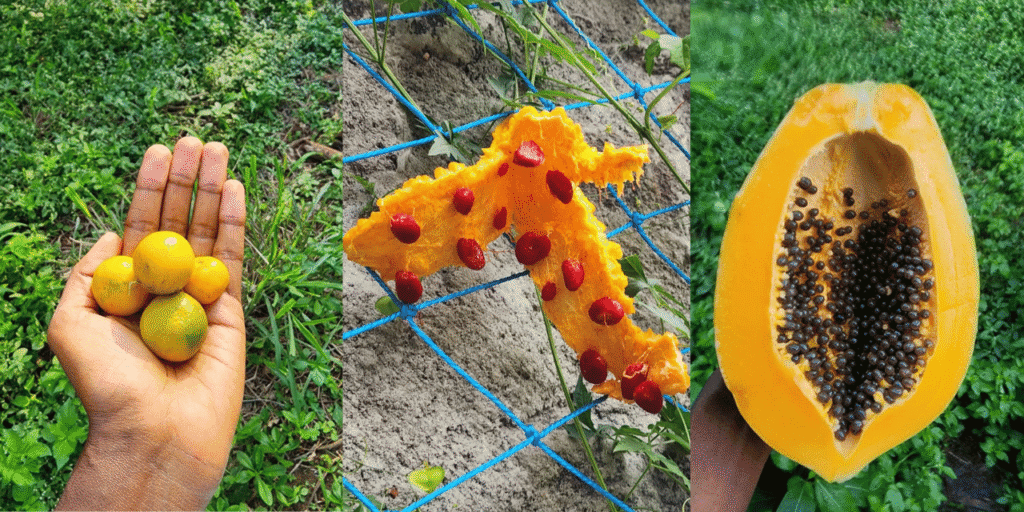
My name is Charan. For the past several years, I have been exploring my relationship with my body and mind. I’ve done this by observing how my body responds to different foods, routines, and environments, and by learning from people around the world who are asking similar questions. Over time, this exploration has helped me understand my body more clearly and simply. At its core, it has been driven by a quiet longing to feel free and at ease in this body, something I had not fully experienced before. As this inquiry deepened, more fundamental questions began to surface. What truly makes this body function? Why does disease arise? What does it really mean to care for this living organism? I began to question what food actually is for the body. Is it only what I put into my mouth, or are there other forms of nourishment such as sunlight, air, water, rest, touch, and movement? Home » Blog » Eating for Nourishment or Habit: A personal journey into the relationship with food Eating for Nourishment or Habit: A personal journey into the relationship with food January 2026 · Charan Gp My name is Charan. For the past several years, I have been exploring my relationship with my body and mind. I’ve done this by observing how my body responds to different foods, routines, and environments, and by learning from people around the world who are asking similar questions. Over time, this exploration has helped me understand my body more clearly and simply. At its core, it has been driven by a quiet longing to feel free and at ease in this body, something I had not fully experienced before. As this inquiry deepened, more fundamental questions began to surface. What truly makes this body function? Why does disease arise? What does it really mean to care for this living organism? I began to question what food actually is for the body. Is it only what I put into my mouth, or are there other forms of nourishment such as sunlight, air, water, rest, touch, and movement? During this time, I paid close attention to all aspects of daily living. It became an exploration of relationship itself: my relationship with nature, with my mother and father, with my ancestors and my birthplace, with friends, with food and water, with sleep and dreams. I began to see that each of these is an aspect of living, and together they form the field in which this body and mind exist. Eating was not separate from this field. It was one of the most direct and tangible expressions of how I relate to the world. In this article, I stay with one strand of this larger inquiry: my relationship with food. I share my food history, where I come from, what we ate, how our regional landscape shaped our plate, and how I began to see the gap between nourishment and habit. Roots in a Dry Land I come from Chittoor in Andhra Pradesh, India, a region near Tirupati, known for temples, rocky hills, and a climate that leans toward dryness. Hot summers, moderate monsoons, and recurring droughts shaped the crops people grow and how they think about food and water. My ancestors migrated to higher ground after facing floods elsewhere. They adapted to a land where rainfall was uncertain and farming required resilience. Millets like ragi, groundnuts, and pulses were staples. These foods required less water and could be stored for long periods. Vegetables were harder to grow consistently, and fruits, though present, were not daily staples. Growing up in Air Force campuses across India exposed me to diverse regional food habits. Chapatis became a regular dinner, and milk consumption increased under the influence of northern cuisines, particularly from Punjab, where dairy is a central part of the diet My Plate Growing Up: Rice, Lentils, Tamarind At home, our meals were rooted in our native land. The staple was white rice, accompanied by a range of lentil-based preparations such as dals, sambars, rasams, and chutneys. Meat appeared mostly on weekends, eggs more often. Podis mixed with ghee or oil were a regular feature, and almost everything carried the sour taste of tamarind. Our food was heavy in grains and lentils, high in carbohydrates and plant proteins, but often low in daily fresh fruits and vegetables that provide water-rich nourishment and fibre. With refrigerators and gas stoves, idlis and dosas became convenient and slowly entered daily life. Millets, Rice, and Aspiration When I spoke with my grandfather, he described meals centered around hardy grains and millets. White rice was rare and considered a luxury. Over time, as markets expanded and government systems made rice affordable, polished white rice became associated with comfort and status. By the time I was growing up, it had become the unquestioned centre of most meals. Eating for Nourishment or Habit As my inquiry deepened, I turned the question to my plate. Much of what I ate came from habit, convenience, and emotional comfort. Foods from childhood carried memories of home and care, and certain dishes felt tied to my identity. It led me to ask more honestly whether I was eating for nourishment or out of habit and conditioning. I also began to notice differences in lifestyle. My ancestors worked in the fields, walked long distances, and lived according to the sun. They usually ate two substantial meals a day, finished eating early in the evening, slept early, and woke early. Experimenting With My Own Body I began recreating ancestral dishes and examining them through the lens of nourishment. I explored how I could nourish my body while still eating familiar foods, and also by bringing more vegetables and fruits into these dishes. I changed what, when, and how often I ate, observing how my body responded. Simpler meals, more fruits and vegetables, adjusted meal timing, or reduced heavy foods each became a way to learn. The internet connected me with others experimenting with fasting, raw eating,
Hands-On Approachㅤㅤㅤㅤㅤㅤㅤㅤㅤ
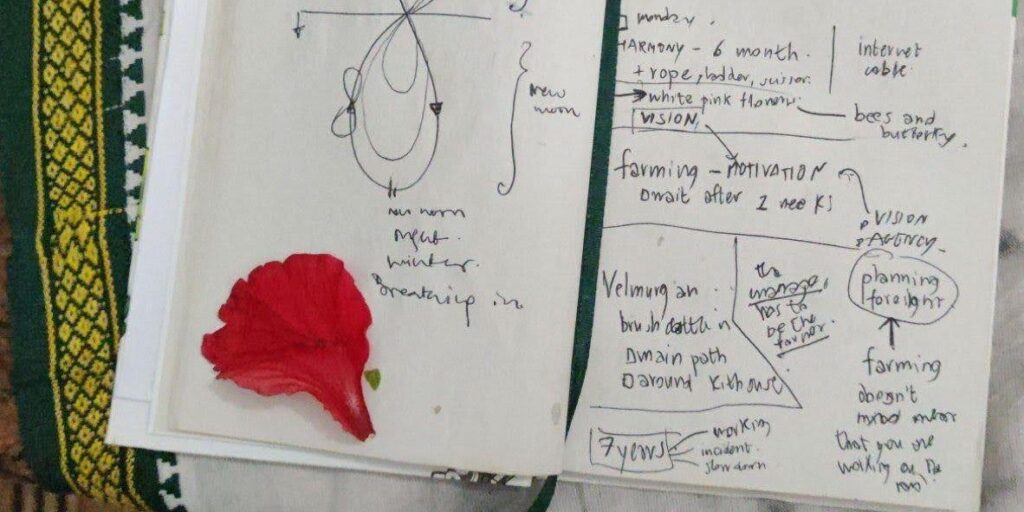
But you can truly learn when your feet and hands are on the field. The greatest knowledge is that which is applied to daily life. Home » Blog » Hands-On Approach Hands-On Approach 25 November 2025 · Fabio Karlino “Nowadays everyone could become (intellectually) a farmer.We have books, schools, courses, youtube videos …”But you can truly learn when your feet and hands are on the field.The greatest knowledge is that which is applied to daily life. And this happens in AuroOrchard.Ideas are welcome, brainstorming is magnificent, vision is encouraged.But let’s start from the ground, let’s start talking with naturebecause farming is a conversation with nature and with ourselves. First, as humans, we should grow discipline in the orchard of our good habits.The discipline to be constant, be patient and wait for the seedsthat we’ve planted with love, welcome them by preparing their bedswhere they’re gonna sleep, breathe and live. Why farming?What does it mean to be a farmer?How could human artificial activity be called ‘natural farming’?The mind is hungry for answers. Be patient, the answers will come through experience.You don’t need to rush to search on the artificial web,look inside you, wait for the universe to provide you the keysnot encapsulated in words and concepts but feelings, experiences. Then a good talk with another human,especially if it is an experienced one like Anshul,could really help to recalibrate and transfer learning. The core of farming is food.This is the basic but fundamental starting point.Around this first principlehumans create families, communities, organizations. To be a farmer is not just being on the land with dirty hands,Farming means planning, forecasting, researching, experimenting.It’s an equilibrium, a balance between physical and intellectual activity,between materialism and spirituality for the parallel evolution of both. Natural farming does not exist. Have you ever seen a farm naturally grow somewhere with no human intervention?What we define natural farming are all techniques and practices used in agriculturein order to mimic the natural processes. Just like in a forest the leaves naturally cover the soil making it humid and fertilein the same way we are mulching by putting branches and leaves from the pruning.The bio inputs of the animals and microorganisms that live in the forestare replicated with a layer of compost and biomass. Is there room for improvement? Of course.What will the future of farming look like? We are creating it.What’s the best way to learn? Hands-on approach. Previous ArticleNext Article Featured Articles Monthly Updatesㅤㅤㅤㅤㅤㅤㅤㅤ 28 Nov 2025 Abundance Product of the Month 22 Oct 2025 Flow of fire and water on the farmㅤㅤ 03 Dec 2025 Hands-On Approachㅤㅤㅤㅤㅤㅤㅤㅤㅤ 29 Nov 2025
The Flying Houseㅤㅤㅤㅤㅤㅤㅤㅤㅤㅤㅤ
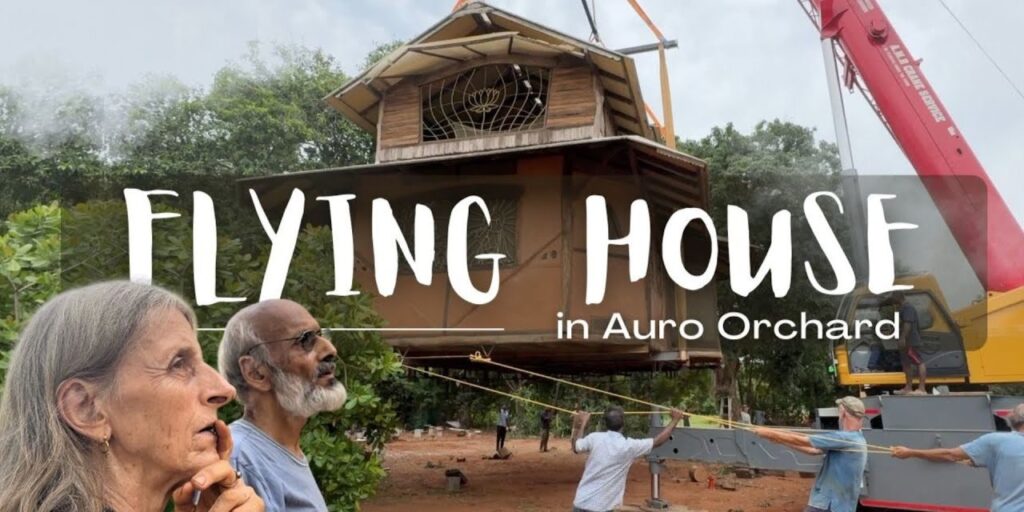
Here we are sharing a ’story within the story’, of the house of two Aurovilians that was discovered to be ‘on the wrong side’ of the new boundary, and was saved and air-lifted thanks to the efforts of a whole community that came together in solidarity. Watch the adventure of Auro Orchard’s Flying House’ in its epic journey of … 35 metres, back onto the soil of Auroville! Home » Blog » The Flying House The Flying House November 2025 · Jasmin Maheshwari https://www.youtube.com/watch?v=Hqe1SwP3qJA Auro Orchard has survived the loss of more than a third of its land and vital infrastructure in the ‘land exchanges’ two years ago. How the farm recovered and today has started to shine with new light, is a story of resilience and grace that is yet to be told. Here we are sharing a ’story within the story’, of the house of two Aurovilians that was discovered to be ‘on the wrong side’ of the new boundary, and was saved and air-lifted thanks to the efforts of a whole community that came together in solidarity. Watch the adventure of Auro Orchard’s Flying House’ in its epic journey of … 35 metres, back onto the soil of Auroville! Previous ArticleNext Article Featured Articles Abundance Product of the Month 22 Oct 2025 Monthly Updatesㅤㅤㅤㅤㅤㅤㅤㅤ 22 Oct 2025 Recipe Alert!ㅤㅤㅤㅤㅤㅤㅤㅤㅤㅤㅤ 01 Dec 2025 The Flying Houseㅤㅤㅤㅤㅤㅤㅤㅤㅤㅤㅤ 01 Dec 2025