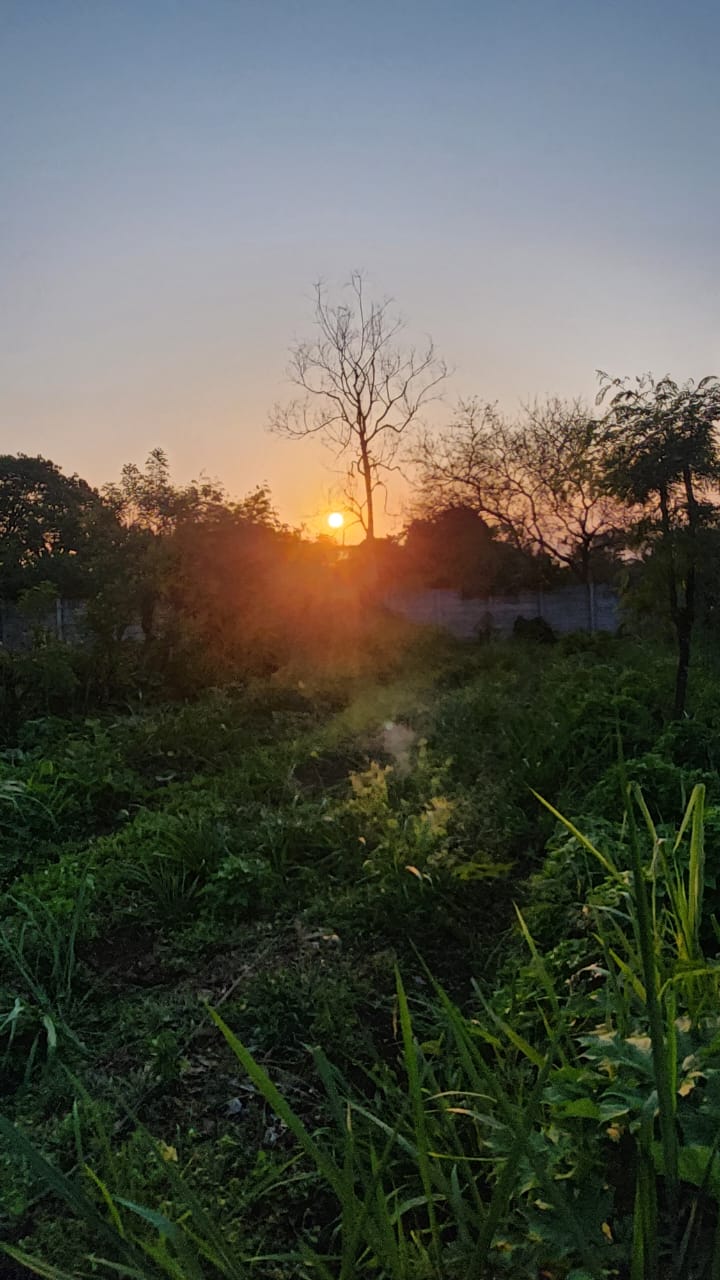
Life on Earth moves in a rhythm shaped by the sun. As daylight arrives, nature slowly comes alive. Birds begin to chirp, plants respond to light, and activity across ecosystems increases. As the sun rises higher, energy builds. Around midday, this energy reaches its peak. As evening approaches and the sun begins to set, activity gradually slows, preparing all living beings for rest.
“Insights into the connection between sunlight, circadian rhythm, and the body’s digestive and sleep cycles."
Life on Earth moves in a rhythm shaped by the sun. As daylight arrives, nature slowly comes alive. Birds begin to chirp, plants respond to light, and activity across ecosystems increases. As the sun rises higher, energy builds. Around midday, this energy reaches its peak. As evening approaches and the sun begins to set, activity gradually slows, preparing all living beings for rest.
The human body is deeply connected to this same rhythm. This daily cycle of light and darkness regulates what is known as the circadian rhythm, the internal body clock that influences sleep, wakefulness, hormone release, digestion, metabolism, and repair processes. The body does not function randomly. It responds continuously to the presence or absence of light.
Sunlight and Digestive Capacity
One important aspect of circadian rhythm is digestion. Digestive strength is closely aligned with daylight. As the sun rises and energy increases, the body’s ability to digest, absorb, and metabolise food also increases. Around late morning to early afternoon, when the sun is near its peak, digestive activity is at its strongest.
As the day moves toward sunset, digestive capacity naturally declines. When food is eaten late in the evening, the body must stay active digesting at a time meant for slowing down, repair, and rest. Energy that could support deep sleep is instead diverted toward digestion.
Many people notice this through experience. After eating a heavy meal at night, the body may still feel bloated or heavy the next morning. Sleep may feel light or incomplete, and waking up does not always bring a sense of freshness.
Observation Through Experience
For many years, despite sleeping for enough hours, I often woke up without feeling rested. A simple question kept coming up. Why do I not feel fresh after sleep? This curiosity led me to observe my eating patterns. Growing up, dinner was usually between 8 and 9 pm. In my early twenties, I began experimenting by eating earlier. First around 7 pm, then 6 pm, and sometimes skipping dinner altogether. Over time, changes became noticeable. Sleep felt deeper, mornings lighter, and energy more stable through the day. For the past several years, this exploration has continued. Currently, I finish my meals within a four-hour window, usually between 10 am and 2 pm, followed by a fasting period of about twenty hours. This timing closely follows daylight hours and the natural rise and fall of energy in the body.
Breaking the Fast Gently
When the body wakes up in the morning, it has just come out of a fasting state. At this time, the system is sensitive and receptive. Just as a vehicle starts in first gear before moving into higher gears, the body also benefits from a gentle beginning. Hydrating and easily digestible foods support this transition. Fresh fruits, fruit juices, coconut water, and green juices etc provide hydration and light nourishment without burdening the digestive system. As the day progresses and sunlight increases, denser foods can be introduced, when the body has more energy and time available for digestion.
Circadian Rhythm and Artificial Light
The circadian rhythm is the body’s internal clock, regulated mainly by light and darkness. Morning sunlight signals the body to wake up, activate digestion, and increase alertness. As daylight fades, the body naturally prepares for rest through the release of melatonin, which supports deep sleep and recovery. Exposure to artificial light, especially blue light from mobile phones and screens, after sunset can disrupt this process. Blue light mimics daylight and can signal the body to stay alert when it should be slowing down. This can delay melatonin release, reduce sleep quality, and limit the body’s ability to rest and repair. Just as eating late keeps digestion active at night, prolonged screen exposure after sunset keeps the nervous system active, reducing the depth and effectiveness of sleep.
Living in Alignment
The circadian rhythm is not something external to follow. It is already functioning within the body. Paying attention to light, food timing, and rest allows the body to work with less resistance.
A simple reflection can be useful. Have you noticed how your body feels after eating something heavy at night? Or how screen exposure late into the evening affects your sleep and energy the next morning?
Observing these signals, without forcing change, often reveals what the body naturally prefers. The sun rises and sets each day without effort. When daily life begins to align more closely with this rhythm, the gut, sleep, and energy often respond with greater ease.