Have you ever wondered what foods you could actually eat without salt? How did this tiny crystal become such a central part of our meals?
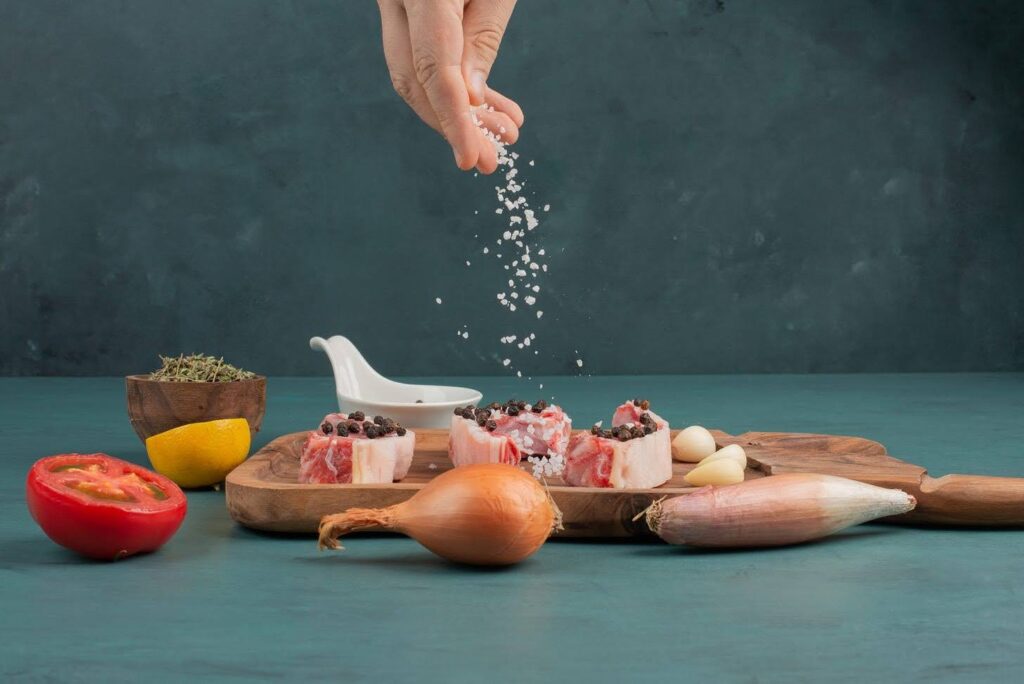
Have you ever wondered what foods you could actually eat without salt? How did this tiny crystal become such a central part of our meals?
Over time, salt found its way into our kitchens and food outlets, quietly becoming an assumed necessity in many meals. We often think it is essential to our health, yet its presence is so familiar that few of us pause to question it.
I have been salt-free for nearly four years, and during this time, my blood markers have consistently remained normal, without any sodium deficiency. My body naturally gets the sodium it requires from fruits and raw foods, without any added salt.
Salt has been valued by humans for thousands of years. Archaeological evidence shows that humans were mining and using salt at least 8,000 years ago during the early days of agriculture. As people began storing and preserving surplus crops and meat, salt became essential for preventing spoilage.
It allowed food to survive long journeys, harsh seasons, and trade routes. This gave salt enormous economic and strategic value. Roman soldiers were sometimes paid in salt, giving rise to the word salary. Centuries later, salt became a symbol of control and resistance, most famously during Gandhi’s Salt March.
Salt became deeply embedded in human culture because of food preservation, trade, and survival needs. In modern times, refrigeration and storage have replaced that role, but salt remains central to our meals, largely due to habit, taste, and the subtle addiction it creates.
No other species seasons its food. Animals eat what nature provides, obtaining minerals naturally from plants, water, and soil. Humans are the only species that isolates, refines, and adds salt back into their meals.
Salt stimulates appetite, encourages us to eat more than the body actually needs, and subtly keeps us returning to it meal after meal.
When I shifted fully into eating raw foods, my meals became simple: fruits in the morning, fruits in the evening, and salad in the afternoon. I never felt the need to add salt.
Salt naturally left my diet without effort. In fruits, I simply did not add any. In salads, I knew that adding salt would draw out the liquid, so it was unnecessary. Over time, salt quietly lost its place. Today, I cannot eat food with added salt; it overwhelms my taste buds. Without salt, I can fully taste the vegetables, fruits, and raw foods I eat. Food that once felt bland now feels complete.
People consume salt mainly to provide sodium chloride, which is necessary in small amounts for nerve function, fluid balance, and other physiological processes. However, the sodium the body requires is already naturally present in whole foods, such as fruits, vegetables, and leafy greens, without needing added table salt.
Health guidelines suggest no more than 5 grams of salt per day, roughly one flat teaspoon, including all sources. This is the combined amount from cooking, snacks, and processed foods.
In reality, most people consume far more:
Salt inside the body pulls water toward itself. The body responds by holding extra water to dilute it. Over time, this water retention can strain arteries, thicken the blood, and burden the kidneys and heart. Salt preserves food, and inside the body, it acts in much the same way: storing water, affecting circulation, and stimulating appetite.
My invitation is simply to notice the amount of salt being taken in during a day. This includes not only what is added to food but also the salt already present in packaged foods, snacks, and meals prepared by others. It is also interesting to see what foods can be eaten without salt, quietly observing and exploring.
Join our newsletter for exclusive updates!
AuroOrchard is certified organic by the Tamil Nadu Organic Certification (ORG/SC/1906/001683) Department accredited by APEDA (Agricultural and Processed Food Products Exports Development Authority), New Delhi, Ministry of Commerce and Industry, Government of India.
AuroOrchard Poultry is recognised under the Certified Humane Program, a globally recognised, independent, international auditing body dedicated to creating a more humane world for farm animals.