Conscious Technology Lab Update

We have installed a float sensor with a controller for sump automation. With this setup, when the sump becomes empty, the three-phase motor starts automatically, and once the sump is full, the controller stops the motor automatically. The required cabling has been installed using a trench with proper casing, Pump Automation has helped save labour time. Home » Blog » Conscious Technology Lab Update Conscious Technology Lab Update January 2026 · Azhaganandan We have installed a float sensor with a controller for sump automation. With this setup, when the sump becomes empty, the three-phase motor starts automatically, and once the sump is full, the controller stops the motor automatically. The required cabling has been installed using a trench with proper casing, Pump Automation has helped save labour time. Additionally, a float sensor with a controller has been installed for the overhead water tank. When the tank is empty, the three-phase motor starts automatically, and it stops once the tank is full. The cabling for this system has also been installed through a trenched casing. As a result, water wastage has been effectively eliminated through this automation. LoRa (Long Range) Gateway setup has been initiated by reflashing the firmware and configuring the operating system. This will help us re-install the water meters on all the three borewells. This system was dismantled after the land exchange as one of the borewells was lost and we were uncertain about the other two. LoRa (Long Range) Gateway setup has been initiated by reflashing the firmware and configuring the operating system. This will help us re-install the water meters on all the three borewells. This system was dismantled after the land exchange as one of the borewells was lost and we were uncertain about the other two. Previous Article Featured Articles Monthly Updatesㅤㅤㅤㅤㅤㅤㅤㅤ 29 Jan 2026 Year-end updatesㅤㅤㅤㅤㅤㅤㅤㅤ 20 Dec 2025 Conscious Technology Lab Update 30 Jan 2026 Eating for Nourishment or Habit: A personal … 30 Jan 2026
Eating for Nourishment or Habit: A personal …
My name is Charan. For the past several years, I have been exploring my relationship with my body and mind. I’ve done this by observing how my body responds to different foods, routines, and environments, and by learning from people around the world who are asking similar questions. Over time, this exploration has helped me understand my body more clearly and simply. At its core, it has been driven by a quiet longing to feel free and at ease in this body, something I had not fully experienced before. As this inquiry deepened, more fundamental questions began to surface. What truly makes this body function? Why does disease arise? What does it really mean to care for this living organism? I began to question what food actually is for the body. Is it only what I put into my mouth, or are there other forms of nourishment such as sunlight, air, water, rest, touch, and movement? Home » Blog » Eating for Nourishment or Habit: A personal journey into the relationship with food Eating for Nourishment or Habit: A personal journey into the relationship with food January 2026 · Charan Gp My name is Charan. For the past several years, I have been exploring my relationship with my body and mind. I’ve done this by observing how my body responds to different foods, routines, and environments, and by learning from people around the world who are asking similar questions. Over time, this exploration has helped me understand my body more clearly and simply. At its core, it has been driven by a quiet longing to feel free and at ease in this body, something I had not fully experienced before. As this inquiry deepened, more fundamental questions began to surface. What truly makes this body function? Why does disease arise? What does it really mean to care for this living organism? I began to question what food actually is for the body. Is it only what I put into my mouth, or are there other forms of nourishment such as sunlight, air, water, rest, touch, and movement? During this time, I paid close attention to all aspects of daily living. It became an exploration of relationship itself: my relationship with nature, with my mother and father, with my ancestors and my birthplace, with friends, with food and water, with sleep and dreams. I began to see that each of these is an aspect of living, and together they form the field in which this body and mind exist. Eating was not separate from this field. It was one of the most direct and tangible expressions of how I relate to the world. In this article, I stay with one strand of this larger inquiry: my relationship with food. I share my food history, where I come from, what we ate, how our regional landscape shaped our plate, and how I began to see the gap between nourishment and habit. Roots in a Dry Land I come from Chittoor in Andhra Pradesh, India, a region near Tirupati, known for temples, rocky hills, and a climate that leans toward dryness. Hot summers, moderate monsoons, and recurring droughts shaped the crops people grow and how they think about food and water. My ancestors migrated to higher ground after facing floods elsewhere. They adapted to a land where rainfall was uncertain and farming required resilience. Millets like ragi, groundnuts, and pulses were staples. These foods required less water and could be stored for long periods. Vegetables were harder to grow consistently, and fruits, though present, were not daily staples. Growing up in Air Force campuses across India exposed me to diverse regional food habits. Chapatis became a regular dinner, and milk consumption increased under the influence of northern cuisines, particularly from Punjab, where dairy is a central part of the diet My Plate Growing Up: Rice, Lentils, Tamarind At home, our meals were rooted in our native land. The staple was white rice, accompanied by a range of lentil-based preparations such as dals, sambars, rasams, and chutneys. Meat appeared mostly on weekends, eggs more often. Podis mixed with ghee or oil were a regular feature, and almost everything carried the sour taste of tamarind. Our food was heavy in grains and lentils, high in carbohydrates and plant proteins, but often low in daily fresh fruits and vegetables that provide water-rich nourishment and fibre. With refrigerators and gas stoves, idlis and dosas became convenient and slowly entered daily life. Millets, Rice, and Aspiration When I spoke with my grandfather, he described meals centered around hardy grains and millets. White rice was rare and considered a luxury. Over time, as markets expanded and government systems made rice affordable, polished white rice became associated with comfort and status. By the time I was growing up, it had become the unquestioned centre of most meals. Eating for Nourishment or Habit As my inquiry deepened, I turned the question to my plate. Much of what I ate came from habit, convenience, and emotional comfort. Foods from childhood carried memories of home and care, and certain dishes felt tied to my identity. It led me to ask more honestly whether I was eating for nourishment or out of habit and conditioning. I also began to notice differences in lifestyle. My ancestors worked in the fields, walked long distances, and lived according to the sun. They usually ate two substantial meals a day, finished eating early in the evening, slept early, and woke early. Experimenting With My Own Body I began recreating ancestral dishes and examining them through the lens of nourishment. I explored how I could nourish my body while still eating familiar foods, and also by bringing more vegetables and fruits into these dishes. I changed what, when, and how often I ate, observing how my body responded. Simpler meals, more fruits and vegetables, adjusted meal timing, or reduced heavy foods each became a way to learn. The internet connected me with others experimenting with fasting, raw eating,
Experiments with Faulkner’s Method …
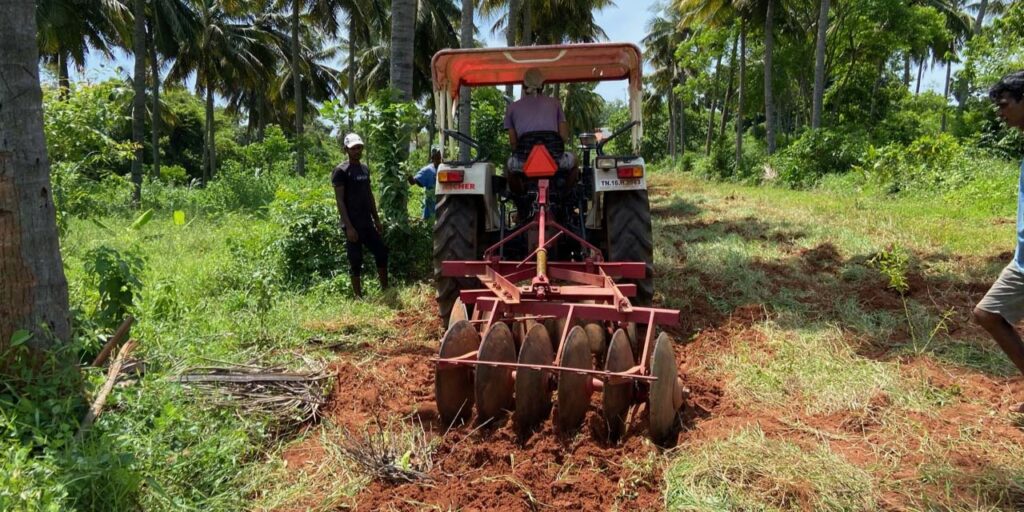
AuroOrchard soil is red sandy loam with very low baseline organic carbon (~0.2%). Whatever organic matter we add decomposes rapidly under heat, termites, and rain. Unless we keep feeding the soil, the carbon disappears. This challenge is not only ecological but also practical. Raised beds, which we also practice, protect soils well — but they demand immense labour to establish and maintain. With today’s scarcity of farm workers, scaling raised beds across large areas is difficult. Home » Blog » Experiments with Faulkner’s Method of Shallow Ploughing Experiments with Faulkner’s Method of Shallow Ploughing January 2026 · Anshul Aggarwal AuroOrchard soil is red sandy loam with very low baseline organic carbon (~0.2%). Whatever organic matter we add decomposes rapidly under heat, termites, and rain. Unless we keep feeding the soil, the carbon disappears. This challenge is not only ecological but also practical. Raised beds, which we also practice, protect soils well — but they demand immense labour to establish and maintain. With today’s scarcity of farm workers, scaling raised beds across large areas is difficult. In 2022, we came across the work of American agronomist Edward H. Faulkner, who advocated for shallow soil disturbance with a tractorised disc harrow. This paper describes our trials with this approach. Treading lightly with machines Mechanisation in Indian farming is often debated in absolutes: either as the culprit of soil degradation or as the saviour of productivity. On the one hand, mechanisation is unavoidable. With rural labour scarce and costly, even small farms depend on machines. On the other hand, not all mechanisation is equal. Large rototillers dig deep, pulverise soils, and burn fuel. They are unsuited to fragile sandy soils where organic matter is easily oxidised and lost. Our guiding question was whether we could use the tractor differently, in a way that it helps build soil structure rather than breaking it. Faulkner (1943) wrote in his Ploughman’s Folly: “No one has ever advanced a scientific reason for plowing… The sole reason for plowing is tradition.” Faulkner suggested that shallow stirring, not deep inversion, keeps soil fertile. And this is where the disc harrow comes into the picture. The disc harrow makes it possible to cut at 3–5 inches, slicing biomass without inverting the soil. The result is that the surface residues remain, decomposition is encouraged, and deeper horizons are undisturbed. The outcome is dramatically different from that of a roto-tiller, which has become ubiquitous now. Reconciling the ideal of no-till Globally, conservation agriculture promotes no-till, leaving soils undisturbed and residues on the surface. While effective in temperate soils, its results are mixed in sandy tropical contexts. Meta-analyses (Ogle et al., 2019) and sandy-soil trials (Wang et al., 2025) show that no-till does not automatically raise soil carbon in these contexts unless there is abundant residue input. Residues on the surface often decompose or disappear too quickly, leaving little trace for the following crop. Brazilian research confirms that in sandy soils, no-till only works when combined with continuous cover cropping to sustain organic inputs (Silva et al., 2024). Our practice of shallow disc-harrowing is not a rejection of no-till. We disturb only the top 5 inches, just enough to fold residues into the biologically active layer, while still protecting deeper horizons. In other words, we are guided by the same principle—minimise disturbance while maximising residue cover—but adapt it to the faster carbon cycle of sandy tropical soils. Cover Crops and Organic Matter Cycling We paired the disc harrow with cultivating cover crops — Sunnhemp (Crotalaria juncea) and Cowpea (Vigna unguiculata) and developed two methods: Surface ploughing: Residues are chopped and left on the soil. Within three weeks, termites, worms and microbes reduce them to humus. This was done when the field can be left on its own for a while before planting. Shallow incorporation (~5 inches): Biomass is lightly mixed into the topsoil, speeding decomposition and providing a fertility “pulse” for crops. This was done when planting was urgent and a faster decomposition was required. Both methods reduced weeds, conserved moisture, and returned organic matter to the soil. Studies confirm that tropical soils, especially sandy ones, lose organic matter quickly. Adekiya et al. (2023) have concluded in their research that: “tropical soils are characterized by rapid decomposition of organic matter, leading to relatively low levels of soil organic carbon.” Our shallow disc harrow practice seems to strike a balance: speeding up decomposition enough to feed the soil, while avoiding deep inversion that accelerates carbon loss. Our first trials We tested this approach on a 0.5 acre field which had not been cultivated for over three years. It was full of wild grasses and cows would frequent it for grazing. We grew two cycles of biomass-one legume and one cereal and incorporated them in the soil with shallow discing. This entire process took about six months. We harvested 4 tonnes of sweet potato from this field after five months of planting. Local averages are about 5–6 tonnes per acre, so our yield was significantly higher per unit area. Of course, yields depend on many factors, but this result raised the possibility that shallow incorporation can improve both fertility and productivity. Research from northeast Thailand shows that even a 1 g/kg increase in SOC can boost yields by ~300 kg/ha in rice (Arunrat et al., 2020). While soils and crops differ, the principle is the same: small gains in SOC can translate into meaningful yield improvements in sandy soils. The most surprising allies were termites. After surface ploughing, termite galleries appeared quickly, pulling residues into the soil. Within weeks, what looked like rough mulch became humus. Earthworms followed, leaving casts across the field. The social aspect of mechanisation We also maintain over fifty raised beds (30 sq. m. each) managed under no-till. These systems protect organic matter well, but they require a lot of human labour to maintain, especially for weeding. With today’s scarcity of farm workers, scaling raised beds to larger areas is difficult. This work is physically demanding, and we observe less
Gratitude for all the love through the AVI USA Fundraising Campaign, December 2025

In November last year, we put out a call for fundraising towards infrastructure development and repair, investment in food preservation, and creating accommodation for long term volunteers. We were heartened to receive 4230 USD in donations and 2500 from AVI USA to match the funds, totalling to 6730 USD. More than the money, we really appreciated the messages of encouragement and support pouring in from across the world. Home » Blog » Gratitude for all the love through the AVI USA Fundraising Campaign, December 2025 Gratitude for all the love through the AVI USA Fundraising Campaign, December 2025 January 2026 · Anshul Aggarwal In November last year, we put out a call for fundraising towards infrastructure development and repair, investment in food preservation, and creating accommodation for long term volunteers. We were heartened to receive 4230 USD in donations and 2500 from AVI USA to match the funds, totalling to 6730 USD. More than the money, we really appreciated the messages of encouragement and support pouring in from across the world. We thank all of you who donated generously towards the work of the farm and who helped during this campaign. Thanks to AVI USA team for organising this. Our call for fundraising:https://auroorchard.auroville.org/help-us-raise-funds-for-2026/ Report on utilisation of funds in 2025:https://auroorchard.auroville.org/report-on-fund-utilisation-from-avi-usa-matching-campaign-2024/ Previous ArticleNext Article Featured Articles Monthly Updatesㅤㅤㅤㅤㅤㅤㅤㅤ 29 Jan 2026 Year-end updatesㅤㅤㅤㅤㅤㅤㅤㅤ 20 Dec 2025 Conscious Technology Lab Update 30 Jan 2026 Eating for Nourishment or Habit: A personal … 30 Jan 2026
Year-end updatesㅤㅤㅤㅤㅤㅤㅤㅤ
This year has been a year of transformation for the poultry. We completed the full transition from white to brown birds and strengthened our free-range systems, experimenting with new grazing rotations, fodder crops, and improved water and feeding systems. Despite periods of illness and market dips, bird health improved steadily, and we joined the Cage-Free & Free-Range Poultry Producers Association. As we advance on our application for the Humane Farm Animal Care certification, we remain even more committed to building ethical poultry as a core part of the farm. Home » Blog » Year-end updates Year-end updates December 2025 · AuroOrchard Poultry This year has been a year of transformation for the poultry. We completed the full transition from white to brown birds and strengthened our free-range systems, experimenting with new grazing rotations, fodder crops, and improved water and feeding systems. Despite periods of illness and market dips, bird health improved steadily, and we joined the Cage-Free & Free-Range Poultry Producers Association. As we advance on our application for the Humane Farm Animal Care certification, we remain even more committed to building ethical poultry as a core part of the farm. Vegetable garden The vegetable garden has had abundant cool-season harvests, successful turmeric and sweet-potato yields, and expansions into wild edible greens and ginger trials. Monsoon months challenged sun-loving crops, but green manure, mulching, and raised-bed drainage helped maintain soil fertility. Burlap tarp experiment was a failure but it taught us something valuable about soil drainage during the monsoon. Throughout the year, we grew a steady diversity—from lettuces, greens, brinjal, ladies fingers, herbs, pumpkins, legumes, and root crops—while working to conserve moisture, add biomass, and refine weed management. Orchards This was our most intensive orchard years, with seven new syntropic and intercropped fruit blocks planted (Papaya-Citrus, Avocado-Papaya, Coconut-Banana, Ramphal-Pineapple, Jackfruit-Papaya, Mango-Citrus, and Hope Jackfruit/Avocado blocks). Despite challenges with Mango and Avocado yields due to rains, the intercropping trials performed well—especially turmeric, pineapple, and pumpkin. We also expanded biomass species, refined pruning cycles, introduced new citrus, and continued cyclone recovery work for Papaya and Banana. Syntropic blocks showed vigorous, synergistic growth and promise as our most efficient orchard-establishment strategy. This work is exceptionally important in guiding our orchard work for the coming year. Seeds & Nursery The nursery was vibrant and dynamic throughout the year, producing a wide range of vegetables, herbs, biomass plants, and fruit saplings. We propagated Jackfruit, Soursop, Papaya, Avocado, Mexican Sunflower, Moringa, Agathi, Subabool, Lemongrass, mint varieties, and other herbs. Community support helped expand our Avocado seedling collection and new Avocado plantations. The nursery played a central role in both orchard expansion and vegetable season planning. Abundance We emphasised the shift from “processing” to food preservation in using what the farm grows in ways that honour nutrition, flavour, and seasonality. This year, we offered a wide range of products—mango conserves, lemon marmalade, basil pesto, cashew items, herbs, brinjal spread, seasonal vegetable recipes, salad mix and so on. A new renovated workspace and a growing team allowed us to experiment more, receive valuable community feedback, and explore natural packaging for the future. We are entering the new year with the aspiration to extend as well as deepen this work. Research & Education We organised all our research projects on our website and prepared a series of courses on vegetable gardening, orchards, animals, and integral food philosophy. Research expanded across natural beekeeping (supported by a seed grant from SDZ, Netherlands), aquaponics, technology integration for irrigation, biofermentation for soil and plant applications, species identification of fruits, and production-data analysis. Most importantly, we continue to deepen our work on natural beekeeping, hive multiplication, and exploring medicinal stingless-bee honey. Previous Article Featured Articles Year-end updatesㅤㅤㅤㅤㅤㅤㅤㅤ 20 Dec 2025 Abundance Product of the Month 05 Dec 2025 Ayurvedic Recommendations for Winter 19 Dec 2025 Our Brewery for Plant Health 19 Dec 2025
Ayurvedic Recommendations

The dishes that can be consumed during this season are meat soup topped with ghee, meat of healthy animals, beverages prepared with molasses and rice flour, pastries prepared using wheat, rice flour, black gram, sugarcane juice and milk products which are delicious and nourishing, fresh rice, gingelly oil and bone marrow Home » Blog » Ayurvedic Recommendations for Winter Ayurvedic Recommendations for Winter December 2025 · Dr. Be We are now at the peak of Visarga Kala, when the moon has more influence in the Northern Hemisphere and provides calming, soothing energy. The cold outside urges us to turn inwards, and this prevents the doshas from being over-stimulated by external factors and situations. In this “cocooning” atmosphere, Kapha and Agni contribute to protecting us from the cold. Through a digestive fire (Agni) that becomes stronger and asks for more nourishing food and bigger portions, we are strengthening and reinforcing our immunity, nourishing well the body tissues for the year to come. The three constitutions (prakruti) experience their Kapha increasing with the adipose tissue to protect from the cold: less for Vata people, moderate for Pitta people and more for Kapha people. In the energy, there’s a feeling of coming back to the warmth of our inner place. If this energy is imbalanced, it may give a sense of emptiness in the heart, dullness in the mind or feeling depressed or lonely (these are Vata or Kapha imbalances). During winter, we are going to assist the body to regenerate by keeping a strong digestive fire (Agni) – in the abdomen for an optimum nutrient assimilation, in the mind for clarity and in the heart for joy and kindness. GENERAL GUIDELINES IN THE FOOD: “The dishes that can be consumed during this season are meat soup topped with ghee, meat of healthy animals, beverages prepared with molasses and rice flour, pastries prepared using wheat, rice flour, black gram, sugarcane juice and milk products which are delicious and nourishing, fresh rice, gingelly oil and bone marrow” — from the book Ashtanga Hrdaya, Sutrasthana, Chapter 3 Rtucharya, Sloka 11–14 Sweet, sour and salty tastes are best for this season Eat warm, cooked food spiced up with: ginger, pepper, turmeric, cumin, clove, asafoetida, mustard seed, ajwain, cinnamon, fennel seed, fenugreek seed, onion, garlic Proteins: Mungdal, black gram (Maasha) beans, chickpeas, lentils, white meat, egg, mutton (meat soup), nuts and seeds, spirulina, hemp seeds Vegetables: green leaves, carrot, beet, eggplant, cauliflower, broccoli, bitter-snake-bottlegourd, moringa (drumstick), chow-chow Sweet = Cereals: millets, wheat, barley, rice, oats Sweet = fruits: apple, banana, chiku, papaya, passion fruit, pomegranate, grape, guava, pear, rosella, all citrus preferably sweet Ghee or sesame oil, olive, sunflower, apple cider vinegar Beverages: herbal masala teas, hot water, with honey or jaggery, sugarcane juice, golden milk with turmeric TO AVOID: cheese, yogurt, curd, lassi at dinner (they should be eaten at breakfast or lunch) Cold beverages, ice-cream Raw vegetables and food that is heavy and difficult to digest (deep fried, etc.) HEALTHY ROUTINE FOR WINTER: Main principle: stabilize, centre, nurture and recharge Sleep longer Keep a regular rhythm (with meals and bedtime) Massage with sesame oil + apply heat to let the oil penetrate Hot shower or bath, Foot bath with warm salty water Keep the body warm with cotton, wool, silk, leather Physical exercise: 30 minutes daily of stimulating Yoga, Pranayama, Meditation-concentration, Qi-Gong, Toning… Nasya: put 1 drop of Anu Tailam in each nostril at bedtime or in the morning if the nose is congested TO AVOID: Prolonged fasting Humid and cold air, wind, fan Long hours at the computer Stay awake late at night HEALTHY ROUTINE FOR WINTER: For a better digestion: ginger, cinnamon, pippali (long pepper), Be No1 (ginger, turmeric, black pepper) or Trikatu (for Kapha), Hingwashtak churna (for Vata), Avipatikar churna (for Pitta), taken after a meal with a little bit of honey For cold, cough and respiratory infections: tulsi, karpuravalli (Coleus amboinicus), Be No3 (ginger, turmeric, black pepper, tulsi, amla, cinnamon), Sitopaladi churna, Talispatradi churna For inflammation, joint pain: turmeric, Be No4 (ginger, turmeric, fenugreek), Dashamoolarishtam For energy and vitality: Chyavanprash Wishing you a nurturing and loving winterBe @ Sante Previous ArticleNext Article Featured Articles Year-end updatesㅤㅤㅤㅤㅤㅤㅤㅤ 20 Dec 2025 Abundance Product of the Month 05 Dec 2025 Ayurvedic Recommendations 19 Dec 2025 Our Brewery for Plant Health 19 Dec 2025
Our Brewery for Plant Health
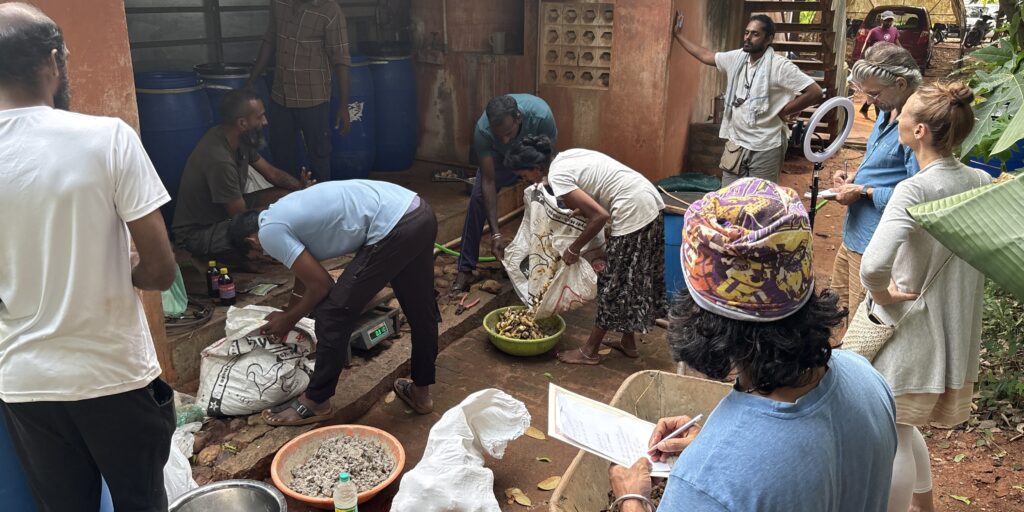
There is a common myth that imbalances in insect populations will disappear if agricultural systems are brought “back into balance.” This assumption rests on the idea that agriculture itself is a balanced ecosystem, which is fundamentally incorrect. Agricultural systems—even in their most natural forms—are human-designed systems, shaped by human needs, diets, and production goals. Home » Blog » Our Brewery for Plant Health Our Brewery for Plant Health December 2025 · Anshul Aggarwal There is a common myth that imbalances in insect populations will disappear if agricultural systems are brought “back into balance.” This assumption rests on the idea that agriculture itself is a balanced ecosystem, which is fundamentally incorrect. Agricultural systems—even in their most natural forms—are human-designed systems, shaped by human needs, diets, and production goals. While diversification and ecological practices can reduce the severity of pest outbreaks, they cannot eliminate them. Modern agriculture, which serves diets limited to a relatively small range of vegetables and fruits, necessarily restricts the diversity that can be accommodated on the farm. In this sense, persistent insect pressure is an inherent feature of agriculture. It cannot be completely resolved, only moderated through careful and continuous management (Oerke, 2005). Moreover, pest pressure today is shaped not only by on-farm diversity, but by the biology of the larger landscape and by changing climatic conditions. Research in agroecology and landscape ecology helps explain why pest pressure can remain high even in diversified farms. Studies show that while ecological practices like crop diversification and habitat enhancement can increase populations of natural enemies, they do not always translate into consistent pest suppression in every field because pest regulation depends strongly on landscape context and habitat structure beyond the farm boundary. For example, natural pest control tends to be stronger in complex, patchy landscapes, with abundant non-crop habitats that support predators and parasitoids, but this effect varies and is not guaranteed (Bianchi et al., 2006; Poveda et al., 2025). Another important limitation of ecological pest regulation lies in the difference between ecological and agricultural time scales. Predator–prey relationships, soil food webs, and habitat-based regulation often require many years to stabilise, whereas farms operate on seasonal cycles that demand immediate outcomes. Farmers must harvest crops within weeks or months, not decades. This temporal mismatch means that even ecologically well-designed farms often need active interventions to bridge the gap between long-term ecological recovery and short-term production needs. In our own production analyses, we found that we lose around 30% of certain crops due to insect damage. These include borers, mealybugs, hoppers, and beetles on brinjal; aphids on long beans; blister beetles on lady fingers and beans; and red gourd beetles on pumpkins, cucumbers, and other gourds—despite years of intercropping, flowering hedges, and multi-layered cropping systems. To prevent severe losses, we have so far relied on neem oil sprays and commercially available biopesticides such as Beauveria bassiana (a fungus) and Bacillus thuringiensis (a bacterium). While effective to a degree, these are purchased inputs. We have therefore been exploring more diverse, farm-made preparations such as Themmor Karaisal, Panchagavya, and fermented leaf extracts using plants like Calotropis, Adhatoda, castor, and moonflower—though not yet with full consistency. Our goal has never been a complete elimination of insects, but the cultivation of systems capable of tolerating a certain level of damage without catastrophic crop loss. So far, we have accepted around 30% as the fair share, our contribution to the ecology, the tax the farmer pays to the land for setting up agriculture. However, given the precarious financial situation on the farm as well as the pressure to deliver more food for the community, we are forced to re-assess if some of these losses can be avoided without damaging the ecosystem. Recently, we met the Aarka team (Elen and Shankar), who have developed formulations aimed at rebuilding functional ecological relationships that were historically embedded in farming systems, though under very different population, climatic, and landscape conditions. Their herbal preparation, Aarka, can be applied in dilution and combined with other ferments—such as oil mixes, fish amino acids, and Themmor Karaisal—for foliar sprays to reduce fungal, bacterial, and insect pressure. These bioferments not only prevent “pests” but also deliver essential herb compounds and micronutrients to the plants, strengthening them and building their own capacity to deal with biological pressures. We organised an afternoon of preparing these different formulations together with our team and developed a plan to use them more consistently, as part of an ongoing effort to reduce crop losses while working within the ecological limits of contemporary agriculture. Our brewery now consists of the following ferments: Aarka solution fermented with sugars and proteins Jeevamrit (fermented mix of cow dung and urine) Panchagavya (fermented mix of the five gifts from the cow–dung, urine, milk, curd, ghee) Themmor Karaisal (fermented mix of curd and coconut milk) Oil concoction (Castor, Mahua, Pongam and Neem oils) Fish amino acids (fish waste fermented with banana) Biopotash solution (ash in rainwater) In the coming days, weeks and months, we aim to consistently inoculate our soil and plant ecology with these ferments and observe the response in terms of plant health and productivity. There is a common myth that imbalances in insect populations will disappear if agricultural systems are brought “back into balance.” This assumption rests on the idea that agriculture itself is a balanced ecosystem, which is fundamentally incorrect. Agricultural systems—even in their most natural forms—are human-designed systems, shaped by human needs, diets, and production goals. While diversification and ecological practices can reduce the severity of pest outbreaks, they cannot eliminate them. Modern agriculture, which serves diets limited to a relatively small range of vegetables and fruits, necessarily restricts the diversity that can be accommodated on the farm. In this sense, persistent insect pressure is an inherent feature of agriculture. It cannot be completely resolved, only moderated through careful and continuous management (Oerke, 2005). Moreover, pest pressure today is shaped not only by on-farm diversity, but by the biology of the larger landscape and by changing climatic conditions. Research in agroecology
The Lost Generation of Farmers
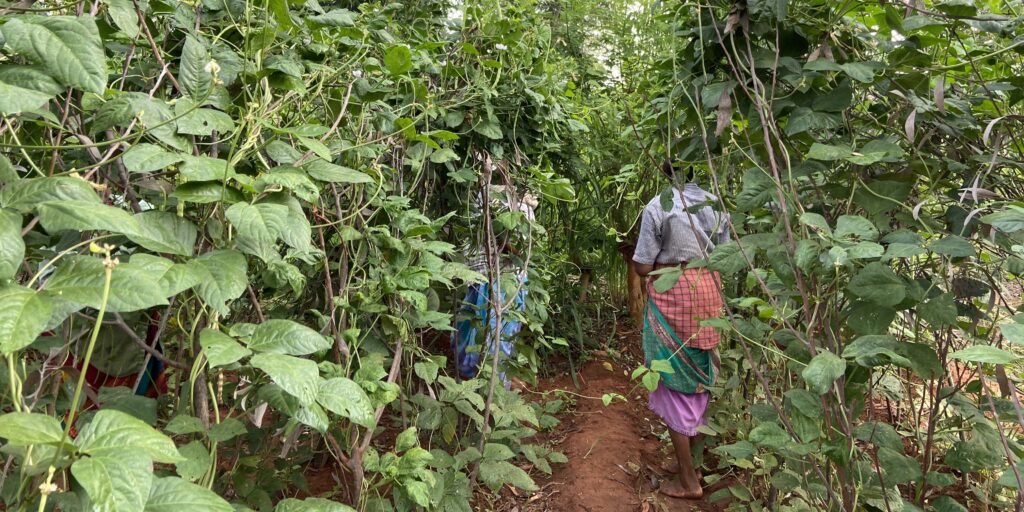
In Tamil Nadu, farm workers (cultivators and labourers) have dropped from ~62% of the total workforce in the state in 1981 to ~41% in 2001, and in a more recent study from 40% in 2012 to 22% in 2022 Home » Blog » The Lost Generation of Farmers The Lost Generation of Farmers December 2025 · Anshul Aggarwal “However they roam, the world must follow still the plougher’s team; Though toilsome, culture of the ground as noblest toil esteem.” — Thirukural | v. 1031 In Tamil Nadu, farm workers (cultivators and labourers) have dropped from ~62% of the total workforce in the state in 1981 to ~41% in 2001, and in a more recent study from 40% in 2012 to 22% in 2022 (Vijayabaskar, 2017; Gunasekar, 2025). The number keeps declining and is only representative of the same trend across the country and the world . The causes are complex and range from fragmentation of land leaving farming unviable on small lands (95% of farmers have land less than 5 acres), heavy work load, indebtedness, discrimination, lack of welfare schemes or accessibility and better paying opportunities as urban labour (Gunasekar, 2025). The National Sample Survey of 2005 reported that 40% of the farmers did not like farming and were of the opinion that, given a choice, they would take up some other career. 27% found it ‘not profitable’, another 8% reported that it is ‘risky’ and another 5% did not like it for ‘other reasons’. Research also shows that about 45 farmers commit suicide in India every day with an increase of 2.5% every year (Nagraj et al., 2014). These numbers are highly conservative as farmer deaths remain under-reported and farmers who do not own land, especially women and children are excluded (Haluwalia, 2025). The reasons again are complex ranging from socio-cultural, financial and psychological. Thus, youth is being lost from agriculture to the increasing urbanisation, we are also slowly bleeding out the existing farmers. Scholars have imagined this culmination of this shift into a “post-agrarian” state, a state of transition from agricultural sector to the manufacturing and service sector (Vijayabaskar, 2017) – eventually, a world without agriculture. In a recent article, Torero, the Chief Economist of the Food and Agriculture Organization of the United Nations, points out the declining number of people involved in agriculture, the rising median age of the current farming populations and the lack of job opportunities for young people. His thesis is that agriculture is more than just “growing food” and that young people can be lured into agriculture through tech-startups, supply chain solutions and so on. There is also a general sense amongst agrarian scholars that creating jobs in the urban sector will lead to social emancipation of agriculture workers. They largely suggest that as long as rural youth find quality jobs outside of the farms, the state would have exercised good political and social intervention. While this is appreciated, it still doesn’t answer the fundamental question- what agriculture can we have in the next fifty years if there are no farmers at all?– the farmers who are involved in “growing food”. Who will grow food in the coming decades if the post-agrarian paradigm was to be fully realised and leaves a vacuum in rural life and agricultural work? How can social, cultural and spiritual skills be reproduced that make the very foundation of agriculture? This story is even more stark in Auroville, where we aspire to be self-sufficient through karma yoga and spiritual realisation in material work. Out of the 2665 adult Aurovilians (Census 2025), only 49 are farming, and this includes part-time farmers as well. That’s less than 2% of Aurovilians working on the farms–1 Aurovilian farmer for 55 Aurovilians. This number is also one-third of the number of labour hired from the villages around Auroville for permanent or seasonal farmwork (around 140 people). We have outsourced our difficult work to the villages for cheaper labour while we engage in ‘higher’ pursuits of a spiritualised community. We must acknowledge that we are not only far from self-sufficiency in terms of food quantities, but also in terms of work despite the fact that the community keeps growing. Moreover, the median age of the existing farmers is rising with only a few young Aurovilians involved. So, where is the next generation of farmers of Auroville? And how can we even expect to have young people join the farms when the perception of farming is that of a ‘profession of poverty’, constant battle with wildlife, lack of acknowledgement for Auroville grown food within the community and a growing mistrust and lack of support (financial and otherwise) from the Auroville governance for farmers? In the last two years, AuroOrchard has made a deliberate effort to welcome new volunteers, newcomers and young Aurovilians on the farm by offering them an opportunity for different kinds of works (field work–vegetables, orchards, harvesting, cooking, food preservation, documentation, research, education). We now have 7 newcomers on the farm, learning about farming and helping us build a new team for the future. All these newcomers are supported directly by the farm with no support from the central fund. This puts a lot of financial pressure on the farm and restricts us from taking more young people and engaging them in meaningful work as they embark on their journey in Auroville. To support a new generation of farmers, we have started diversifying our income through preserved products from the farm and educational programs. And yet, this is not enough. This year, we are raising funds to support this young team. Additionally, we are trying to reason with the Auroville governance that this is worth investing in–for engaging newcomers as well as supporting one of the most crucial activities for sustenance and growth- growing food. We need a radical reorientation of our policy for the farms, which also means giving up all the neoliberal and capitalist measures that seem to have completely overtaken all aspects of Auroville’s work. Agriculture will need to be
The Dilemma of Animals in Agriculture
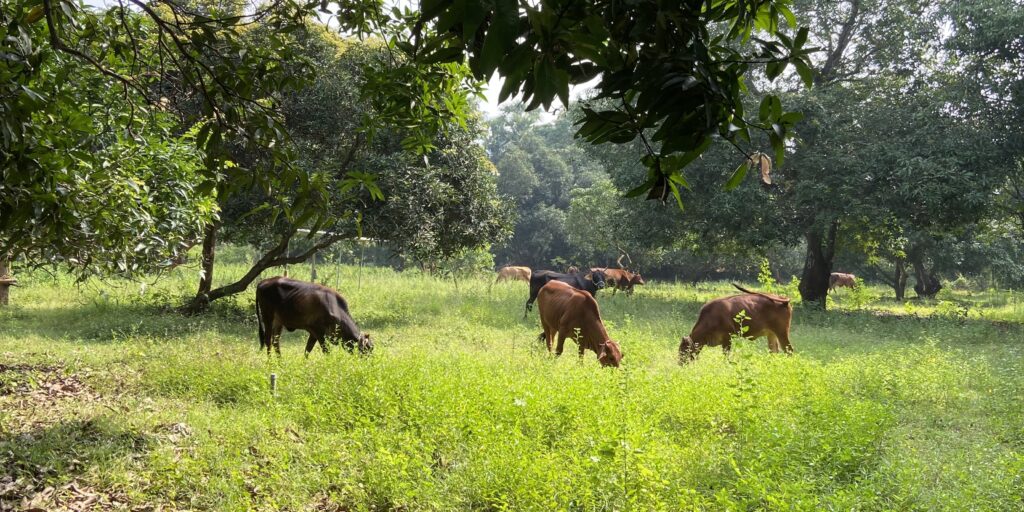
We would not need to go hunting for our connection to our food and the web of life that produces it. We would no longer need any reminding that we eat by the grace of nature, not industry, and that what we’re eating is never anything more or less than the body of Home » Blog » The Dilemma of Animals in Agriculture The Dilemma of Animals in Agriculture December 2025 · Anshul Aggarwal “We would not need to go hunting for our connection to our food and the web of life that produces it. We would no longer need any reminding that we eat by the grace of nature, not industry, and that what we’re eating is never anything more or less than the body of the world. I don’t want to have to forage every meal.” — Pollan, M., The omnivore’s dilemma: A natural history of four meals (2006), p. 378 According to analyses by the Sentience Institute (USA), over 90% of farmed animals globally are living in inhumane facilities known as “factory farms” at present. The intensive confinement of animals on these farms leads to a range of psychological and physical health problems, and many of these animals endure painful deaths on account of health complications caused by their breeding or environment. Some animals are debeaked, castrated, or mutilated in other ways without anesthesia. The stunning methods used to knock some animals unconscious before slaughter fail regularly, and errors on industrial slaughter lines result in atrocities such as nearly one million birds being boiled alive every year. Nearly all fish die by being painfully suffocated and crushed by other fish in nets that pull them out of the water. Of all land animals in factory farms, over 60% are chickens raised for meat, about 30% are chickens raised for eggs and about 10% are cattle, sheep and pigs. Large international surveys indicate that the vast majority of the global population— approximately 86–92% — consumes meat or other animal-based foods with only a small share identifying as vegetarian or vegan (Statista (2023); Ipsos (2018)). Global meat production has more than doubled since 1961 (OWD) and animal based protein makes up about 20% of the global diet (OWD). In a world where global demand for animal protein seems to be rising (OECD-FAO, (2025)), how can we reconcile the massive impact that animal farming has on animals as well as on our ecology and environment? Scientific evidence shows that humans started settling down as agricultural civilisations over ten thousand years ago. This move represents an important change for humanity from the wilderness of nature to an intentional participation with nature. It marks a separation of humanity from the forests, pointing to a self-discovery within the collective context of a polis. And animals like chickens, sheep, goats, cows and horses followed the humans into this agricultural polis–they became domesticated. What emerged was not merely a technical shift in food production, but a deep transformation in the human–animal relationship. For instance, the horse and the cow, especially in the Indian culture, represent power and knowledge respectively, the symbols of human evolution from the unconscious vital towards a great consciousness of self-reflexivity. They become important symbols of vedic rituals as well as metaphors of self-transcendence. Humans and animals have, therefore, shared a long domestic relationship of mutual interchange in the form of care and food, as well as a deep spiritual kinship. However, as agriculture becomes industrialised, this relationship of care has turned into a relationship of extraction–beings have turned into resources– only to be exploited for human consumption. Today, amidst multiple schools of farming and food possibilities, the farmers face the following challenges: “We would not need to go hunting for our connection to our food and the web of life that produces it. We would no longer need any reminding that we eat by the grace of nature, not industry, and that what we’re eating is never anything more or less than the body of the world. I don’t want to have to forage every meal.” — Pollan, M., The omnivore’s dilemma: A natural history of four meals (2006), p. 378 According to analyses by the Sentience Institute (USA), over 90% of farmed animals globally are living in inhumane facilities known as “factory farms” at present. The intensive confinement of animals on these farms leads to a range of psychological and physical health problems, and many of these animals endure painful deaths on account of health complications caused by their breeding or environment. Some animals are debeaked, castrated, or mutilated in other ways without anesthesia. The stunning methods used to knock some animals unconscious before slaughter fail regularly, and errors on industrial slaughter lines result in atrocities such as nearly one million birds being boiled alive every year. Nearly all fish die by being painfully suffocated and crushed by other fish in nets that pull them out of the water. Of all land animals in factory farms, over 60% are chickens raised for meat, about 30% are chickens raised for eggs and about 10% are cattle, sheep and pigs. Large international surveys indicate that the vast majority of the global population— approximately 86–92% — consumes meat or other animal-based foods with only a small share identifying as vegetarian or vegan (Statista (2023); Ipsos (2018)). Global meat production has more than doubled since 1961 (OWD) and animal based protein makes up about 20% of the global diet (OWD). In a world where global demand for animal protein seems to be rising (OECD-FAO, (2025)), how can we reconcile the massive impact that animal farming has on animals as well as on our ecology and environment? Scientific evidence shows that humans started settling down as agricultural civilisations over ten thousand years ago. This move represents an important change for humanity from the wilderness of nature to an intentional participation with nature. It marks a separation of humanity from the forests, pointing to a self-discovery within the collective context of a polis. And animals
Abundance Product of the Month

Have you tried our authentic sun-cured lemons preserved with Himalayan salt yet? They are bursting with flavours of lemons and are free from preservatives. Add them to your salads or curries to add a tangy depth. Home » Blog » Abundance Product of the Month Abundance Product of the Month December 2025 · AuroOrchard Salted & Sun-cured Lemon Have you tried our authentic sun-cured lemons preserved with Himalayan salt yet? They are bursting with flavours of lemons and are free from preservatives. Add them to your salads or curries to add a tangy depth. Order Here October 2025 Turmeric Flakes Our Turmeric roots have been sun-dried and turned into flakes that can be easily infused in some hot honey & lemon tea for the changing weather with a pinch of black pepper. Order Here September 2025 This cold pressed Coconut Oil has been made from coconuts picked from our Coconut poly-orchard with raised beds of bananas and several other plants to support the fertility of this orchard. With no preservatives added to this oil, it is a healthier alternative to the standard coconut oil available in the market. Order Here August 2025 Basil-Pesto Cashew Product Description: This pesto is rich with AuroOrchard Cashew and Basil both of which we have in abundance at the moment. We use very little oil (one-third) necessary for blending and preventing oxidation. Order Here June 01, 2025 · Anshul Aggarwal Over the last months, we have processed our fresh produce which is in abundance into a variety of products that are available directly from the farm. We hope to slowly expand this activity into a more consistent and significant part of the farm. As the consumption of Auroville produce continues to drop, we feel this is one way we can still offer Auroville grown produce to people within and outside of Auroville. Order Here Previous Article Featured Articles Abundance Product of the Month 05 Dec 2025 Monthly Updatesㅤㅤㅤㅤㅤㅤㅤㅤ 28 Nov 2025 Glimpses of a solar futureㅤㅤㅤㅤ 05 Dec 2025 Flow of fire and water on the farmㅤㅤ 03 Dec 2025