Open Learning Sessions at the farm
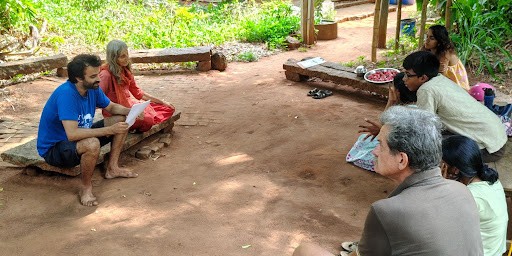
For the last many months, we have been organising learning sessions on the farm every week, opening up the space for people to share their ideas around ecology, agriculture, communication and life Home » Blog » Open Learning Sessions at the farm Open Learning Sessions at the farm September 2026 · Charan GP For the last many months, we have been organising learning sessions on the farm every week, opening up the space for people to share their ideas around ecology, agriculture, communication and life. Our intention is to create a welcome space for dialogue and collaborative action, which are fundamental to developing a conscious food system. The sessions are hosted on Friday or Saturday afternoons for a couple of hours. They are open for the entire community and bioregion, volunteers, guests and visitors. There is no charge for the sessions but people can contribute voluntarily. So far, around 350 people have participated in these sessions over the last six months. Some of the recent sessions were: Mapping Biodiversity This was facilitated by Andres Acosta, bringing together citizen science, biodiversity observation, and climate resilience. Participants learned the basics of the iNaturalist app and explored the DPSIR framework to understand the relationships between human activity, environmental change, climate impacts, and possible responses. A guided walk around AuroOrchard provided an opportunity to observe and document the diverse plants, insects, birds, and other forms of life found across the farm. The workshop was a hands-on exploration of the biodiversity around us and a reminder of how everyday observations can contribute to a deeper understanding of our ecosystems. This workshop also marked the introduction to a larger study being conducted at AuroOrchard by Andres and Anshul, on the impacts of climate change on agriculture and how the farm practices respond/could respond to them. Conscious Animals This session with Jasmine and Vivekan opened a conversation about our relationships with animals and the role they play in our lives. Drawing from their own journeys of living and working closely with animals, they shared observations from the farm, encounters with farmers, and experiences that have shaped their understanding of care, coexistence, and responsibility. A recurring thread was how animals can become our teachers. Through being with them, observing them, and caring for them, we are invited to slow down, pay attention, and notice qualities that often go unseen in our daily lives. The conversation moved through farming, food, sanctuaries, animal welfare, and the many ways animals have traditionally been part of larger living systems connecting people, land, and community. Conscious Technology and the Future of Farming In this session by Azha, we explored if and how technology can support agriculture while remaining connected to nature? With Artificial Intelligence, the Internet of Things, sensors, automation, and data increasingly entering agriculture, the session explored how these tools can support farmers and ecological stewardship, alongside reflection on human consciousness. At the Lab, we are experimenting with smart irrigation, automation, sensors, and data-driven farming practices to reduce water wastage. The session introduced this ongoing work and offered space to learn, question, and reflect on the relationship between technology, ecology, and the future of farming. Low-Tech Mushroom Cultivation In this workshop with Ishan, participants explored simple, low-cost ways to grow mushrooms using locally available farm residues and household waste. From understanding fungi and preparing substrates to making mushroom buckets, the workshop offered practical ways to bring fungi into farms, gardens, and backyards. We also explored how spent mushroom buckets can be transformed into fungal beds, helping improve soil health and close the nutrient cycle. Each participant prepared a bucket for growing pink oyster mushrooms to take home and continue experimenting with this simple, replicable system. Thinking Like an Ecosystem: From Metacrisis to Regeneration A two-hour workshop with Rahul Tola brought several threads together through whole systems thinking. The session explored the interconnected ecological, social, and economic challenges of our time. Drawing inspiration from nature and the principles of permaculture, Rahul invited us to think like an ecosystem: to notice relationships and patterns, and to consider how these shape resilience and regeneration. Through interactive discussions and reflection, participants explored how a systems perspective can help us understand complexity and inform the ways we design and work. Watch the recording We are grateful to the facilitators and everyone who joined us, bringing their experiences, questions, and willingness to learn. The Secret Life of Honeybees Erik Jansegers offered us an introduction to honeybees and natural beekeeping. Drawing on more than a decade of working with bees in France and India, he shared experiences of different species, habitats, and hive designs, and ways of keeping bees in greater harmony with their natural behaviour. We explored four species found in our region: Apis dorsata, the giant rock bee; Apis florea, the dwarf honeybee; Apis cerana, the Asian honeybee; and Tetragonula iridipennis, a native stingless bee. Each has its own way of building nests, raising young, storing food, and adapting to its surroundings. The session offered a glimpse into life within a colony, from the roles of queens and workers to swarming and the organisation of brood, pollen, and honey within the hive. Erik also shared practical experiences of hive design, swarm management, harvesting, and feeding, encouraging us to observe bees closely before deciding how to intervene. A central theme was looking beyond honey as the main reason for keeping bees. For an orchard, pollination is an important contribution bees make. We reflected on the flowering plants, suitable habitats, and food resources they need through changing seasons, and how the farm can create conditions where bees and orchards thrive together. Rooted in Health Dr. Anurag offered an engaging session on Health, Nutrition & Lifestyle Medicine at Pebble Garden, Auroville. The session explored how soil, food, movement, and our environment influence human health, and what it means to shift our focus from treating illness towards prevention. We looked at the modern health burden and the role of food and nutrition, with a deeper exploration of micronutrition and the
Initiating the Centre for Mango Conservation…
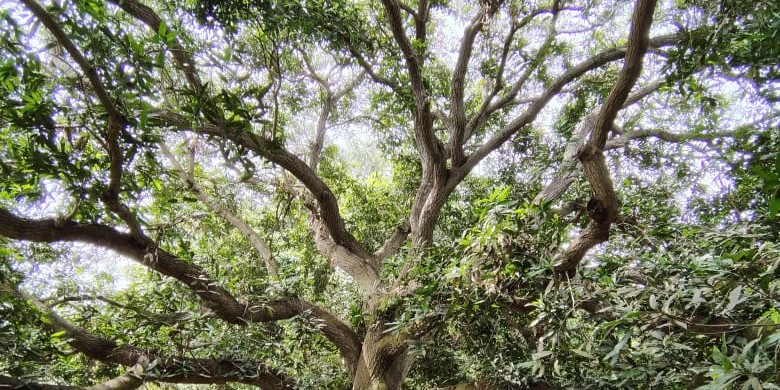
We get asked this question quite a lot! As Permaculture becomes more and more popular and perhaps projected as a wonderful solution for diversity and abundance, it is a general perception that “being a Permaculture farm” is the next big innovation in farming. ⠀⠀⠀⠀⠀⠀⠀⠀⠀⠀⠀⠀⠀⠀⠀ Home » Blog » Initiating the Centre for Mango Conservation & Research Initiating the Centre for Mango Conservation & Research July 2026· Anshul Aggarwal & Charan GP This year’s abundant mango harvest has felt like an auspicious beginning to the work of establishing a Centre for Mango Conservation & Research at AuroOrchard. The orchard has offered mangoes in a remarkable range of shapes, colours, fragrances, flavours and textures. Some are well-known varieties, while others are local, distinctive or still unidentified trees that have grown at AuroOrchard for many years. The harvest has brought renewed attention to the diversity already present here and to the importance of documenting and conserving it. India has one of the richest mango traditions in the world. Across different regions, hundreds of varieties have been selected, named, cultivated and shared over generations. Each carries its own flavour, use, growing characteristics, cultural associations and relationship with a particular place. Yet this diversity is becoming less visible as markets increasingly favour a smaller number of standard commercial varieties. Over the next three years, we hope to develop AuroOrchard’s existing mango orchard into a living collection of more than 100 varieties. This will include local, heritage, rare, regional and traditional mangoes, along with important commercial varieties and promising seedling selections. Our mango orchard currently contains 210 trees and more than 15 known varieties. The main orchard blocks were first surveyed and mapped and the trees were numbered in 2022. We have again surveyed the orchard and the existing records are being updated. This year’s harvest has also allowed us to begin observing and recording the flavour, fragrance, texture, colour and ripening period of the different fruits. The project is being developed in collaboration with Shyju Machathi and the Nattu Manchottil Educational and Indigenous Fruit Plants Conservation and Research Trust in Kerala. Shyju and the Nattu Manchottil community have played an important role in identifying, conserving and propagating indigenous mango varieties. In recognition of this work, the community received the Plant Genome Saviour Community Award in 2021. Their experience in identifying varieties, collecting scion material, grafting, nursery development and community-based conservation will help guide the work at AuroOrchard. The proposed Centre will include a living mango diversity collection, a professional nursery for grafted plants, a research and documentation programme, and a learning space for farmers, students, volunteers, researchers and visitors. We also hope to organise mango walks, tastings, exhibitions, grafting workshops and other programmes that allow people to experience mango diversity directly. Through this Centre, we hope AuroOrchard can become a home for mango varieties that may otherwise be forgotten, and a place where this diversity can continue to be grown, tasted, studied, propagated and shared. Previous ArticleNext Article Featured Articles Dry Tropical Syntropic Agroforestry 30 Jul 2026 Initiating the Centre for Mango Conservation… 29 Jul 2026 Dry Tropical Syntropic Agroforestry 30 Jul 2026 Initiating the Centre for Mango Conservation… 29 Jul 2026
Grains: The Food of Survivalㅤㅤㅤㅤ
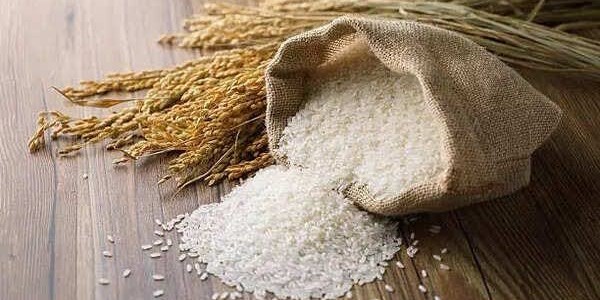
An exploration of grains through history and the relationship between body and land Home » Blog » Grains: The Food of Survival Grains: The Food of Survival May 2026 · Charan GP An exploration of grains through history and the relationship between body and land. Have you noticed what happens after you eat a meal, especially lunch? The body often slows down. The eyes feel heavy. There is an urge to lie down, to rest, sometimes even to sleep. This response is so common that it rarely raises questions. Food is usually described as something that gives energy. Yet the experience of eating often leads to the opposite. Instead of lightness or alertness, there is heaviness. Instead of movement, there is stillness. This contrast stayed with me long before I had words for it. If food is meant to nourish, how do we recognize nourishment? Is it simply the feeling of fullness in the stomach, or is it the quality of energy that follows a meal? Does nourishment mean being filled, or does it mean feeling alive and available after eating? Growing Up on Grains Growing up, grains were the unquestioned center of every meal. Breakfasts were often idlis or dosas. At times, bread or fried items made their way onto the plate. Lunch almost always meant rice, accompanied by curries. Dinner shifted to wheat, usually in the form of chapatis or other Indian breads. Grain was not just part of the meal. It was the meal. Everything else existed around it. Fruits were occasional. Vegetables were present, but secondary. A meal without rice or wheat felt incomplete, as though something essential was missing. This was not explained or discussed. It was simply how food was understood. My grandfather often spoke of the days when millets like ragi were the norm. He would recall how white rice was once a “rich man’s food,” eaten rarely, a symbol of status. Now, it has become the most common staple a quiet reversal of what once was. The Same Pattern Across Continents Years later, while traveling across Africa and other countries, this pattern resurfaced in a different form. For instance across ten countries i traveled in Africa, from Southern Africa to eastern regions and further north, the structure of meals felt familiar. In Southern African countries, maize formed the base of their diets. In eastern regions, wheat and rice became more prominent. Further north, rice and wheat appeared again as staples. The names, textures, and preparations varied, but the reliance on a single dominant grain remained constant. How Grains Entered the Picture Grains have existed alongside humans for thousands of years, but their dominance is relatively recent after the large-scale agriculture. Rice and wheat existed, but they did not define every meal. In India, millets were widely consumed and region-specific. They grew with less water and supported local ecosystems. The shift began when food needed to be stored, transported, taxed, and controlled. Grains suited this purpose well. They could be dried, preserved, counted, and accumulated. Over time, what was convenient for systems became essential for people. Food slowly moved from being seasonal and diverse to being standardized and centralized. The Green Revolution and the Shift in the Land The Green Revolution accelerated this transformation. High-yield varieties of rice and wheat were introduced with the promise of food security. Irrigation expanded. Chemical fertilizers and pesticides became common. Production increased, but diversity declined. Millets and traditional crops were gradually displaced. Government ration systems reinforced rice and wheat as staples, shaping not just farming practices but eating habits as well. The plate narrowed, even as yields rose. Hybridization further deepened this change. Traditional varieties of rice and wheat, once regionally adapted and nutrient-rich, were replaced by uniform, high-yield hybrids. Local strains disappeared quietly, leaving behind only a handful of varieties grown on vast tracts of land. What began as an agricultural innovation slowly became a biological narrowing. What Grains Do to the Land Grain cultivation reshapes the land. Rice, especially, demands large amounts of water. Monocropping draws heavily from soil nutrients. Over time, soils lose vitality and depend increasingly on external inputs. Fields that once supported multiple crops become devoted to a single one, season after season. Biodiversity fades quietly. The land continues to produce, but often at the cost of resilience. From Land to Body What happens to the land often finds an echo in the body. Systems built for efficiency tend to extract more, whether from soil or from digestion. Just as soil requires support to keep producing under monocropping, the body often requires rest after grain-heavy meals. Energy turns inward. Movement slows. The parallel is subtle, but present. Grains and the Human Body Grains are the seeds of grasses. Biologically, they are designed to propagate, not to be easily digested. Humans lack the digestive adaptations seen in animals that naturally consume grains, such as birds. When observing grains closely, another question arises. When we see fruit, there is often an immediate sensory response. Color, aroma, taste. There is a natural pull. With grains, this is rarely the case. Rice, bread, or wheat by themselves do not usually call to the senses. They require something added a curry, oil, salt, spices, sauces. By themselves, grains seldom invite consumption. Digesting grains also demands significant energy. They are dense, complex, and slow to break down. The body allocates resources to digestion, which may explain the familiar lethargy and sleepiness that follows grain-heavy meals. Energy, Digestion, and Fatigue Digestion is an active process. When food is complex and dense, more energy is directed inward. Blood flow shifts toward the digestive system. The rest of the body slows. This may help explain why meals centered on grains often lead to heaviness rather than vitality. Energy that could support movement or alertness is redirected toward processing what has been consumed. A Personal Shift Over time, my relationship with grains changed through experimentation. I moved from white rice to fiber-rich varieties like brown rice and traditional strains such as
Salt: How a Tiny Crystal Took Over Our Meals

Have you ever wondered what foods you could actually eat without salt? How did this tiny crystal become such a central part of our meals? Home » Blog » Salt: How a Tiny Crystal Took Over Our Meals Salt: How a Tiny Crystal Took Over Our Meals April 2026 · Charan GP Have you ever wondered what foods you could actually eat without salt? How did this tiny crystal become such a central part of our meals? Over time, salt found its way into our kitchens and food outlets, quietly becoming an assumed necessity in many meals. We often think it is essential to our health, yet its presence is so familiar that few of us pause to question it. I have been salt-free for nearly four years, and during this time, my blood markers have consistently remained normal, without any sodium deficiency. My body naturally gets the sodium it requires from fruits and raw foods, without any added salt. Salt in History Salt has been valued by humans for thousands of years. Archaeological evidence shows that humans were mining and using salt at least 8,000 years ago during the early days of agriculture. As people began storing and preserving surplus crops and meat, salt became essential for preventing spoilage. It allowed food to survive long journeys, harsh seasons, and trade routes. This gave salt enormous economic and strategic value. Roman soldiers were sometimes paid in salt, giving rise to the word salary. Centuries later, salt became a symbol of control and resistance, most famously during Gandhi’s Salt March. Salt became deeply embedded in human culture because of food preservation, trade, and survival needs. In modern times, refrigeration and storage have replaced that role, but salt remains central to our meals, largely due to habit, taste, and the subtle addiction it creates. Humans and Salt: A Unique Relationship No other species seasons its food. Animals eat what nature provides, obtaining minerals naturally from plants, water, and soil. Humans are the only species that isolates, refines, and adds salt back into their meals. Salt stimulates appetite, encourages us to eat more than the body actually needs, and subtly keeps us returning to it meal after meal. My Experience Without Salt When I shifted fully into eating raw foods, my meals became simple: fruits in the morning, fruits in the evening, and salad in the afternoon. I never felt the need to add salt. Salt naturally left my diet without effort. In fruits, I simply did not add any. In salads, I knew that adding salt would draw out the liquid, so it was unnecessary. Over time, salt quietly lost its place. Today, I cannot eat food with added salt; it overwhelms my taste buds. Without salt, I can fully taste the vegetables, fruits, and raw foods I eat. Food that once felt bland now feels complete. Sodium and Salt: A Medical Perspective People consume salt mainly to provide sodium chloride, which is necessary in small amounts for nerve function, fluid balance, and other physiological processes. However, the sodium the body requires is already naturally present in whole foods, such as fruits, vegetables, and leafy greens, without needing added table salt. Recommended Limits versus Reality Health guidelines suggest no more than 5 grams of salt per day, roughly one flat teaspoon, including all sources. This is the combined amount from cooking, snacks, and processed foods. In reality, most people consume far more: Cheese: one-third to one-half teaspoon per two slices Packaged snacks or chips: half a teaspoon or more One restaurant meal: one to two teaspoons or more Salt inside the body pulls water toward itself. The body responds by holding extra water to dilute it. Over time, this water retention can strain arteries, thicken the blood, and burden the kidneys and heart. Salt preserves food, and inside the body, it acts in much the same way: storing water, affecting circulation, and stimulating appetite. Observing Salt Intake My invitation is simply to notice the amount of salt being taken in during a day. This includes not only what is added to food but also the salt already present in packaged foods, snacks, and meals prepared by others. It is also interesting to see what foods can be eaten without salt, quietly observing and exploring. Previous ArticleNext Article Featured Articles Monthly Updatesㅤㅤㅤㅤㅤㅤㅤㅤ 29 Apr 2026 Sweet Potato & Pumpkin Gnocchi with Basil Pesto 28 Apr 2026 Salt: How a Tiny Crystal Took Over Our Meals 28 Apr 2026 The Six Seasons of Aurovilleㅤㅤㅤㅤ 28 Apr 2026
Eating With the Daylightㅤㅤㅤㅤㅤ
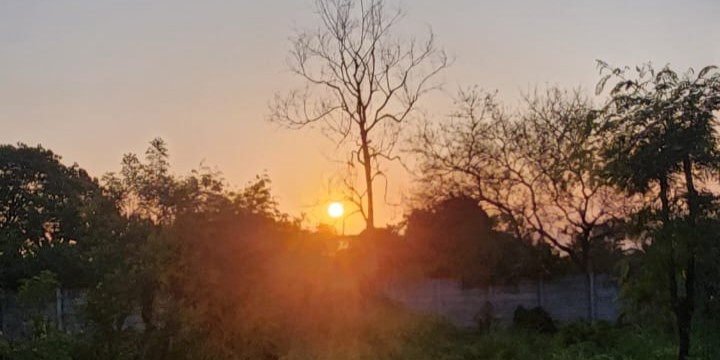
Life on Earth moves in a rhythm shaped by the sun. As daylight arrives, nature slowly comes alive. Birds begin to chirp, plants respond to light, and activity across ecosystems increases. As the sun rises higher, energy builds. Around midday, this energy reaches its peak. As evening approaches and the sun begins to set, activity gradually slows, preparing all living beings for rest. Home » Blog » Eating With the Daylight Eating With the Daylight March 2026 · Charan GP “Insights into the connection between sunlight, circadian rhythm, and the body’s digestive and sleep cycles.” Life on Earth moves in a rhythm shaped by the sun. As daylight arrives, nature slowly comes alive. Birds begin to chirp, plants respond to light, and activity across ecosystems increases. As the sun rises higher, energy builds. Around midday, this energy reaches its peak. As evening approaches and the sun begins to set, activity gradually slows, preparing all living beings for rest. The human body is deeply connected to this same rhythm. This daily cycle of light and darkness regulates what is known as the circadian rhythm, the internal body clock that influences sleep, wakefulness, hormone release, digestion, metabolism, and repair processes. The body does not function randomly. It responds continuously to the presence or absence of light. Sunlight and Digestive Capacity One important aspect of circadian rhythm is digestion. Digestive strength is closely aligned with daylight. As the sun rises and energy increases, the body’s ability to digest, absorb, and metabolise food also increases. Around late morning to early afternoon, when the sun is near its peak, digestive activity is at its strongest. As the day moves toward sunset, digestive capacity naturally declines. When food is eaten late in the evening, the body must stay active digesting at a time meant for slowing down, repair, and rest. Energy that could support deep sleep is instead diverted toward digestion. Many people notice this through experience. After eating a heavy meal at night, the body may still feel bloated or heavy the next morning. Sleep may feel light or incomplete, and waking up does not always bring a sense of freshness. Observation Through Experience For many years, despite sleeping for enough hours, I often woke up without feeling rested. A simple question kept coming up. Why do I not feel fresh after sleep? This curiosity led me to observe my eating patterns. Growing up, dinner was usually between 8 and 9 pm. In my early twenties, I began experimenting by eating earlier. First around 7 pm, then 6 pm, and sometimes skipping dinner altogether. Over time, changes became noticeable. Sleep felt deeper, mornings lighter, and energy more stable through the day. For the past several years, this exploration has continued. Currently, I finish my meals within a four-hour window, usually between 10 am and 2 pm, followed by a fasting period of about twenty hours. This timing closely follows daylight hours and the natural rise and fall of energy in the body. Breaking the Fast Gently When the body wakes up in the morning, it has just come out of a fasting state. At this time, the system is sensitive and receptive. Just as a vehicle starts in first gear before moving into higher gears, the body also benefits from a gentle beginning. Hydrating and easily digestible foods support this transition. Fresh fruits, fruit juices, coconut water, and green juices etc provide hydration and light nourishment without burdening the digestive system. As the day progresses and sunlight increases, denser foods can be introduced, when the body has more energy and time available for digestion. Circadian Rhythm and Artificial Light The circadian rhythm is the body’s internal clock, regulated mainly by light and darkness. Morning sunlight signals the body to wake up, activate digestion, and increase alertness. As daylight fades, the body naturally prepares for rest through the release of melatonin, which supports deep sleep and recovery. Exposure to artificial light, especially blue light from mobile phones and screens, after sunset can disrupt this process. Blue light mimics daylight and can signal the body to stay alert when it should be slowing down. This can delay melatonin release, reduce sleep quality, and limit the body’s ability to rest and repair. Just as eating late keeps digestion active at night, prolonged screen exposure after sunset keeps the nervous system active, reducing the depth and effectiveness of sleep. Living in Alignment The circadian rhythm is not something external to follow. It is already functioning within the body. Paying attention to light, food timing, and rest allows the body to work with less resistance. A simple reflection can be useful. Have you noticed how your body feels after eating something heavy at night? Or how screen exposure late into the evening affects your sleep and energy the next morning? Observing these signals, without forcing change, often reveals what the body naturally prefers. The sun rises and sets each day without effort. When daily life begins to align more closely with this rhythm, the gut, sleep, and energy often respond with greater ease. Previous ArticleNext Article Featured Articles Monthly Updatesㅤㅤㅤㅤㅤㅤㅤㅤ 25 Mar 2026 Year-end updatesㅤㅤㅤㅤㅤㅤㅤㅤ 20 Dec 2025 Food Sovereignty and Seeds of AuroOrchard 28 Mar 2026 Eating With the Daylight 26 Mar 2026
Hunger: A forgotten language
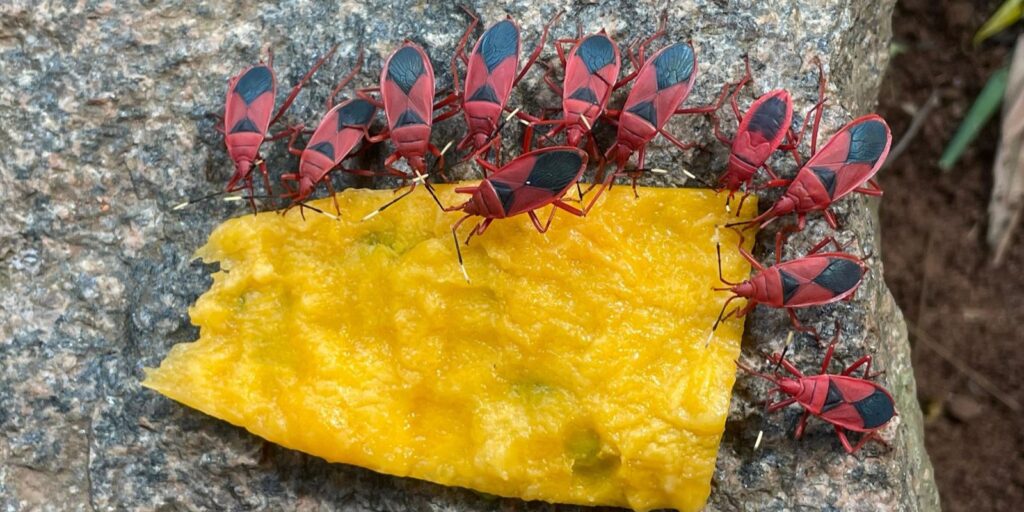
Before speaking about food, nutrition, or health, there is a quieter and more fundamental question that often goes unasked: What is hunger? Home » Blog » Hunger: A forgotten language Hunger: A forgotten language February 2026 · Charan GP Before speaking about food, nutrition, or health, there is a quieter and more fundamental question that often goes unasked: What is hunger? Where do you feel it in your body? Is it in your stomach, your throat, your mouth, a readiness to receive food? Or is what we call hunger shaped by other rhythms: the time of day, emotion, or habit? When was the last time you were truly hungry and had a meal? Eating by Time, Not by Need Growing up our meals are often organized almost entirely by time. Breakfast in the morning, lunch in the afternoon, dinner at night, with snacking woven in between. School bells, schedules, and later work routines dictates when to eat. Hunger, the word itself, becomes distant, less a lived experience, more a concept tied to routine. From Bodily Clarity to Conditioning A baby knows hunger clearly. When a baby is hungry, it cries. When it is full, it does not eat. There is no persuasion, no logic, no routine. The communication is direct and embodied. Slowly, feeding is aligned with adult schedules and convenience. Over time, the clarity of hunger dulls. What begins as responsiveness becomes routine. By adulthood, most of us are better at following the clock than listening to the body. Hunger in Nature-+ licated. Animals eat when they are hungry. If food is not available, they wait. They fast. Wild animals do not graze continuously; they eat when the body calls. Domesticated animals are conditioned to schedules, but instinct still speaks. In the wild, movement, effort, and hunger are connected. Physical activity prepares the digestive system. Food is earned through engagement with life. Modern human life looks different. We sit for long hours. We move little. Yet we eat frequently, often more than our ancestors ever did. The Invention of Breakfast For much of human history, there was no universal concept of breakfast as we know it today. Many traditional cultures ate one or two substantial meals a day, often after physical work had already begun. The modern idea of breakfast emerged alongside industrialization. Factory schedules, school timetables, and long working hours required predictable energy intake. Food had to be quick, standardized, and easily distributed. Cereal companies seized this opportunity. By promoting grains as essential morning fuel, they introduced the notion that skipping breakfast was unhealthy, even dangerous. Marketing framed breakfast as the most important meal, not because the body demanded it, but because industry required it and products needed to be sold. Over time, this industrial solution became a cultural norm, reaching Indian households and blending with local food habits. What began as a strategy for consumption became unquestioned tradition. Eating Without Hunger When food is eaten without hunger, the experience changes. Have you noticed how food tastes when you are truly hungry? Even the simplest, bland meal feels satisfying, alive, enough. When hunger is absent, even the most elaborate meal can feel dull. The body seeks stimulation instead of nourishment: more spice, more salt, more sugar, more intensity. This is not a failing; it is a sensory response. Appetite becomes craving. Digestion, Fatigue, and Stimulation Digestion requires energy. It draws on what many traditions call prana or nerve energy. When the body is genuinely hungry, digestion flows easily. Enzymes respond. Energy moves. When food arrives without hunger, digestion becomes work. Energy is pulled inward, and the body feels heavy, sluggish, or sleepy. To counter this, we reach for external stimulants: tea, coffee, sugar. These provide temporary lift but do not restore underlying energy. The cycle quietly repeats. Availability, Habit, and Overfeeding Another layer is availability. Food today is constantly accessible. It arrives with a click or a short walk. There is little waiting, no effort. Hunger cues blur. Habit takes over. Our ancestors worked for food, moved for it, and ate in response to genuine need. Today, we eat because it is there, not always because the body calls. An Ongoing Inquiry I am still learning this myself everyday to listen to the body and feed when hungry. It is not simple when decades of habit have trained the body to ignore its signals. Sometimes thirst can also be confused with hunger. Hunger is not an idea. It is a sensation, a communication, a relationship. Perhaps the question is not how often we eat or what we eat, but whether we are listening at all. An Invitation For your next meal, take a moment to feel your body and check what is guiding you to feed. I am curious to hear your reflections and insights. Previous Article Featured Articles Monthly Updatesㅤㅤㅤㅤㅤㅤㅤㅤ 25 Feb 2026 Year-end updatesㅤㅤㅤㅤㅤㅤㅤㅤ 20 Dec 2025 Hunger: A forgotten language 26 Feb 2026 The World of Bananasㅤㅤㅤㅤㅤㅤ 25 Feb 2026
The World of Bananasㅤㅤㅤㅤㅤㅤ
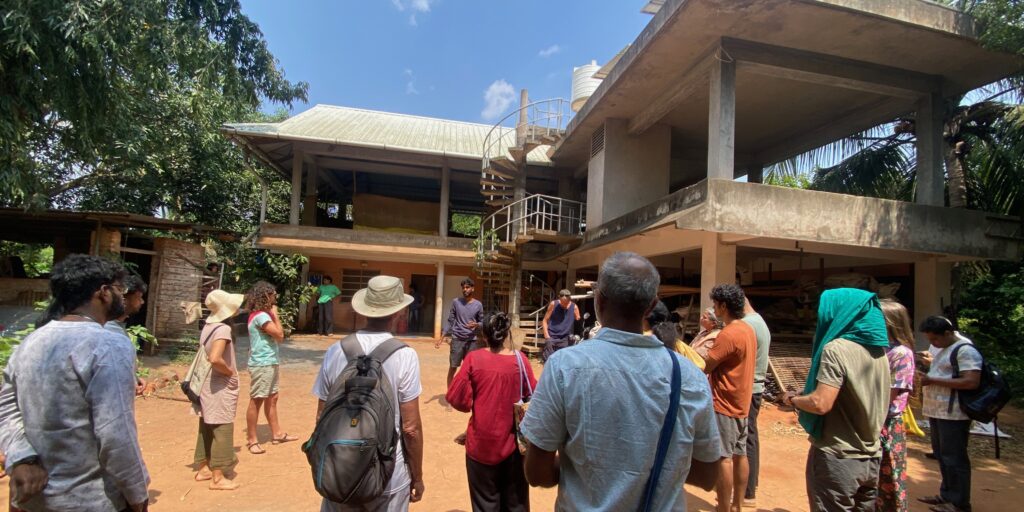
We recently hosted a beautiful knowledge sharing session on bananas with Vinod Sahadevan Nair, whose ㅤ ㅤ Home » Blog » The World of Bananas The World of Bananas Febuary 2026 · Charan GP We recently hosted a beautiful knowledge-sharing session on bananas with Vinod Sahadevan Nair, whose deep passion and lifelong work with banana diversity inspired everyone present. He shared his journey, cultural associations of bananas across regions, and practical insights into cultivation, propagation, and managing diverse varieties in a sustainable way. The session explored the many dimensions of bananas, from their nutritional value and health relevance to the wide range of uses from fruit, stem, flower, and leaves. Farmers and growers from Auroville actively participated, asking thoughtful questions on cultivation practices, disease management, and varietal selection, making it a rich and interactive exchange. The gathering concluded with a visit to the banana plantation at Auro Orchard, where participants could observe the diversity and growing systems more closely. Watch the entire session here We recently hosted a beautiful knowledge-sharing session on bananas with Vinod Sahadevan Nair, whose deep passion and lifelong work with banana diversity inspired everyone present. He shared his journey, cultural associations of bananas across regions, and practical insights into cultivation, propagation, and managing diverse varieties in a sustainable way. The session explored the many dimensions of bananas, from their nutritional value and health relevance to the wide range of uses from fruit, stem, flower, and leaves. Farmers and growers from Auroville actively participated, asking thoughtful questions on cultivation practices, disease management, and varietal selection, making it a rich and interactive exchange. The gathering concluded with a visit to the banana plantation at Auro Orchard, where participants could observe the diversity and growing systems more closely. Watch the entire session here Key Learnings from the session for the current and future AuroOrchard plantations 1. Variety-Specific Needs Matter One of the most important learnings is that each banana variety has different requirements in terms of water, nutrients, spacing, and care. For instance, red banana varieties require comparatively higher water and manure, especially during the initial establishment stage. Treating all varieties the same can affect their growth and overall health. 2. Sprouting and Establishment Differ by Variety We observed that different banana varieties sprout at different rates and show varied early growth patterns. This highlights the importance of patient observation during the first few weeks rather than assuming uniform growth across all planted suckers. 3. Soil and Climate Suitability is Crucial Planting multiple banana varieties also became a living experiment to understand how each variety responds to the local soil and climate conditions. Not every variety adapts equally, and observing their response helps identify which ones are best suited for the specific microclimate of the orchard. 4. Spacing Requirements Vary Across Varieties Certain varieties, especially larger ones like red banana, require wider spacing for healthy growth, while some smaller or compact varieties can thrive with relatively less spacing. Proper spacing ensures better sunlight exposure, airflow, and root development. 5. Importance of Sunlight Banana plants require good sunlight for healthy growth. Adequate exposure supports stronger vegetative development and overall plant vigor, especially in the early stages after planting. 6. Handling and Transport of Suckers A practical learning was that banana suckers are quite resilient and can be transported and stored under shade for about one to two weeks without major issues, provided they are handled properly and not exposed to harsh sun or waterlogging. 7. Diversity in Taste, Texture, and Cultural Value Each banana variety differs in aroma, texture, taste, and cultural relevance. This diversity reflects not only agricultural richness but also the cultural and traditional significance associated with different banana types. 8. Water Management During Early Growth Due to excessive water accumulation in some planted areas, we had to cut the top portion of certain sprouts that were submerged. This reinforced how sensitive young banana plants are to waterlogging and the need for proper drainage management. 9. Bed Management and Animal Disturbance After clearing the beds, chickens and ducks from neighboring land frequently entered and dug into the soil in search of food, especially because the beds were bare and weed-free. This created a new challenge in protecting early sprouts, leading to the consideration of netting and protective measures. 10. Intercropping Observations Pumpkins were planted alongside the banana plants as a companion crop. While bananas are expected to take around 9 to 12 months for harvest, pumpkins are establishing well and are likely to be harvested earlier, around May. This supports better land use and short-term productivity. 11. Previous Crop Influence (Papaya) Before bananas, the beds had papaya plants that showed signs of viral infection and gradual decline. Many affected plants had to be removed, and this raised the need to assess soil health, identify possible root causes, and take corrective steps for long-term resilience of the plantation. 12. Early Growth Monitoring Phase Encouragingly, almost all planted banana suckers have sprouted. The next one to one and a half months will be critical for observing shoot health, vigor, and overall establishment to ensure strong future growth. 13. Adaptive Learning Through Observation Overall, the plantation is evolving as a dynamic learning space, where continuous observation of plant response, soil condition, water management, biodiversity, and protection methods is guiding more informed and context-specific cultivation decisions. Key Learnings from the session for the current and future AuroOrchard plantations 1. Variety-Specific Needs Matter One of the most important learnings is that each banana variety has different requirements in terms of water, nutrients, spacing, and care. For instance, red banana varieties require comparatively higher water and manure, especially during the initial establishment stage. Treating all varieties the same can affect their growth and overall health. 2. Sprouting and Establishment Differ by Variety We observed that different banana varieties sprout at different rates and show varied early growth patterns. This highlights the importance of patient observation during the first few weeks rather than assuming uniform growth across all planted suckers. 3. Soil and Climate
Eating for Nourishment or Habit: A personal …
My name is Charan. For the past several years, I have been exploring my relationship with my body and mind. I’ve done this by observing how my body responds to different foods, routines, and environments, and by learning from people around the world who are asking similar questions. Over time, this exploration has helped me understand my body more clearly and simply. At its core, it has been driven by a quiet longing to feel free and at ease in this body, something I had not fully experienced before. As this inquiry deepened, more fundamental questions began to surface. What truly makes this body function? Why does disease arise? What does it really mean to care for this living organism? I began to question what food actually is for the body. Is it only what I put into my mouth, or are there other forms of nourishment such as sunlight, air, water, rest, touch, and movement? Home » Blog » Eating for Nourishment or Habit: A personal journey into the relationship with food Eating for Nourishment or Habit: A personal journey into the relationship with food January 2026 · Charan Gp My name is Charan. For the past several years, I have been exploring my relationship with my body and mind. I’ve done this by observing how my body responds to different foods, routines, and environments, and by learning from people around the world who are asking similar questions. Over time, this exploration has helped me understand my body more clearly and simply. At its core, it has been driven by a quiet longing to feel free and at ease in this body, something I had not fully experienced before. As this inquiry deepened, more fundamental questions began to surface. What truly makes this body function? Why does disease arise? What does it really mean to care for this living organism? I began to question what food actually is for the body. Is it only what I put into my mouth, or are there other forms of nourishment such as sunlight, air, water, rest, touch, and movement? During this time, I paid close attention to all aspects of daily living. It became an exploration of relationship itself: my relationship with nature, with my mother and father, with my ancestors and my birthplace, with friends, with food and water, with sleep and dreams. I began to see that each of these is an aspect of living, and together they form the field in which this body and mind exist. Eating was not separate from this field. It was one of the most direct and tangible expressions of how I relate to the world. In this article, I stay with one strand of this larger inquiry: my relationship with food. I share my food history, where I come from, what we ate, how our regional landscape shaped our plate, and how I began to see the gap between nourishment and habit. Roots in a Dry Land I come from Chittoor in Andhra Pradesh, India, a region near Tirupati, known for temples, rocky hills, and a climate that leans toward dryness. Hot summers, moderate monsoons, and recurring droughts shaped the crops people grow and how they think about food and water. My ancestors migrated to higher ground after facing floods elsewhere. They adapted to a land where rainfall was uncertain and farming required resilience. Millets like ragi, groundnuts, and pulses were staples. These foods required less water and could be stored for long periods. Vegetables were harder to grow consistently, and fruits, though present, were not daily staples. Growing up in Air Force campuses across India exposed me to diverse regional food habits. Chapatis became a regular dinner, and milk consumption increased under the influence of northern cuisines, particularly from Punjab, where dairy is a central part of the diet My Plate Growing Up: Rice, Lentils, Tamarind At home, our meals were rooted in our native land. The staple was white rice, accompanied by a range of lentil-based preparations such as dals, sambars, rasams, and chutneys. Meat appeared mostly on weekends, eggs more often. Podis mixed with ghee or oil were a regular feature, and almost everything carried the sour taste of tamarind. Our food was heavy in grains and lentils, high in carbohydrates and plant proteins, but often low in daily fresh fruits and vegetables that provide water-rich nourishment and fibre. With refrigerators and gas stoves, idlis and dosas became convenient and slowly entered daily life. Millets, Rice, and Aspiration When I spoke with my grandfather, he described meals centered around hardy grains and millets. White rice was rare and considered a luxury. Over time, as markets expanded and government systems made rice affordable, polished white rice became associated with comfort and status. By the time I was growing up, it had become the unquestioned centre of most meals. Eating for Nourishment or Habit As my inquiry deepened, I turned the question to my plate. Much of what I ate came from habit, convenience, and emotional comfort. Foods from childhood carried memories of home and care, and certain dishes felt tied to my identity. It led me to ask more honestly whether I was eating for nourishment or out of habit and conditioning. I also began to notice differences in lifestyle. My ancestors worked in the fields, walked long distances, and lived according to the sun. They usually ate two substantial meals a day, finished eating early in the evening, slept early, and woke early. Experimenting With My Own Body I began recreating ancestral dishes and examining them through the lens of nourishment. I explored how I could nourish my body while still eating familiar foods, and also by bringing more vegetables and fruits into these dishes. I changed what, when, and how often I ate, observing how my body responded. Simpler meals, more fruits and vegetables, adjusted meal timing, or reduced heavy foods each became a way to learn. The internet connected me with others experimenting with fasting, raw eating,