In December 2025, we decided to revive the vermicompost experiments at the farm. The earlier experiments done with different varieties of worms are documented
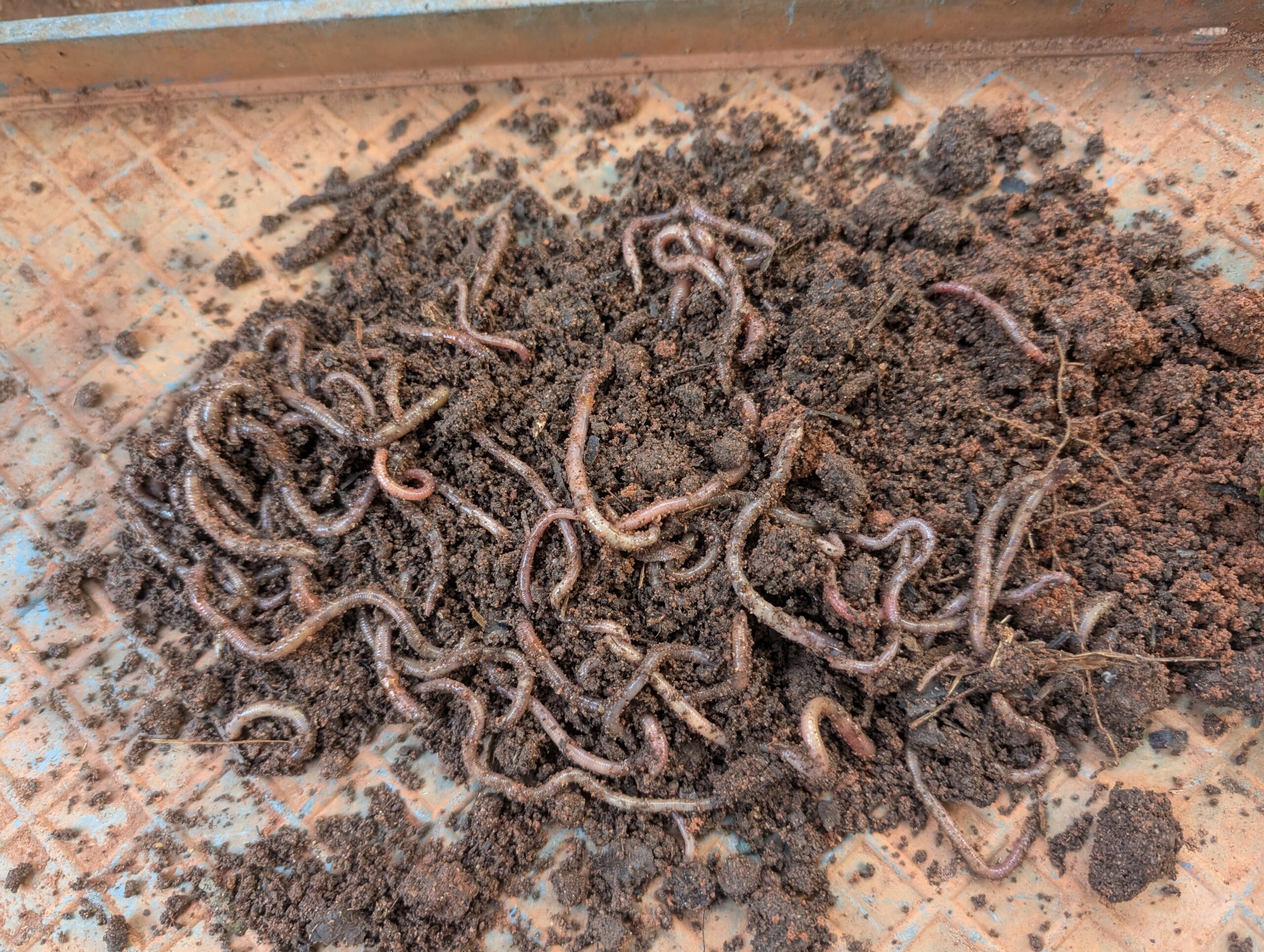
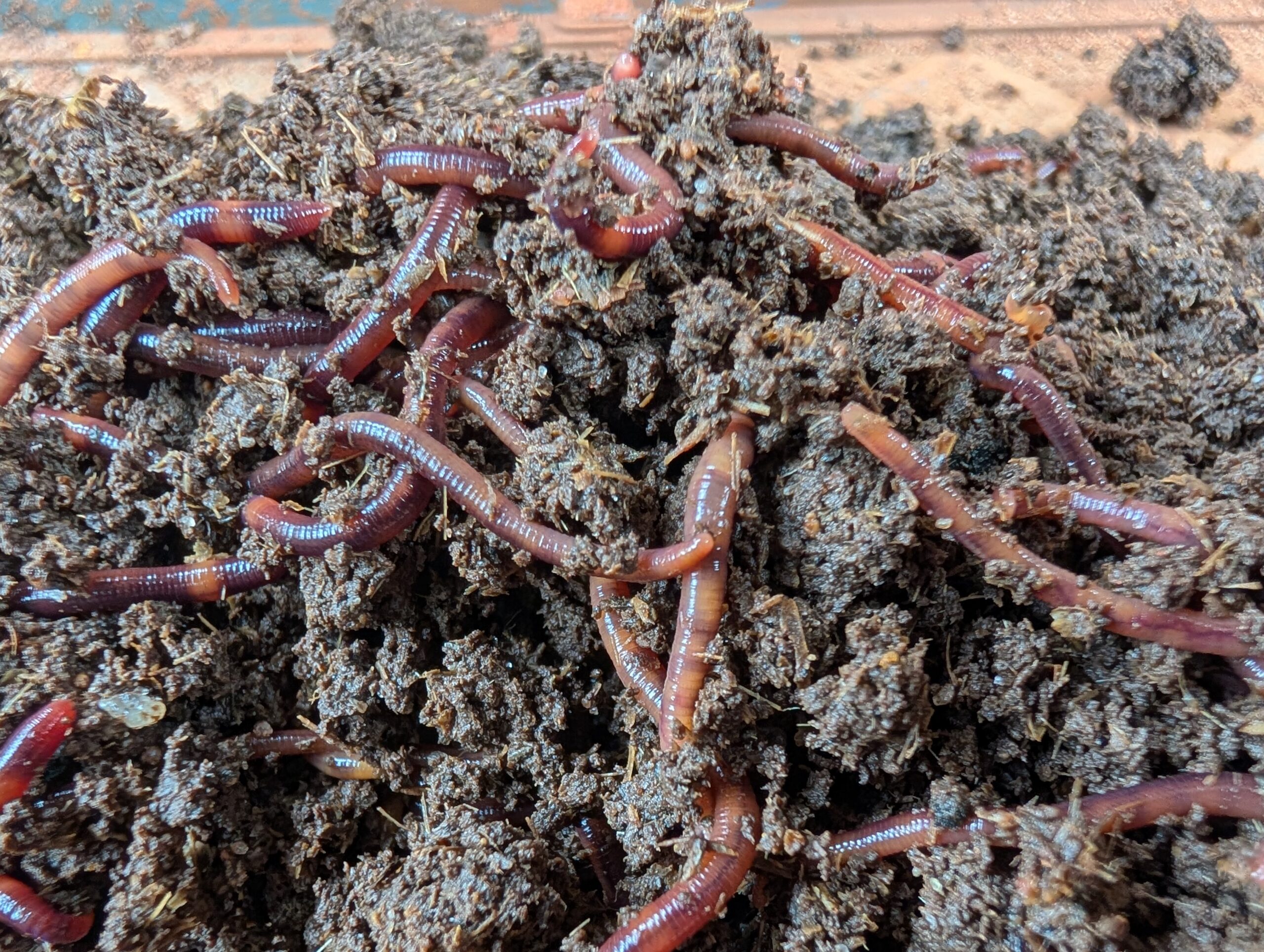
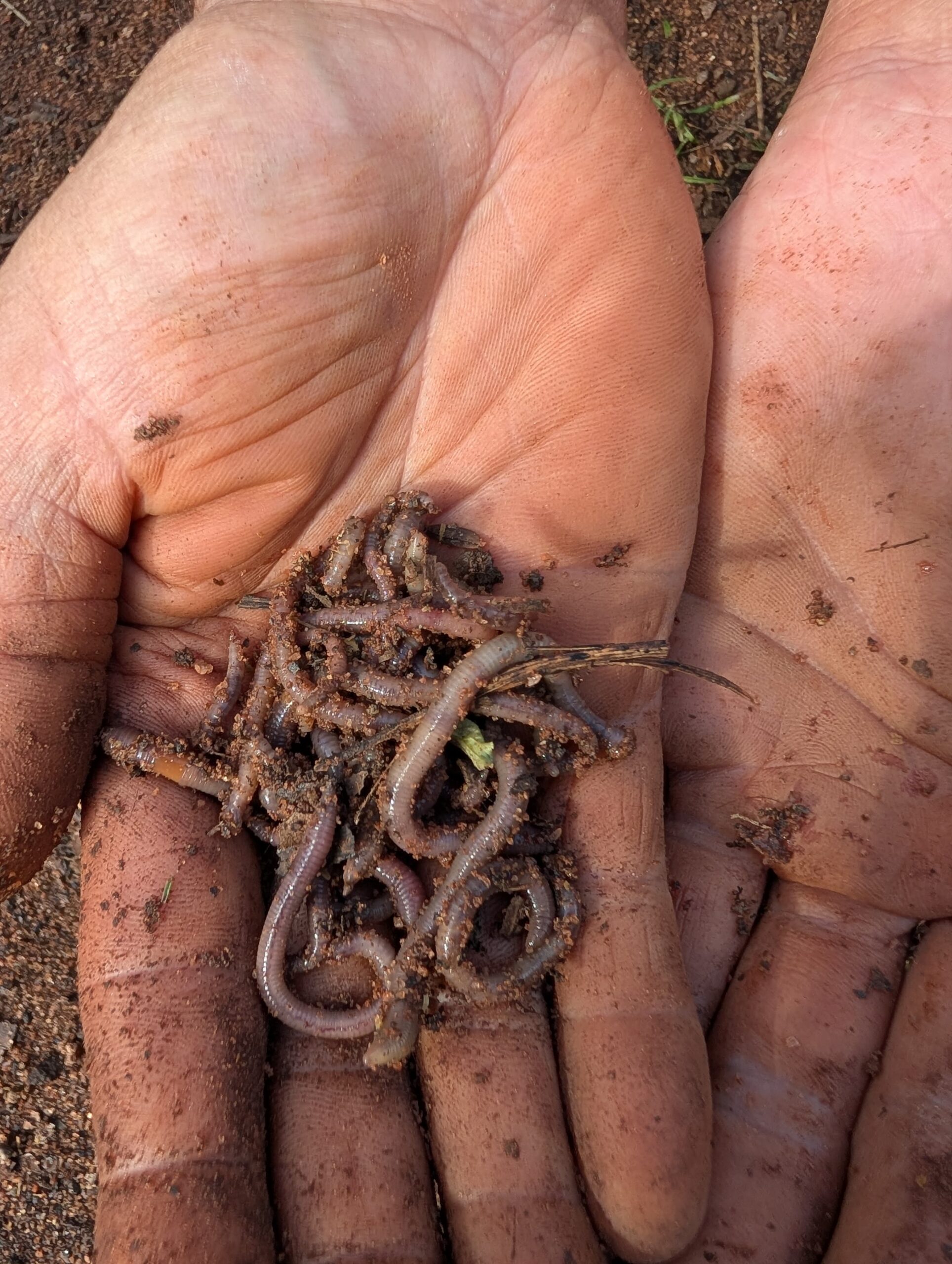
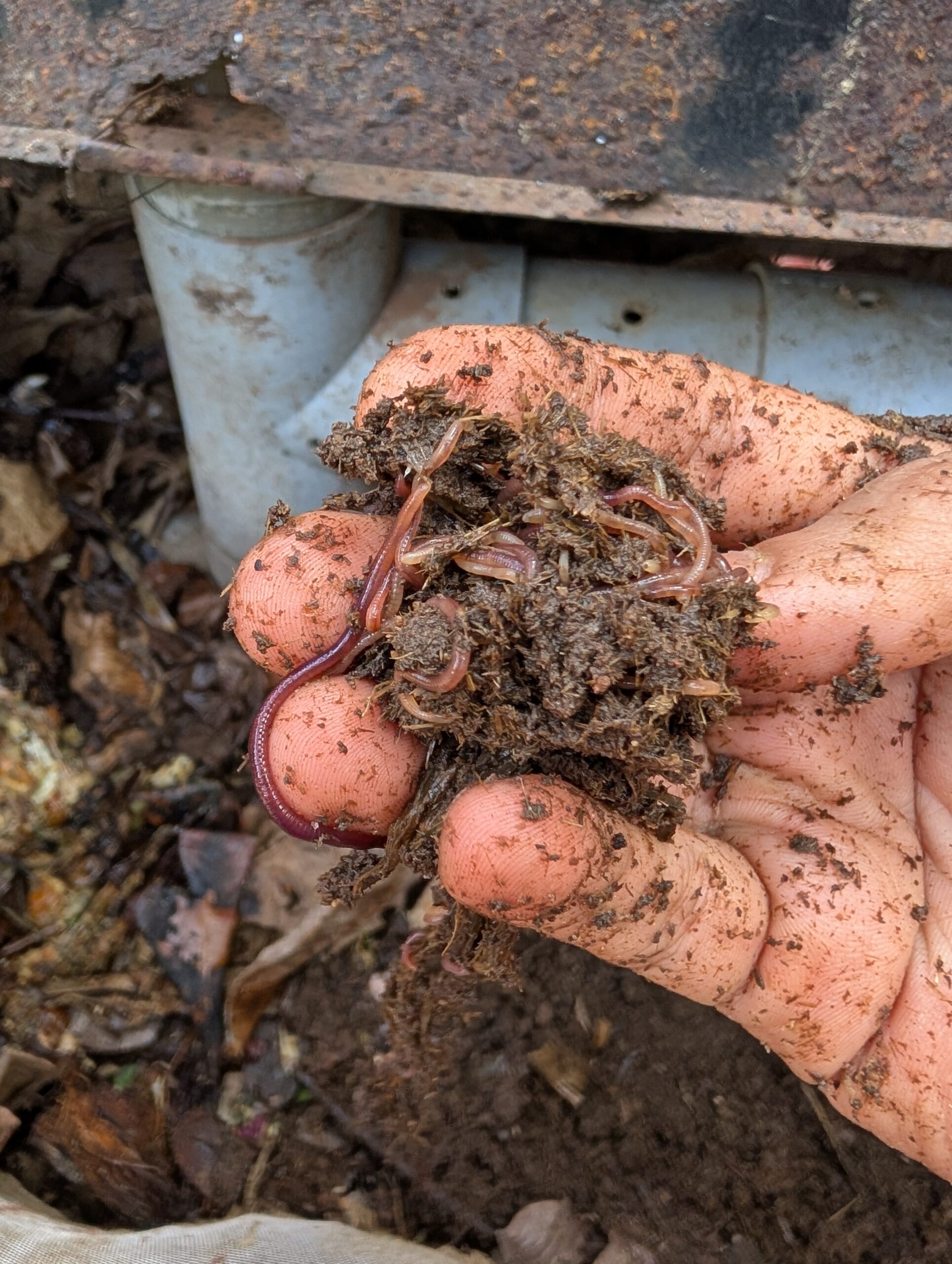
Vermicompost, made using earthworms, has several advantages over other forms, including a better compost structure, better soil biology, and faster composting. Vermicomposting is primarily done in India with red wriggler worms (Eisenia Fetida). These worms are readily available outside, but since the garden team at Matrimandir has been preparing vermicompost, we reached out to them and received worms from their compost.
In December 2025, we decided to revive the vermicompost experiments at the farm. The earlier experiments done with different varieties of worms are documented here.
Vermicompost, made using earthworms, has several advantages over other forms, including a better compost structure, better soil biology, and faster composting. Vermicomposting is primarily done in India with red wriggler worms (Eisenia Fetida). These worms are readily available outside, but since the garden team at Matrimandir has been preparing vermicompost, we reached out to them and received worms from their compost.
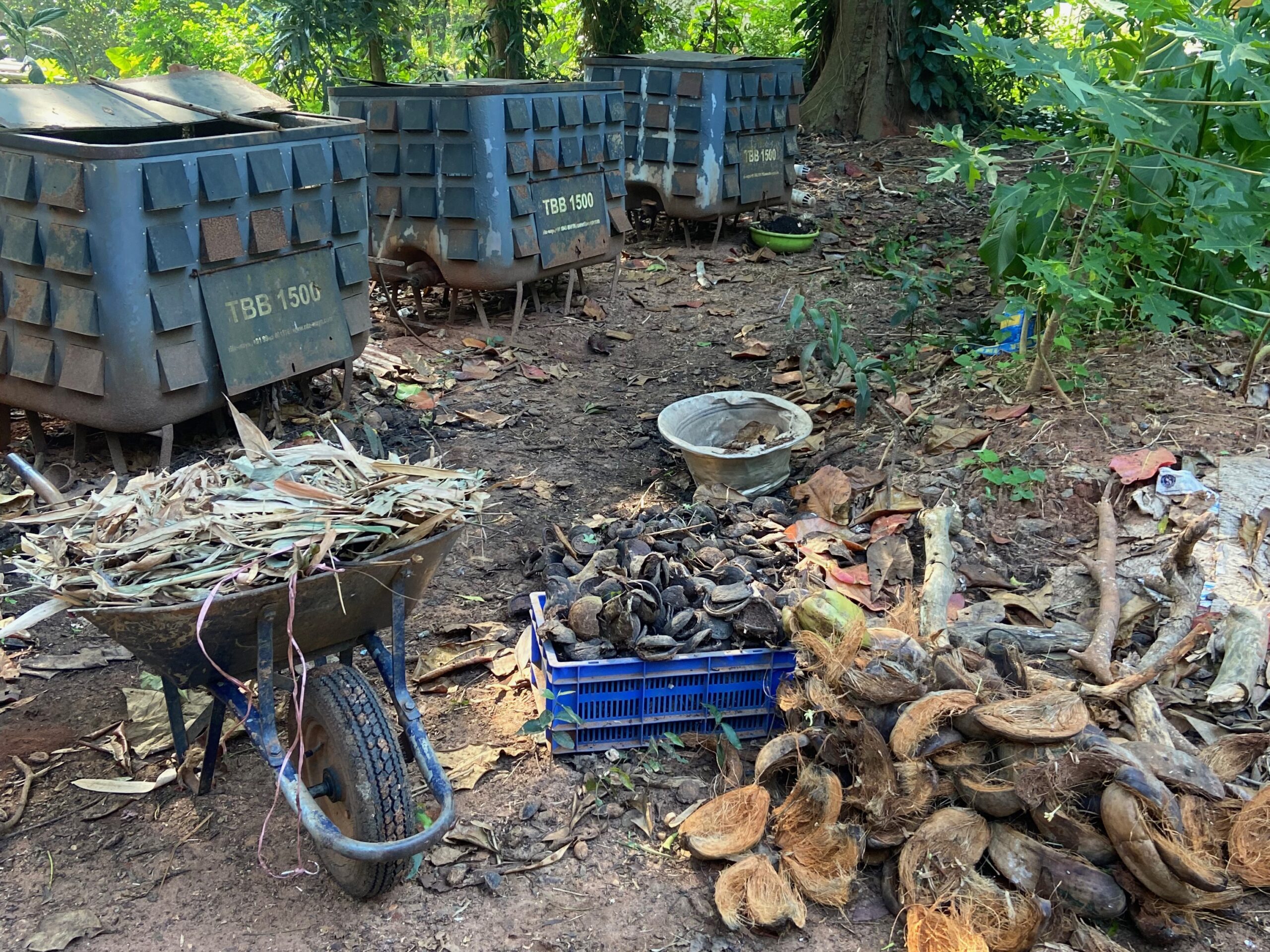
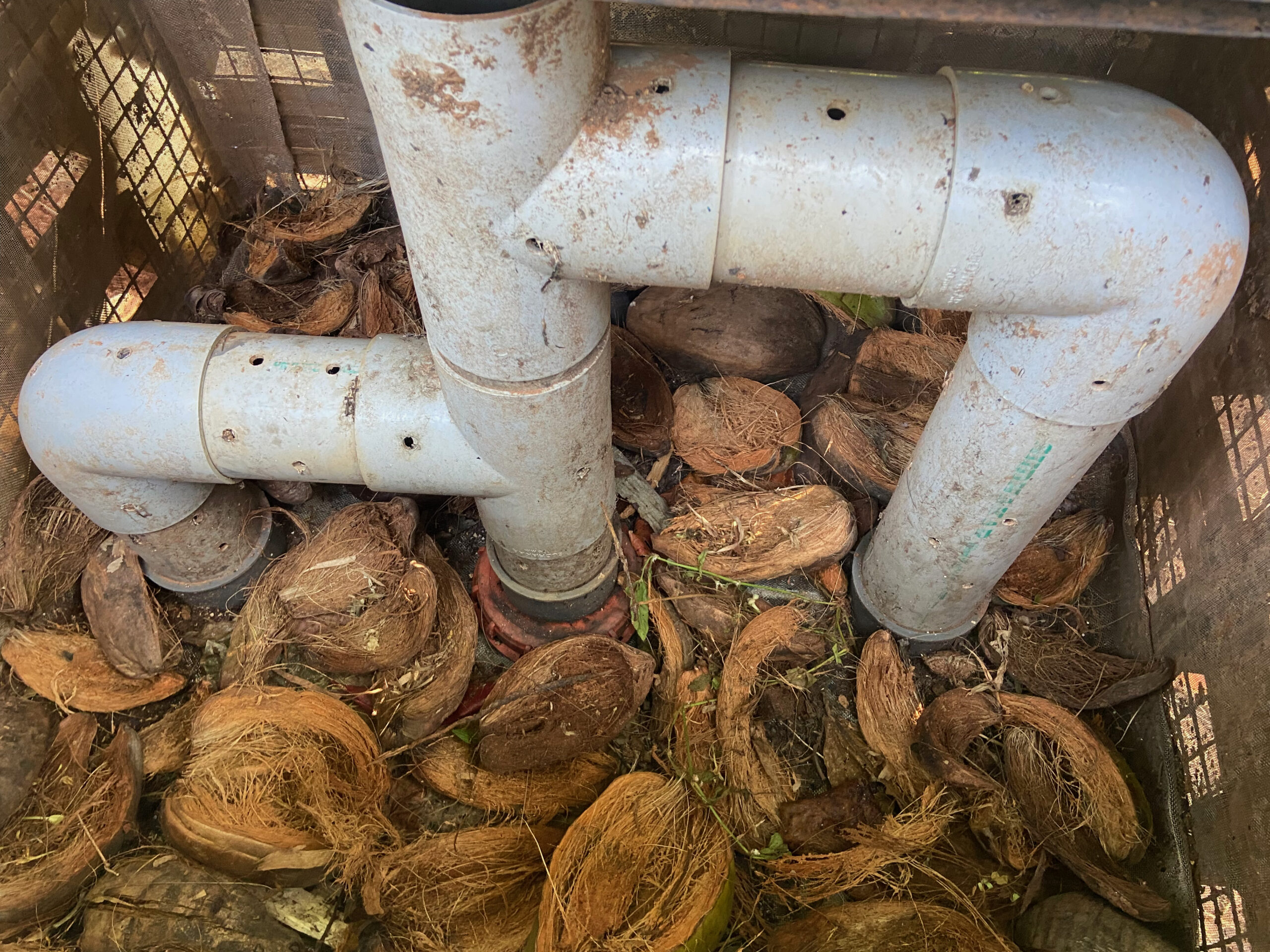
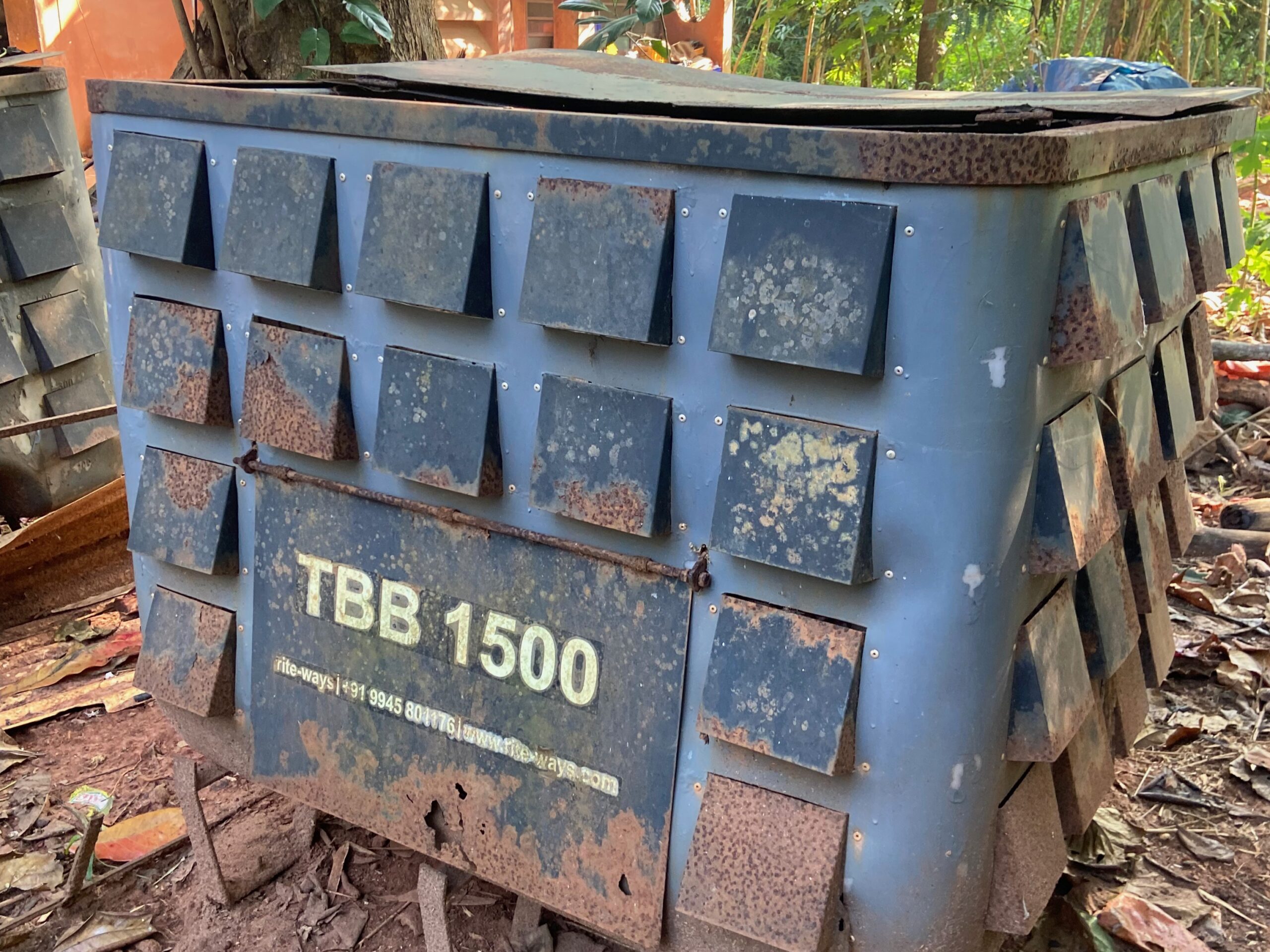
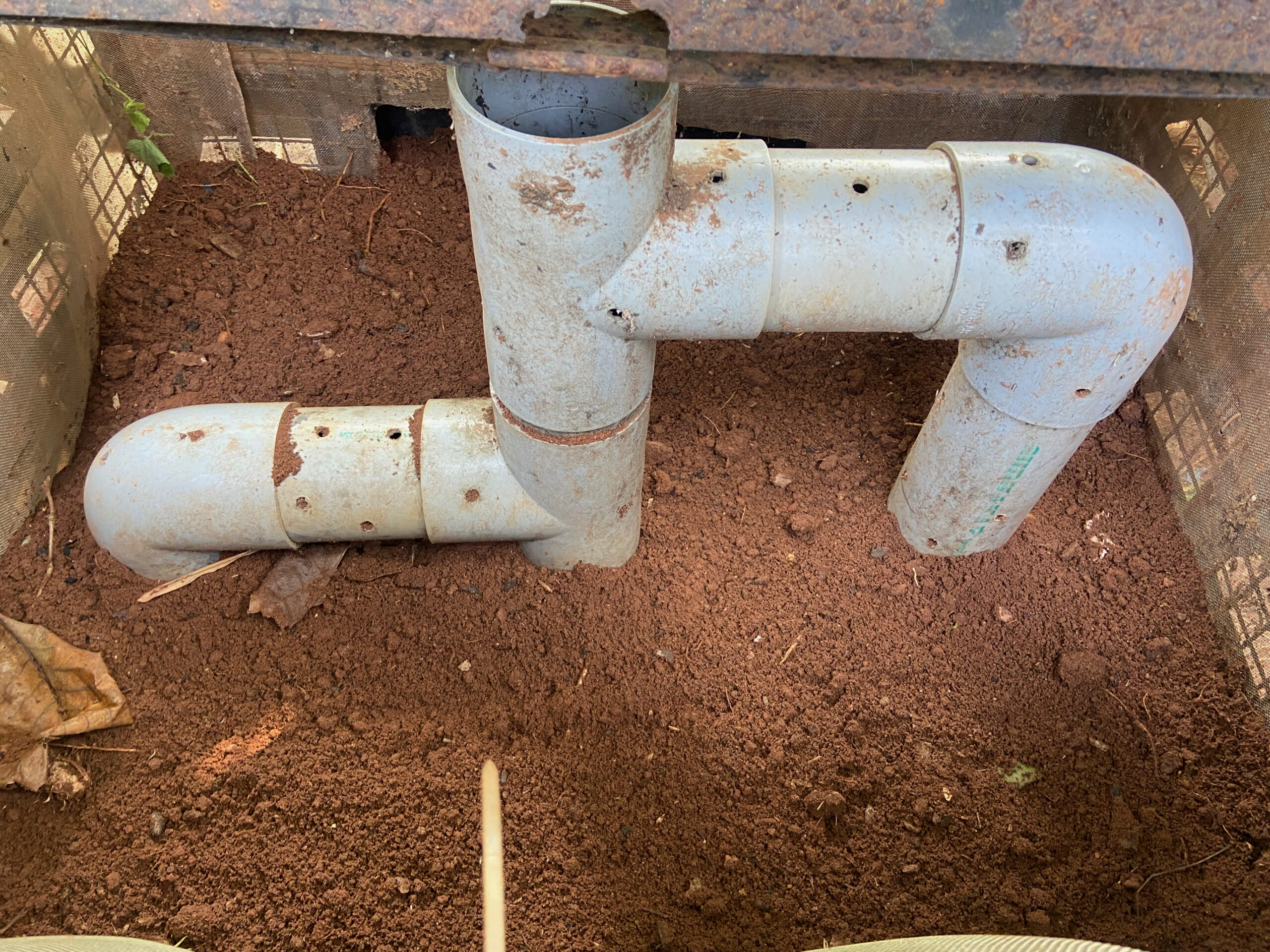
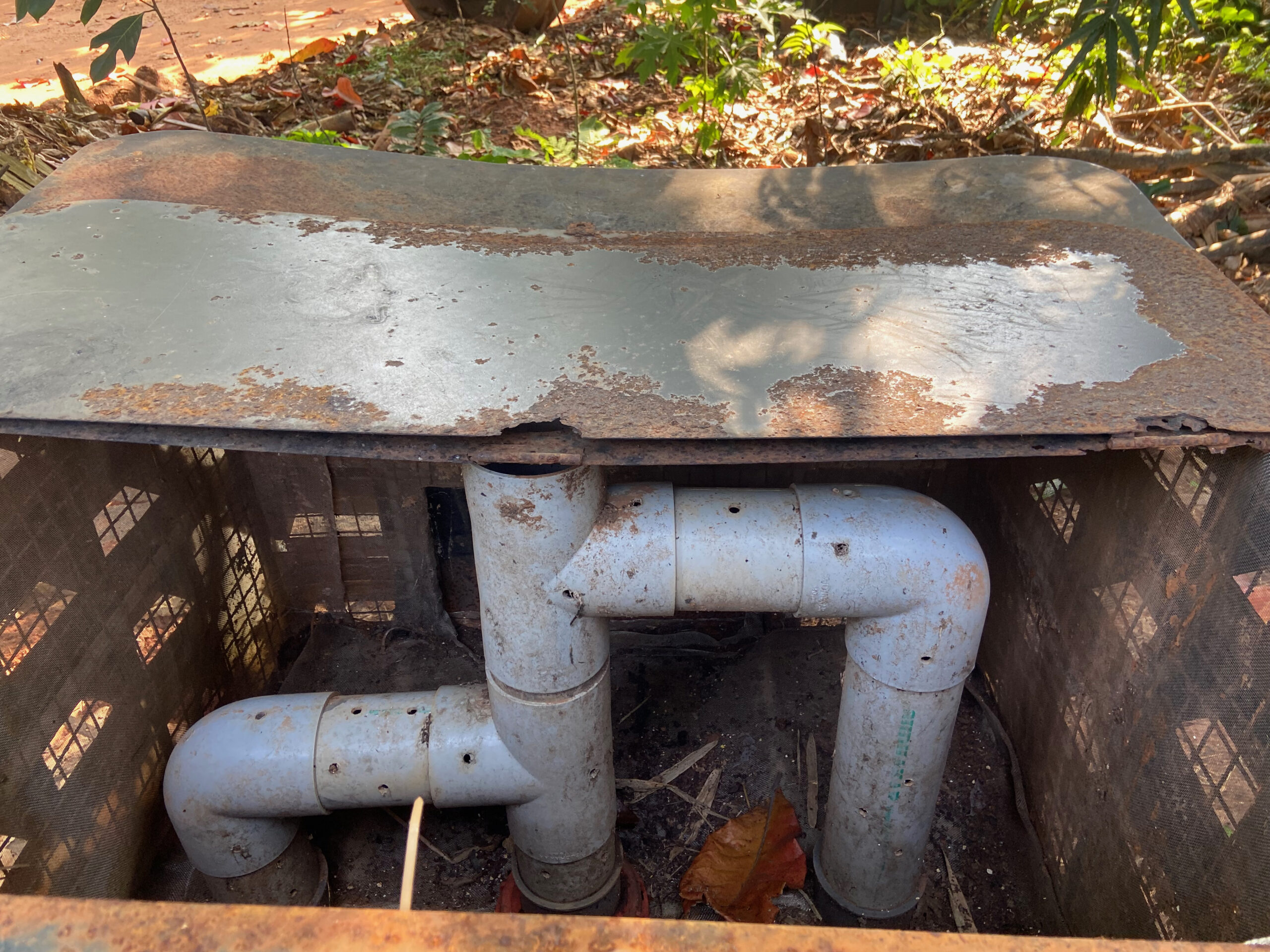
A few days before introducing the worms, we prepared a bed in two compost containers that we had at the farm. The bed was prepared using charcoal, coconut husk, leaves, soil from the farm, and cow dung slurry.
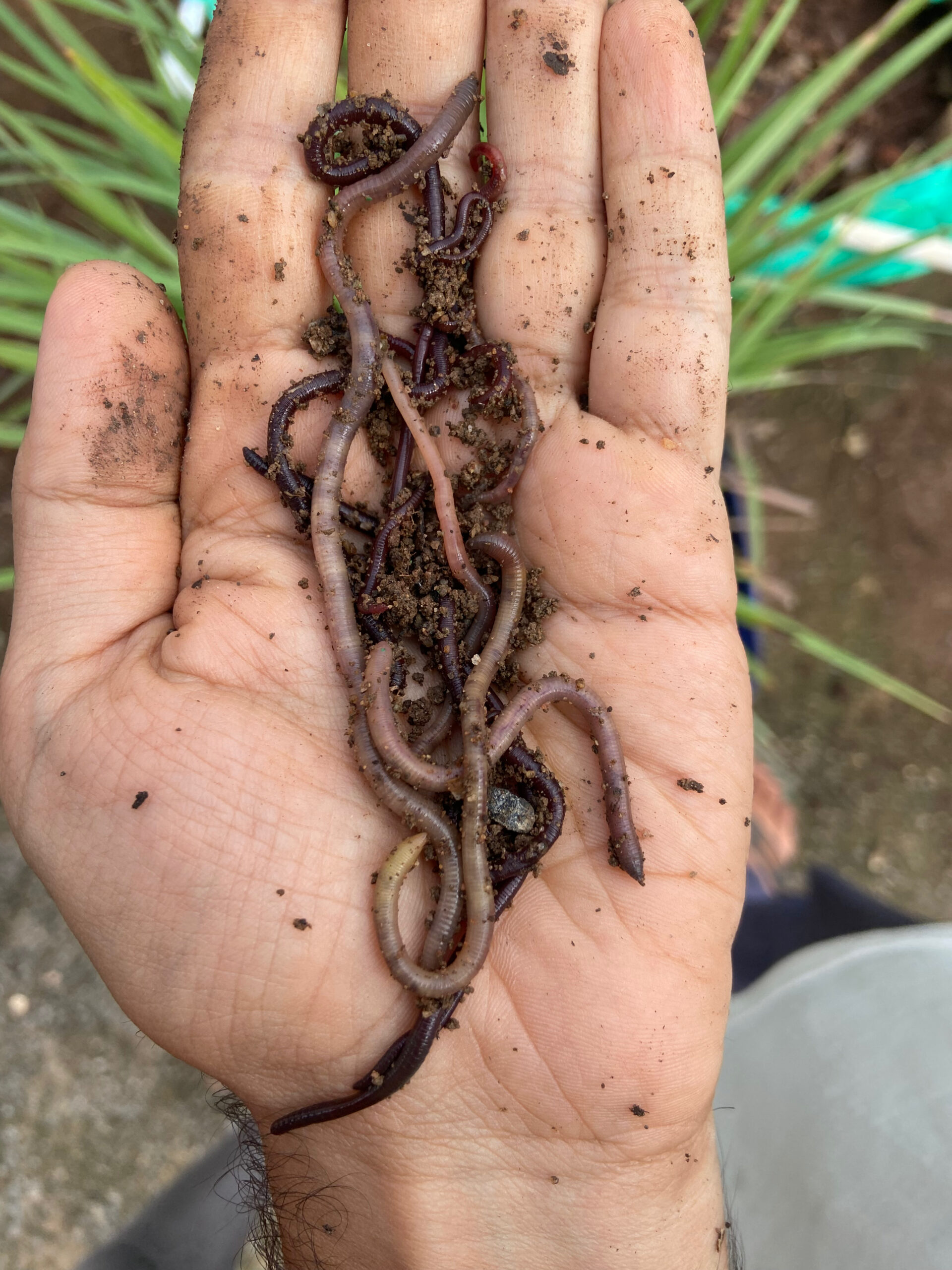
Since we had two containers, we planned to have two different setups – in one container we wanted to introduce only the red wriggler worms, and in the second container we wanted to add some indigenous worms from the soil at the farm. The indigenous worms are generally found deeper in the soil, while the wriggler ones stay on the top. Multiple containers allowed us to have this simple comparative experiment to see if there are any differences in the compost.
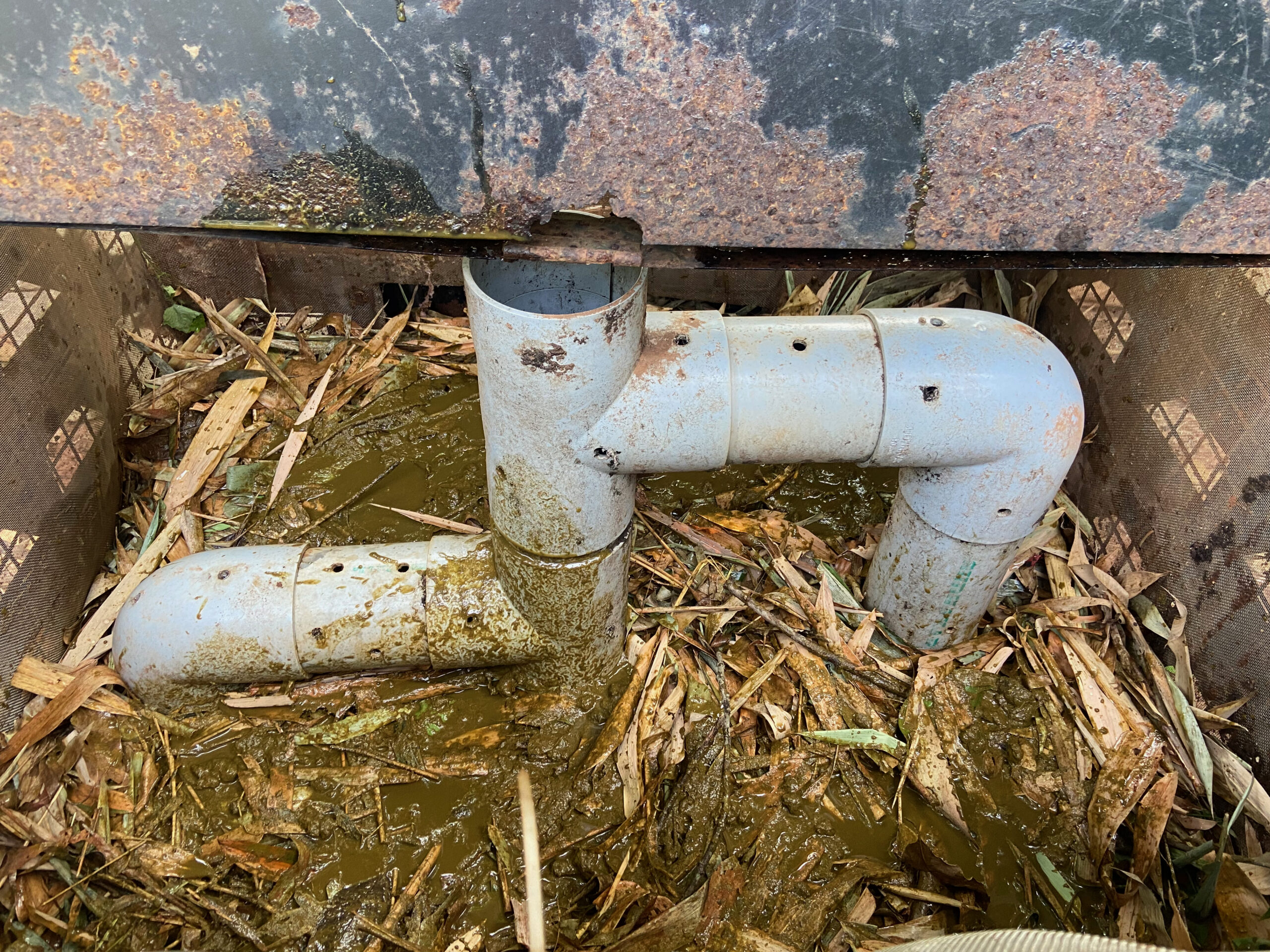
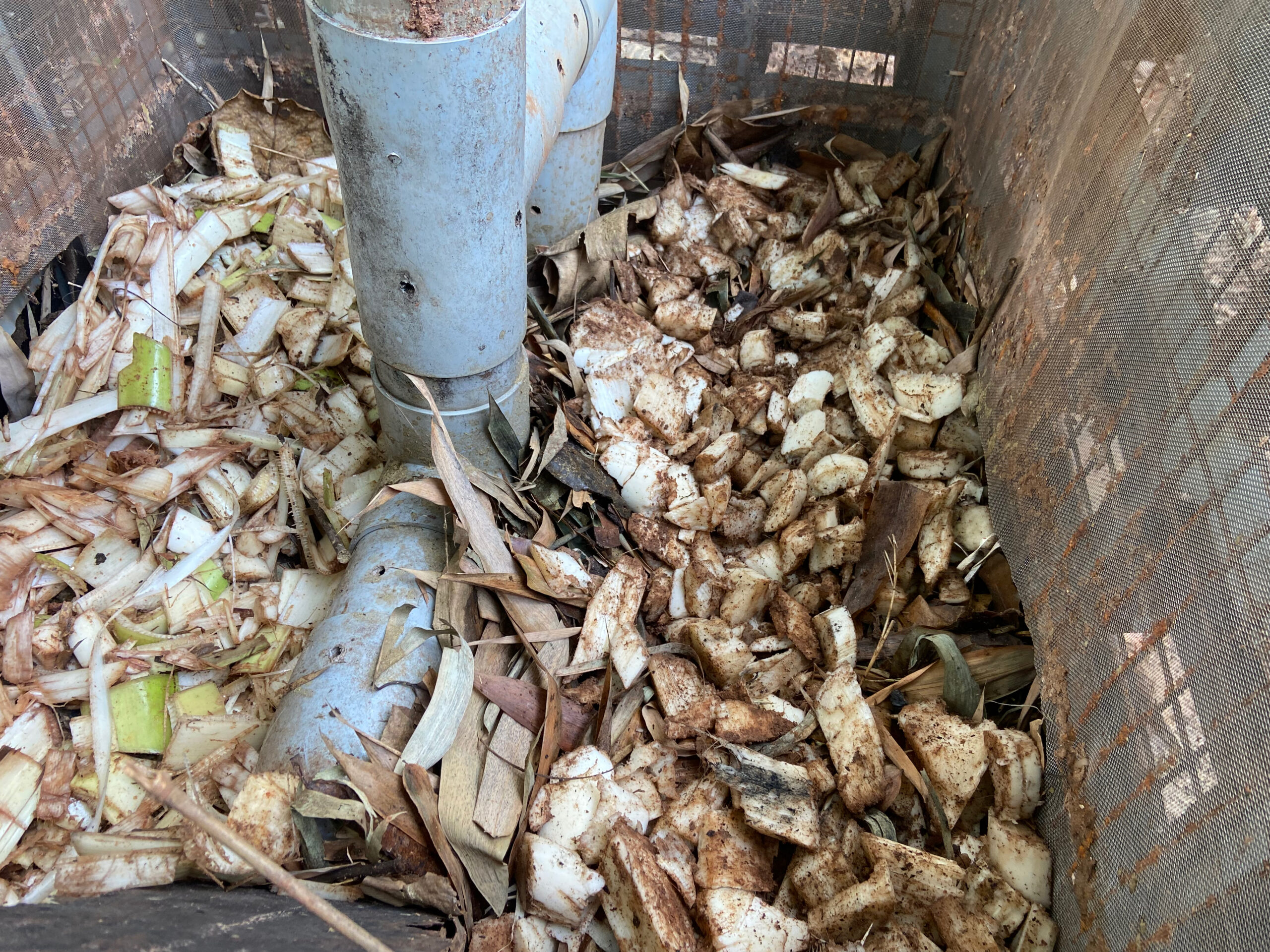
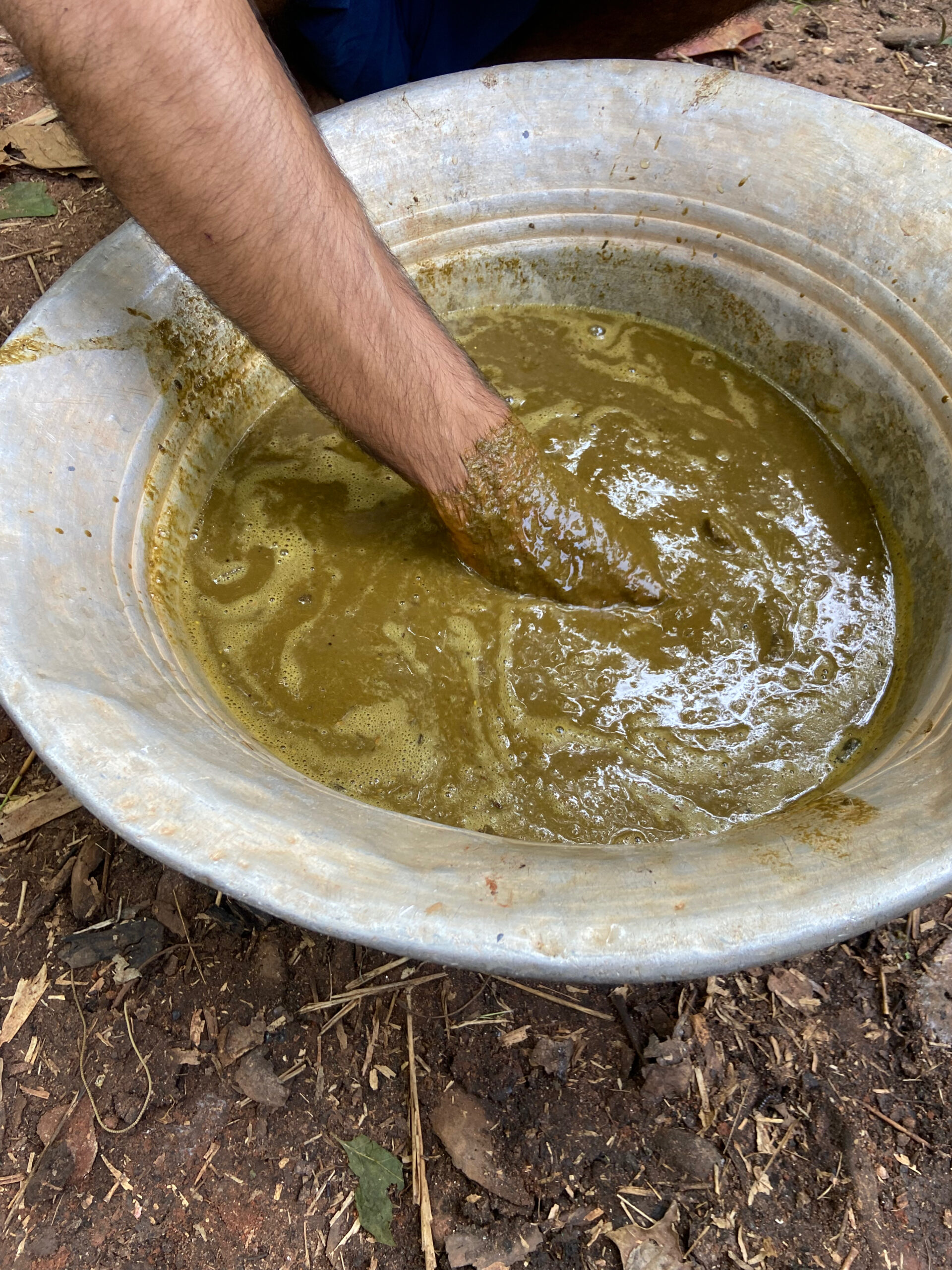
After introducing the worms, we have been periodically observing how and whether the worms have been spreading across the container, introducing certain foods, and maintaining the moisture. Initially, we introduced chopped banana stems, but we did not notice much activity around them. We did not want to introduce other vegetables and fruit peels in the first weeks, as these would potentially introduce other insects and worms, so we decided to feed them mainly cow dung slurry twice a week.
The activity, growth and spread of worms have been slow in December and January. These two months have been colder and have had a longer winter season than last year, and we think the activity was reduced due to this. In early February, we introduced some raw kitchen waste from the farm in one of the containers and quickly noticed an increase in activity. Also, as the weather is getting warmer, we are seeing an increase in the number of worms and their spread across the container.
For the coming months, we will continue feeding them with kitchen waste, cow dung, and later reintroduce banana stems. Please reach out to us if you have suggestions on how we can improve.