An exploration of grains through history and the relationship between body and land
An exploration of grains through history and the relationship between body and land.
Have you noticed what happens after you eat a meal, especially lunch? The body often slows down. The eyes feel heavy. There is an urge to lie down, to rest, sometimes even to sleep. This response is so common that it rarely raises questions.
Food is usually described as something that gives energy. Yet the experience of eating often leads to the opposite. Instead of lightness or alertness, there is heaviness. Instead of movement, there is stillness.
This contrast stayed with me long before I had words for it. If food is meant to nourish, how do we recognize nourishment? Is it simply the feeling of fullness in the stomach, or is it the quality of energy that follows a meal? Does nourishment mean being filled, or does it mean feeling alive and available after eating?
Growing up, grains were the unquestioned center of every meal. Breakfasts were often idlis or dosas. At times, bread or fried items made their way onto the plate. Lunch almost always meant rice, accompanied by curries. Dinner shifted to wheat, usually in the form of chapatis or other Indian breads.
Grain was not just part of the meal. It was the meal. Everything else existed around it.
Fruits were occasional. Vegetables were present, but secondary. A meal without rice or wheat felt incomplete, as though something essential was missing. This was not explained or discussed. It was simply how food was understood.
My grandfather often spoke of the days when millets like ragi were the norm. He would recall how white rice was once a “rich man’s food,” eaten rarely, a symbol of status. Now, it has become the most common staple a quiet reversal of what once was.
Years later, while traveling across Africa and other countries, this pattern resurfaced in a different form. For instance across ten countries i traveled in Africa, from Southern Africa to eastern regions and further north, the structure of meals felt familiar.
In Southern African countries, maize formed the base of their diets. In eastern regions, wheat and rice became more prominent. Further north, rice and wheat appeared again as staples. The names, textures, and preparations varied, but the reliance on a single dominant grain remained constant.
Grains have existed alongside humans for thousands of years, but their dominance is relatively recent after the large-scale agriculture.
Rice and wheat existed, but they did not define every meal. In India, millets were widely consumed and region-specific. They grew with less water and supported local ecosystems.
The shift began when food needed to be stored, transported, taxed, and controlled. Grains suited this purpose well. They could be dried, preserved, counted, and accumulated. Over time, what was convenient for systems became essential for people.
Food slowly moved from being seasonal and diverse to being standardized and centralized.
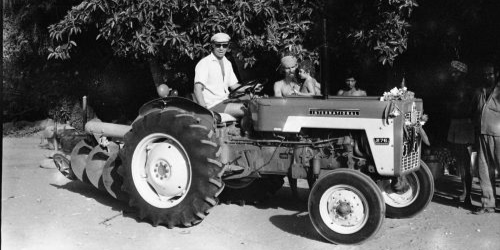
The Green Revolution accelerated this transformation. High-yield varieties of rice and wheat were introduced with the promise of food security. Irrigation expanded. Chemical fertilizers and pesticides became common.
Production increased, but diversity declined. Millets and traditional crops were gradually displaced. Government ration systems reinforced rice and wheat as staples, shaping not just farming practices but eating habits as well.
The plate narrowed, even as yields rose.
Hybridization further deepened this change. Traditional varieties of rice and wheat, once regionally adapted and nutrient-rich, were replaced by uniform, high-yield hybrids. Local strains disappeared quietly, leaving behind only a handful of varieties grown on vast tracts of land. What began as an agricultural innovation slowly became a biological narrowing.
Grain cultivation reshapes the land. Rice, especially, demands large amounts of water. Monocropping draws heavily from soil nutrients. Over time, soils lose vitality and depend increasingly on external inputs.
Fields that once supported multiple crops become devoted to a single one, season after season. Biodiversity fades quietly. The land continues to produce, but often at the cost of resilience.
What happens to the land often finds an echo in the body. Systems built for efficiency tend to extract more, whether from soil or from digestion.
Just as soil requires support to keep producing under monocropping, the body often requires rest after grain-heavy meals. Energy turns inward. Movement slows.
The parallel is subtle, but present.
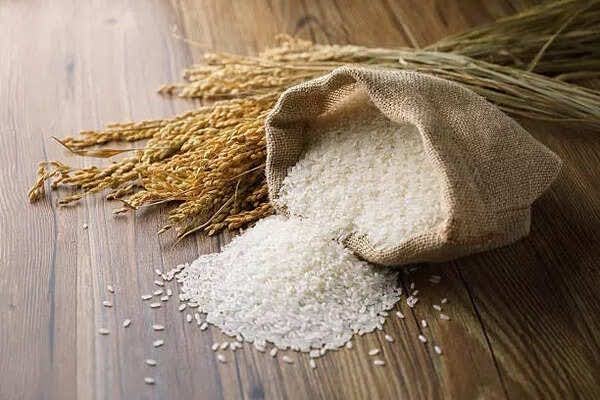
Grains are the seeds of grasses. Biologically, they are designed to propagate, not to be easily digested. Humans lack the digestive adaptations seen in animals that naturally consume grains, such as birds.
When observing grains closely, another question arises. When we see fruit, there is often an immediate sensory response. Color, aroma, taste. There is a natural pull. With grains, this is rarely the case. Rice, bread, or wheat by themselves do not usually call to the senses. They require something added a curry, oil, salt, spices, sauces. By themselves, grains seldom invite consumption.
Digesting grains also demands significant energy. They are dense, complex, and slow to break down. The body allocates resources to digestion, which may explain the familiar lethargy and sleepiness that follows grain-heavy meals.
Digestion is an active process. When food is complex and dense, more energy is directed inward. Blood flow shifts toward the digestive system. The rest of the body slows.
This may help explain why meals centered on grains often lead to heaviness rather than vitality. Energy that could support movement or alertness is redirected toward processing what has been consumed.
Over time, my relationship with grains changed through experimentation. I moved from white rice to fiber-rich varieties like brown rice and traditional strains such as kerala matta rice. Later, I explored millets in different forms.
Each shift brought subtle changes. The body responded differently. Over time, grains occupied less space on my plate and eventually without it, and other foods began to appear more naturally.
Rice and wheat have undeniably supported population growth. They have fed millions. Yet alongside this growth, another pattern has emerged. India is now among the leading countries in diabetes, with white rice and wheat forming a large part of daily intake.
Hospitals are expanding. Chronic illnesses are rising. This raises a quiet question. Are we only feeding populations, or are we nourishing healthy individuals?
Grains also extend beyond human plates. Vast amounts are grown to feed livestock for the meat industry. This places additional demands on land, water, and resources, further intensifying the cycle.
The system feeds many mouths, but at what cost to bodies and ecosystems?
This reflective essay explores the central role grains have come to play in modern diets and agriculture, tracing their historical rise through industrial farming and the Green Revolution. Moving between personal experience, ecology, and food systems, it questions whether grain-centered diets truly nourish the body, while examining their impacts on health, soil, biodiversity, and human energy.
Join our newsletter for exclusive updates!
AuroOrchard is certified organic by the Tamil Nadu Organic Certification (ORG/SC/1906/001683) Department accredited by APEDA (Agricultural and Processed Food Products Exports Development Authority), New Delhi, Ministry of Commerce and Industry, Government of India.
AuroOrchard Poultry is recognised under the Certified Humane Program, a globally recognised, independent, international auditing body dedicated to creating a more humane world for farm animals.