 In our tropical climate, fruits arrive all at once — Papayas, Mangoes, Bananas, Jackfruit, Ramphal and others ripen in abundance during the summer — and then there are long months when there is little fruit at all. Vegetables, too, fluctuate with the seasons: some months bring plenty, others very little. Over time, we’ve come to see that food preservation is not a luxury but a necessity — a way to care consciously for what the land gives us.
At AuroOrchard, we prefer to speak of food preservation rather than processing. The aim is not to transform food into something else, but to extend its life while keeping its nature intact — to preserve its flavour, vitality, and nutritional value. Each method, whether drying, fermenting, or pickling, is chosen with care so that it enhances rather than overpowers the food’s essence.
For many years, we resisted venturing into processing, focusing instead on the fields. But as our orchards and vegetable gardens grew, we realized that preserving harvests was essential to close the cycle — to make full use of what we grow and to create a new rhythm of activity on the farm. Working in the kitchen has become an extension of fieldwork — a space of creativity and learning, where people engage with food in another form of intimacy.
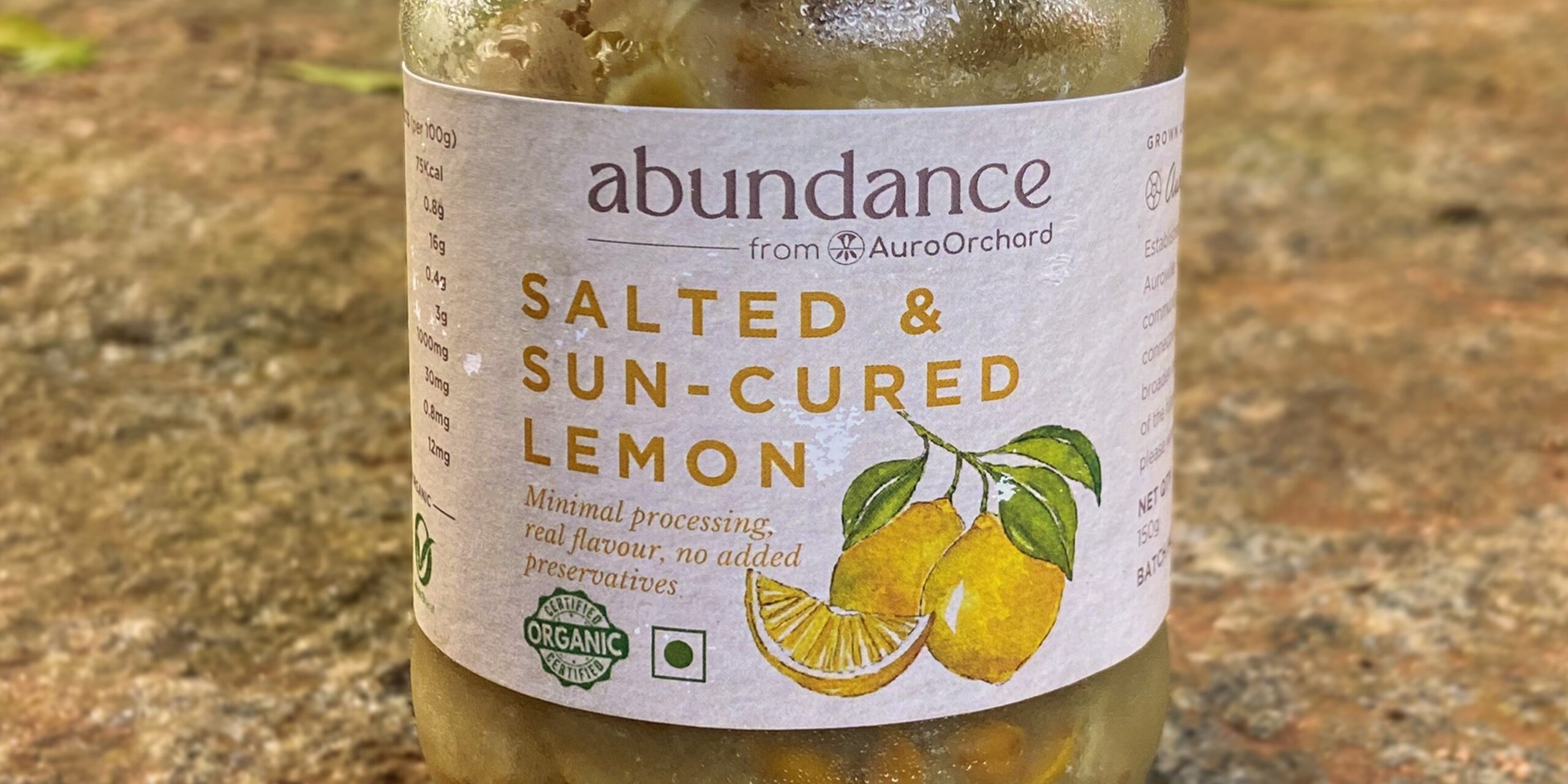
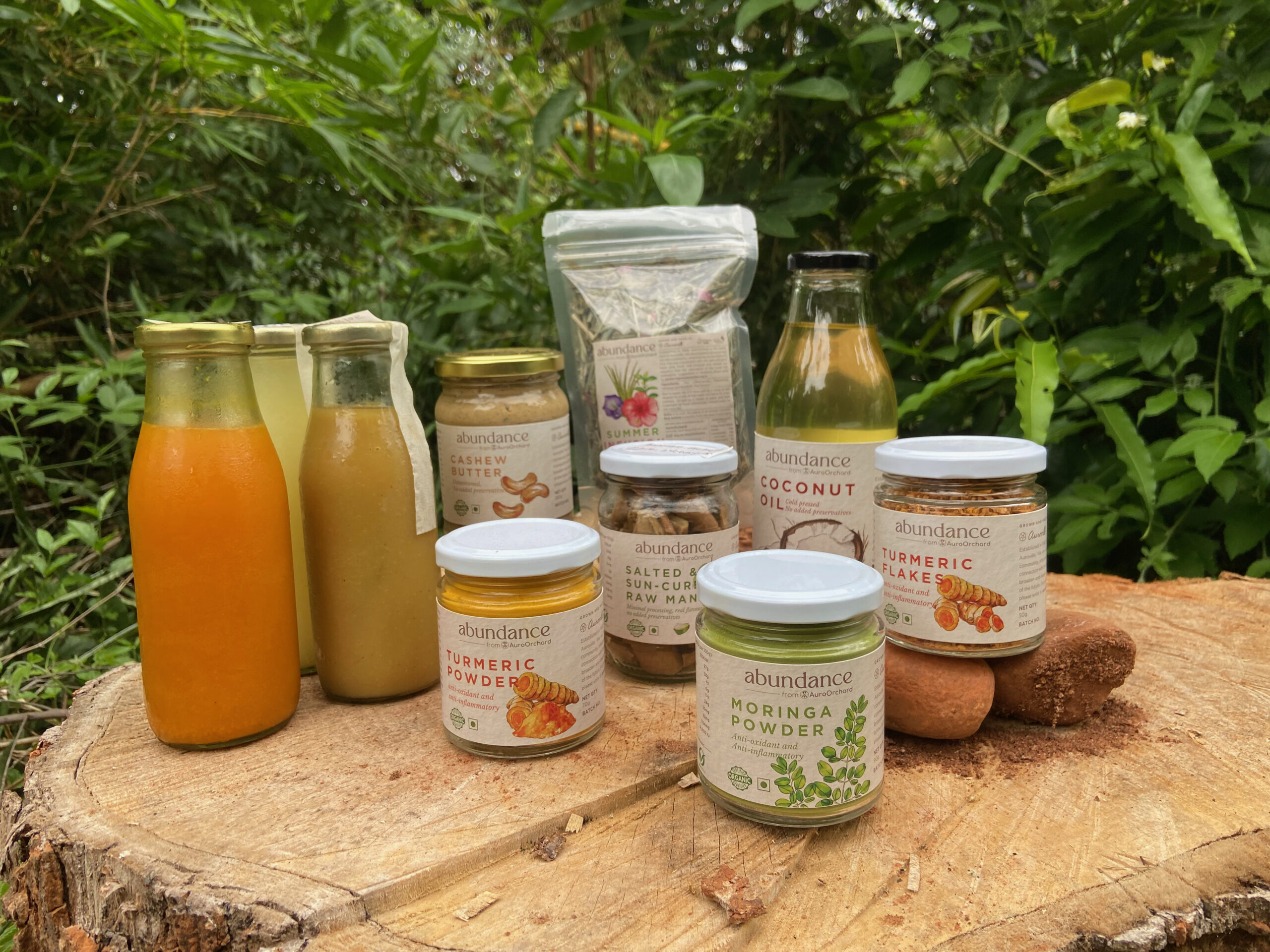
The project Abundance was born from this realization — to shift the narrative from scarcity to plenty. We do have enough; we just need to preserve and share it more consciously. Through Abundance, we are developing gentle preservation practices that maintain the character of our fruits and vegetables while making them available throughout the year.
This work also connects us with others. We collaborate with food processors and artisans in Auroville who share the same intention — to create a network of small, ethical, and ecologically rooted food preservation practices. Together, we explore how to make the most of local produce, reduce waste, and nurture a deeper relationship with food and community.
In our tropical climate, fruits arrive all at once — Papayas, Mangoes, Bananas, Jackfruit, Ramphal and others ripen in abundance during the summer — and then there are long months when there is little fruit at all. Vegetables, too, fluctuate with the seasons: some months bring plenty, others very little. Over time, we’ve come to see that food preservation is not a luxury but a necessity — a way to care consciously for what the land gives us.
At AuroOrchard, we prefer to speak of food preservation rather than processing. The aim is not to transform food into something else, but to extend its life while keeping its nature intact — to preserve its flavour, vitality, and nutritional value. Each method, whether drying, fermenting, or pickling, is chosen with care so that it enhances rather than overpowers the food’s essence.
For many years, we resisted venturing into processing, focusing instead on the fields. But as our orchards and vegetable gardens grew, we realized that preserving harvests was essential to close the cycle — to make full use of what we grow and to create a new rhythm of activity on the farm. Working in the kitchen has become an extension of fieldwork — a space of creativity and learning, where people engage with food in another form of intimacy.
The project Abundance was born from this realization — to shift the narrative from scarcity to plenty. We do have enough; we just need to preserve and share it more consciously. Through Abundance, we are developing gentle preservation practices that maintain the character of our fruits and vegetables while making them available throughout the year.
This work also connects us with others. We collaborate with food processors and artisans in Auroville who share the same intention — to create a network of small, ethical, and ecologically rooted food preservation practices. Together, we explore how to make the most of local produce, reduce waste, and nurture a deeper relationship with food and community.