Experiments with…
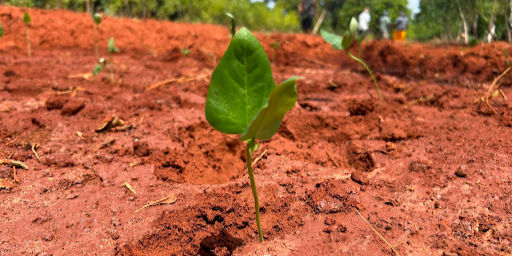
My first weeks at AuroOrchard have been a mix of discoveries, challenges, and moments of reflection. Coming to India to live and work on a farm has allowed me to experience a different rhythm of life and to start seeing everyday things Home » Blog » Experiments with Shumei Natural Farming Experiments with Shumei Natural Farming October 2026 · Sean Kuwata, Junta & Anshul Aggarwal In February 2026, Anshul approached the Shumei Natural Farming team to better understand their philosophy and practices. A series of exchanges led to a visit to AuroOrchard by Kenichi-san and Vishal from the Shumei India team, based in Mumbai. During their visit, they introduced the farm team to Shumei’s philosophy and approach to natural agriculture. As a step towards exploring this approach more deeply, AuroOrchard offered to host trials of Shumei natural farming. Anshul also met with Shumei practitioners online to learn more about their experiences and how they put the philosophy into practice. The intention behind these exchanges is to learn from Shumei’s philosophy and methods, explore their relevance to the farm, and see how agriculture in Auroville can continue to develop through dialogue with ideas and practices from across the world. A brief explanation of Shumei Shumei is a spiritual organisation founded in Japan in 1970. We have three main practices – Jyorei healing, the appreciation of art and beauty, and natural agriculture – for the creation of a world free from sickness, poverty, and strife. As we share the ideal of Sri Aurobindo, human unity, we strive to hold hands despite our differences, for future generations – aiming to become “World Citizens”. About Natural Agriculture This farming method was discovered by Mokichi Okada in Japan, who is the founder of Shumei. Realising that pesticides and fertilizers harm the body, he experimented with this farming method – having deep respect and concern for nature. After the success of the experiment, this farming method has been spreading ever since. Now there are many farmers throughout the world, especially in Japan, who practice this method, achieving wonderful results. The quote below by Mokichi Okada is the discoveries of this experiment. “Used over a period of time, there will not be any need to spend money on fertilizers. Pest damage, such as from insects or parasites, will be reduced to a fraction of what it is now, and damage from wind and water will decrease by more than fifty percent. Also, especially noteworthy is the delicious flavor of the crops grown by this natural approach. Once you taste the rice, wheat, and vegetables grown in this manner, you will become unwilling to eat anything grown with the aid of fertilizer. Fruit also improves greatly in quality after one stops giving the plant or tree man-made fertilizer. The blooms of flowering plants also grow larger and more beautiful, and if they are used for ikebana (the Japanese art of flower arrangement), they do not wither for a long time—a feature which brings much pleasure. The Natural Agricultural approach also brings a drastic decrease in the amount of insect damage. Noxious insects increase as a result of an increase in the use of fertilizers, and it is therefore only natural that if we get rid of the fertilizers, the pests will go with them.” Seen from the discovery above, almost every aspect of crops and even flowers have a drastic improvement when it is practiced through natural agriculture. Next is the reasoning of the decrease of pest damage and the improved roots of natural agriculture plants. “Damage from wind and water occurs almost every year. If you use the Natural Agricultural methods, you will find that this damage decreases noticeably. This is because when the original crops absorb fertilizers, they become extremely weak from the poisoning caused by the absorption of these fertilizers. I have also discovered that this poison provides an attractive diet for pests. Furthermore, these pests can actually be generated by fertilizers, and then, of course, they eat the crops and multiply. Once they appear in the roots, these pests are sure to devastate the root hairs and leave the plant weak and sickly. This process is the cause of withered leaves, drooping or bent stalks, falling blooms, fruit that does not ripen, and such things as yellow dwarf potatoes. Many types of pests also establish themselves in places other than root hairs, but a healthy plant has the capacity to overcome them. If, however, the plant has been weakened by absorbing fertilizer, it is too feeble to resist and is destroyed. When a naturally grown plant encounters wind and rain, it is tough enough to resist being beaten down. The reason for the difference is obvious if we examine the roots. The natural plant has root hairs that are longer and thicker than those of the fertilized plant, and as a consequence are more firmly rooted.” Here is an argument by Mokichi Okada regarding soil and fertilisers. “One point I must stress concerns the properties of the soil. Soil was made by the Creator in order to produce crops to nourish and sustain humans and animals. Therefore, its essential nature is that of a fertilizer. We could even say that it is no less than a great mass of fertilizer. This fact has been unknown before today, and people have mistakenly assumed that fertilizer provides nourishment to crops, and therefore have used all sorts of fertilizers. As a result, the essential nature of the soil has been almost destroyed. Consequently, if you want to increase crop yield, you must strengthen the soil itself as much as possible. To do this, you must avoid mixing anything impure into the soil; you must use only natural compost. That is, you must purify the soil as much as possible, and this will be enough to ensure wonderfully good results. This approach is so revolutionary that a mind sucked in the past can never grasp it.” “The center of the earth is a huge ball of fire
Learning from the Land
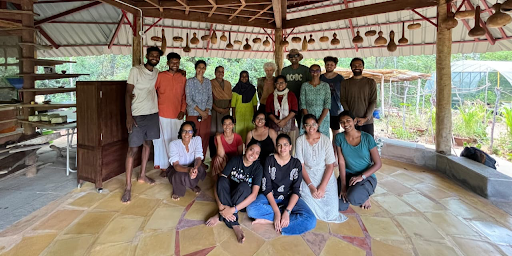
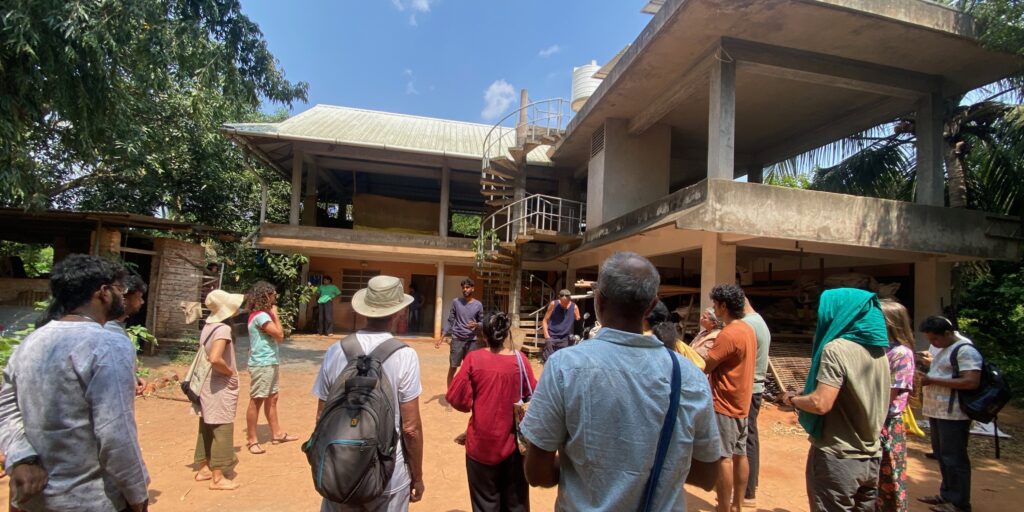
My first weeks at AuroOrchard have been a mix of discoveries, challenges, and moments of reflection. Coming to India to live and work on a farm has allowed me to experience a different rhythm of life and to start seeing everyday things Home » Blog » Learning from the Land Learning from the Land October 2026 · Rahul Tola & Charan GP From 14–16 August 2026, at Pebble Garden and AuroOrchard, we explored ecological restoration, farming, seed saving, food and our relationship with the land. Learning from the Land brought together practical work, walks and conversations, with opportunities to connect ideas with what we could observe and try ourselves. We had a wonderful group of people interested in this work. Some were just beginning to explore farming, some already had land, and others came with well-developed projects. There was joy in being together as a learning community, sharing our experiences, challenging our assumptions and opening ourselves to learning from each other. Land, ecology and culture We began by looking at the relationship between landscape and culture through Ainthinai, the five ecological landscapes described in the Tamil Sangam tradition. Each brings together particular plants, animals, occupations, foods and ways of life. This gave us a starting point for discussing how soil, rainfall and vegetation shape agriculture and how, over time, agricultural practices become part of a culture. At Pebble Garden, Bernard and Deepika shared their experience of working with land that once had exposed rock, gullies and very little topsoil. We looked at the contour bunds and small water bodies that helped slow and retain water, and the pioneer plants that established themselves in these conditions. We discussed the role of plants such as Dodonaea viscosa, Stylosanthes hamata and acacias and how they contributed biomass and shade, gradually creating conditions for other species to grow. Termites and monsoon flows also featured in the account of how soil had moved and accumulated across the site. Seeing these changes on the ground helped us understand the sequence of the work: what could be planted initially, what those plants made possible, and how the choices changed as the land recovered. The group at Pebble Garden Looking at the farm together At AuroOrchard, Rahul’s session on systems thinking helped us examine the relationships between different parts of the farm. We considered water, soil, plants, compost, people and markets, and how a decision in one area affects work elsewhere. What we plant, for example, depends on the season and soil, but also on the people available to care for it and where the harvest will go. Anshul shared his developing ideas on integral agriculture, drawing on the physical, vital, mental, spiritual and psychic dimensions of Sri Aurobindo’s integral philosophy. We discussed how farming involves ecological conditions alongside labour, economics, technology, community and our own motivations and experiences. This opened questions about how we assess a farming practice. How do we understand something that works well ecologically but is difficult to sustain financially? What changes when we adopt a new technology? And how does working on the land affect the people involved? These conversations drew on the practical difficulties of running a farm, where different needs do not always fit neatly together. Farm walk with Anshul Working with soil and plants The practical sessions included working with beds, irrigation and plants. They gave us opportunities to relate the discussions to particular tasks: checking moisture, observing how water moves, looking at plant growth and deciding what attention was needed. We also explored soil care and composting, including the use of mulch, the return of organic matter and ways to avoid compaction. In discussing compost, we looked at how different materials, moisture and air contribute to decomposition, and what we need to pay attention to when managing a pile. Moving between discussion and work was useful. An explanation could give us a starting point, but applying it brought further questions. How wet is the soil below the surface? Is water reaching the roots? What are we noticing about a plant, and what might we need to observe for longer before acting? Food and the meals we shared Charan’s session on food and health brought the conversation to our eating habits and the relationships between food, culture and the body. We discussed how the history of what we eat continues to influence our meals, and considered the connections between everyday food choices and health. The meals during the workshop included produce from AuroOrchard, grains from other Auroville farms and preparations drawing on Tamil food traditions. These gave us something concrete to connect with the discussions about crops, diversity and food culture. We also explored the diversity within familiar crops such as brinjal, alongside yams, winged beans and perennial leafy vegetables. This led to conversations about the relationship between conserving a variety, knowing how to grow it and continuing to use it in the kitchen. Session on food with Charan Saving seeds At Pebble Garden, we learned about Bernard and Deepika’s work conserving and sharing 136 varieties. The session covered seed viability, physical and genetic purity, pollination, and the use of isolation or hand pollination when maintaining particular varieties. We discussed how seed harvesting and processing differ between crops. Beans can be left to dry on the plant, while crops with seeds enclosed in fleshy fruit need different handling. Knowing when a seed is mature and how to prepare it for storage requires familiarity with the plant and attention over time. Their experience helped us appreciate the regular work involved in seed conservation: growing plants, observing them, selecting, harvesting, processing and sharing seeds so that the varieties continue to be cultivated. Continuing the learning Across the three days, we kept returning to the relationship between observation and action. At Pebble Garden, we could see changes built through years of work. At AuroOrchard, we encountered the ongoing decisions and uncertainties of a working farm. The practical sessions and conversations allowed us to examine both. We came away with questions to
Dry Tropical Syntropic Agroforestry
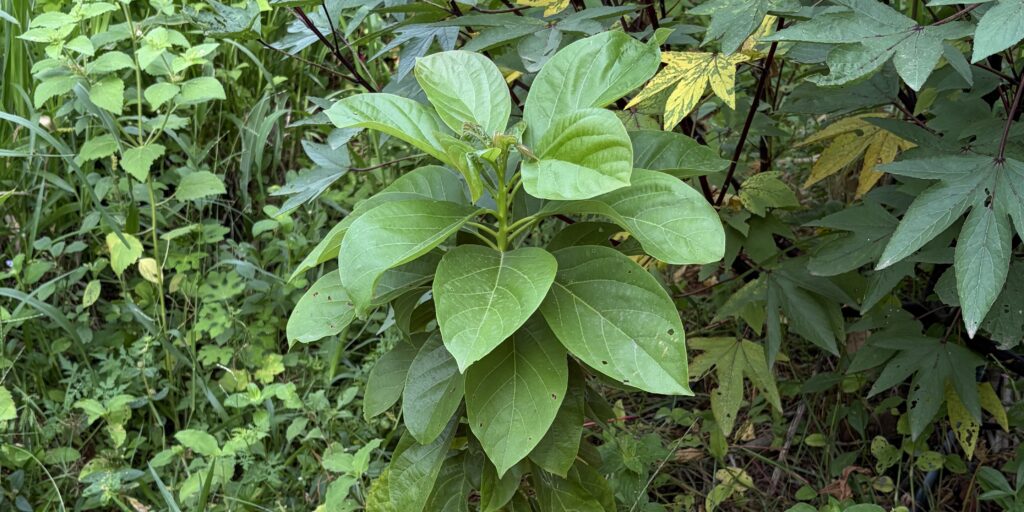
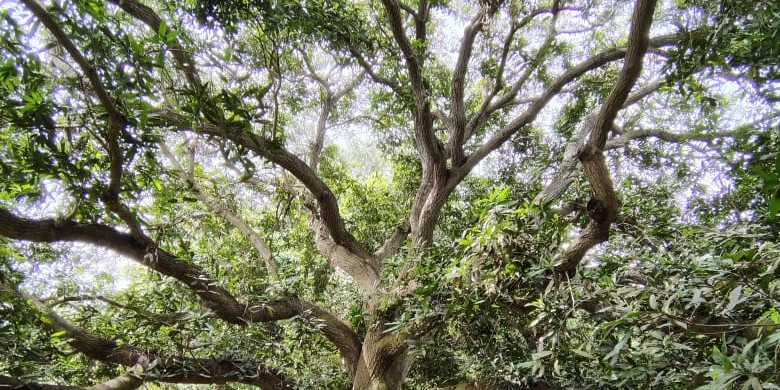
We get asked this question quite a lot! As Permaculture becomes more and more popular and perhaps projected as a wonderful solution for diversity and abundance, it is a general perception that “being a Permaculture farm” is the next big innovation in farming. ⠀⠀⠀⠀⠀⠀⠀⠀⠀⠀⠀⠀⠀⠀⠀⠀⠀⠀⠀⠀⠀⠀⠀⠀⠀ Home » Blog » Dry Tropical Syntropic Agroforestry Dry Tropical Syntropic Agroforestry July 2026 · Anshul Aggarwal Since 2023, we have been experimenting with syntropic agroforestry in different parts of AuroOrchard. This work is part of our wider effort to develop integrated perennial horticulture across the farm through new orchards,⠀⠀⠀⠀⠀⠀⠀⠀⠀⠀⠀⠀⠀⠀ The human relationship with productive forests is older than settled agriculture. Archaeological research shows that hunter-gatherers were actively shaping tropical forest ecologies tens of thousands of years ago through burning, plant movement, selective protection and the concentration of useful species. It would be inaccurate to describe all these practices as agroforestry in the present technical sense. Still, they show that humans were managing trees, plants and forest mosaics for food long before fields of domesticated crops became the basis of settled societies. Many Indigenous and traditional systems continue this long history: home gardens, forest gardens, shifting cultivation, mixed orchards, trees maintained within crop fields and animals grazing beneath tree cover. Modern agroforestry has organised these diverse practices into a recognised field of farming and research, but it did not invent the idea of cultivating with trees. Today, the Food and Agriculture Organization defines agroforestry as the deliberate integration of woody plants—trees, palms, shrubs or bamboo—with crops or animals, arranged together in space or through time. While the term is relatively modern, the practice of growing food within wooded landscapes is very old. Syntropic agriculture, also described as successional agroforestry, is a more recent approach within agroforestry, developed through the work of Swiss farmer and researcher Ernst Götsch.Götsch began field experiments in Europe during the 1970s and later continued his work in Costa Rica and Brazil. After settling in Bahia in the early 1980s, he developed cacao-based systems that combined food crops, fruit trees, service plants and longer-lived forest species. His work gradually became known as syntropic agriculture. In Götsch’s use of the word, syntropy refers to the capacity of living systems to generate increasing organisation, differentiation and complexity. We can create syntropy by understanding how plants can be arranged and managed so that each stage helps create the conditions for the next. Syntropic agriculture uses familiar agroforestry elements—trees, crops, succession, ground cover and biomass—but gives particular attention to: the position of each plant within the vertical canopy; the stage of succession at which it belongs; its life cycle and productive period; its function within the whole system; and the timing of pruning, harvesting and removal. It is therefore more than planting many crops together. It is an actively managed process in which the farmer continually observes how the plants are interacting and changes the system as it develops. Some plants produce food. Others are planted mainly to provide temporary shade, occupy space, protect the soil or generate biomass. Some remain for only a few months. Others become part of the permanent orchard. Designing in space and time A syntropic field is planned with two important considerations. The first is space. Plants are arranged according to the amount of light they require and the height they may eventually occupy. A coconut, avocado, papaya, pineapple and sweet potato use different parts of the vertical space. The second is time. Plants are arranged according to their life cycles and their place in the development of the system. Maize, pumpkin, watermelon and rosella may occupy the first few months. Papaya, moringa and lemongrass may remain for several years. Avocado, jackfruit, citrus and cacao form the longer-term orchard. The first appearance of the field is therefore not its final form. Short-lived plants are harvested. Support plants are pruned repeatedly. Some trees are eventually removed as the main fruit crops require more light and space. A papaya, for example, may protect a young avocado from direct summer sun and produce fruit during the first few years. As the avocado develops, the papaya may need to be cut back or removed. Its role was to help establish the next stage of the system. This combination of vertical stratification, different life cycles and planned succession is central to the design. The Syntropic Trend and the Gap Syntropic agriculture is now being explored in different forms and at very different scales. Its best-known examples are tropical cacao, coffee and fruit systems in Latin America, but the approach has also been adapted to market gardens, school gardens, Mediterranean orchards, temperate fruit and nut systems, and larger experiments combining grains, grasses and rows of trees. Scientific research is also beginning to examine syntropic farming more closely. A 2025 review brought together 67 empirical studies. Most were from tropical countries, with almost three-quarters coming from Brazil and Bolivia. Only one study in the review came from Asia, from Yunnan in China; none of the studies listed were from India. The review found encouraging results in areas such as agrobiodiversity, nutritional diversity, soil fertility, carbon storage, water cycling and plant health. Productivity comparisons with other farming systems were mixed. It also identified considerable demands for labour, knowledge, tools and active management. There is, therefore, a growing body of conceptual writing, practitioner experience and scientific study. What we have found less readily available is open, detailed documentation from dry tropical farms showing actual field dimensions, species quantities, irrigation arrangements, planting chronology, pruning, survival and the changes made over several years. This is the context in which we place our work at AuroOrchard. AuroOrchard has sandy soil, intense summer heat and long periods without significant rain. Young fruit trees require irrigation during establishment, and the plants grown for shade and biomass draw from the same limited water. These conditions shape decisions about density, spacing, species, succession and pruning. Through our trials, we hope to develop and share some practical examples of dry tropical syntropic agroforestry. Design Process Before planting, we
Initiating the Centre for Mango Conservation…
We get asked this question quite a lot! As Permaculture becomes more and more popular and perhaps projected as a wonderful solution for diversity and abundance, it is a general perception that “being a Permaculture farm” is the next big innovation in farming. ⠀⠀⠀⠀⠀⠀⠀⠀⠀⠀⠀⠀⠀⠀⠀ Home » Blog » Initiating the Centre for Mango Conservation & Research Initiating the Centre for Mango Conservation & Research July 2026· Anshul Aggarwal & Charan GP This year’s abundant mango harvest has felt like an auspicious beginning to the work of establishing a Centre for Mango Conservation & Research at AuroOrchard. The orchard has offered mangoes in a remarkable range of shapes, colours, fragrances, flavours and textures. Some are well-known varieties, while others are local, distinctive or still unidentified trees that have grown at AuroOrchard for many years. The harvest has brought renewed attention to the diversity already present here and to the importance of documenting and conserving it. India has one of the richest mango traditions in the world. Across different regions, hundreds of varieties have been selected, named, cultivated and shared over generations. Each carries its own flavour, use, growing characteristics, cultural associations and relationship with a particular place. Yet this diversity is becoming less visible as markets increasingly favour a smaller number of standard commercial varieties. Over the next three years, we hope to develop AuroOrchard’s existing mango orchard into a living collection of more than 100 varieties. This will include local, heritage, rare, regional and traditional mangoes, along with important commercial varieties and promising seedling selections. Our mango orchard currently contains 210 trees and more than 15 known varieties. The main orchard blocks were first surveyed and mapped and the trees were numbered in 2022. We have again surveyed the orchard and the existing records are being updated. This year’s harvest has also allowed us to begin observing and recording the flavour, fragrance, texture, colour and ripening period of the different fruits. The project is being developed in collaboration with Shyju Machathi and the Nattu Manchottil Educational and Indigenous Fruit Plants Conservation and Research Trust in Kerala. Shyju and the Nattu Manchottil community have played an important role in identifying, conserving and propagating indigenous mango varieties. In recognition of this work, the community received the Plant Genome Saviour Community Award in 2021. Their experience in identifying varieties, collecting scion material, grafting, nursery development and community-based conservation will help guide the work at AuroOrchard. The proposed Centre will include a living mango diversity collection, a professional nursery for grafted plants, a research and documentation programme, and a learning space for farmers, students, volunteers, researchers and visitors. We also hope to organise mango walks, tastings, exhibitions, grafting workshops and other programmes that allow people to experience mango diversity directly. Through this Centre, we hope AuroOrchard can become a home for mango varieties that may otherwise be forgotten, and a place where this diversity can continue to be grown, tasted, studied, propagated and shared. Previous ArticleNext Article Featured Articles Dry Tropical Syntropic Agroforestry 30 Jul 2026 Initiating the Centre for Mango Conservation… 29 Jul 2026 Dry Tropical Syntropic Agroforestry 30 Jul 2026 Initiating the Centre for Mango Conservation… 29 Jul 2026
Grateful for Abundance of Mangoes | 2026
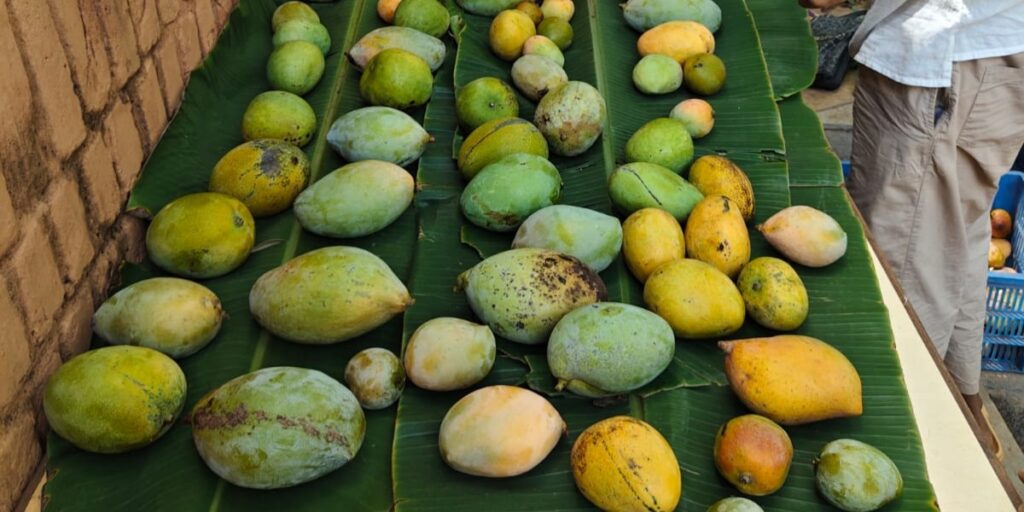
This year, the mango orchard offered us one of its most abundant harvests in recent memory. Over the course of the season, we harvested and distributed approximately 12 tonnes of mangoes. Home » Blog » Grateful for Abundance of Mangoes Grateful for Abundance of Mangoes July 2026· Anshul Aggarwal This year, the mango orchard offered us one of its most abundant harvests in recent memory. Over the course of the season, we harvested and distributed approximately 12 tonnes of mangoes. The orchard contains more than 15 known varieties, each arriving at a slightly different time and with its own particular shape, colour, aroma, flavour and texture. Among them are Banganapalli, Sindhoora, Neelam, ImamPasand, Totapuri, Rajapuri, Malgova, Dilpasand, Kalapadi, Redigola, Kader along with several old and distinctive trees whose varieties are still being identified. A likely part of this year’s abundance could be just the right sequence of the weather. Good rains before the flowering period followed by a relatively drier period allowed appropriate moisture at the right time for flower and fruit setting. However, it seems that several conditions would have come together, and the orchard responded with extraordinary generosity. Of the total harvest, 11.6 tonnes, nearly 97%, were distributed within Auroville! Together with the fruit supplied to the Ashram, practically the entire harvest remained within Auroville and its neighbouring community. This season also renewed our appreciation of the diversity already present at AuroOrchard and strengthened our intention to document, conserve and care for these trees for the years ahead. We want to thank the entire community for helping in distributing these mangoes, for using as much as they could, for their understanding feedback when the mangoes were not good, and for enjoying this abundance with us. Previous ArticleNext Article Featured Articles Dry Tropical Syntropic Agroforestry 30 Jul 2026 Initiating the Centre for Mango Conservation… 29 Jul 2026 Dry Tropical Syntropic Agroforestry 30 Jul 2026 Initiating the Centre for Mango Conservation… 29 Jul 2026
The World of Bananasㅤㅤㅤㅤㅤㅤ
We recently hosted a beautiful knowledge sharing session on bananas with Vinod Sahadevan Nair, whose ㅤ ㅤ Home » Blog » The World of Bananas The World of Bananas Febuary 2026 · Charan GP We recently hosted a beautiful knowledge-sharing session on bananas with Vinod Sahadevan Nair, whose deep passion and lifelong work with banana diversity inspired everyone present. He shared his journey, cultural associations of bananas across regions, and practical insights into cultivation, propagation, and managing diverse varieties in a sustainable way. The session explored the many dimensions of bananas, from their nutritional value and health relevance to the wide range of uses from fruit, stem, flower, and leaves. Farmers and growers from Auroville actively participated, asking thoughtful questions on cultivation practices, disease management, and varietal selection, making it a rich and interactive exchange. The gathering concluded with a visit to the banana plantation at Auro Orchard, where participants could observe the diversity and growing systems more closely. Watch the entire session here We recently hosted a beautiful knowledge-sharing session on bananas with Vinod Sahadevan Nair, whose deep passion and lifelong work with banana diversity inspired everyone present. He shared his journey, cultural associations of bananas across regions, and practical insights into cultivation, propagation, and managing diverse varieties in a sustainable way. The session explored the many dimensions of bananas, from their nutritional value and health relevance to the wide range of uses from fruit, stem, flower, and leaves. Farmers and growers from Auroville actively participated, asking thoughtful questions on cultivation practices, disease management, and varietal selection, making it a rich and interactive exchange. The gathering concluded with a visit to the banana plantation at Auro Orchard, where participants could observe the diversity and growing systems more closely. Watch the entire session here Key Learnings from the session for the current and future AuroOrchard plantations 1. Variety-Specific Needs Matter One of the most important learnings is that each banana variety has different requirements in terms of water, nutrients, spacing, and care. For instance, red banana varieties require comparatively higher water and manure, especially during the initial establishment stage. Treating all varieties the same can affect their growth and overall health. 2. Sprouting and Establishment Differ by Variety We observed that different banana varieties sprout at different rates and show varied early growth patterns. This highlights the importance of patient observation during the first few weeks rather than assuming uniform growth across all planted suckers. 3. Soil and Climate Suitability is Crucial Planting multiple banana varieties also became a living experiment to understand how each variety responds to the local soil and climate conditions. Not every variety adapts equally, and observing their response helps identify which ones are best suited for the specific microclimate of the orchard. 4. Spacing Requirements Vary Across Varieties Certain varieties, especially larger ones like red banana, require wider spacing for healthy growth, while some smaller or compact varieties can thrive with relatively less spacing. Proper spacing ensures better sunlight exposure, airflow, and root development. 5. Importance of Sunlight Banana plants require good sunlight for healthy growth. Adequate exposure supports stronger vegetative development and overall plant vigor, especially in the early stages after planting. 6. Handling and Transport of Suckers A practical learning was that banana suckers are quite resilient and can be transported and stored under shade for about one to two weeks without major issues, provided they are handled properly and not exposed to harsh sun or waterlogging. 7. Diversity in Taste, Texture, and Cultural Value Each banana variety differs in aroma, texture, taste, and cultural relevance. This diversity reflects not only agricultural richness but also the cultural and traditional significance associated with different banana types. 8. Water Management During Early Growth Due to excessive water accumulation in some planted areas, we had to cut the top portion of certain sprouts that were submerged. This reinforced how sensitive young banana plants are to waterlogging and the need for proper drainage management. 9. Bed Management and Animal Disturbance After clearing the beds, chickens and ducks from neighboring land frequently entered and dug into the soil in search of food, especially because the beds were bare and weed-free. This created a new challenge in protecting early sprouts, leading to the consideration of netting and protective measures. 10. Intercropping Observations Pumpkins were planted alongside the banana plants as a companion crop. While bananas are expected to take around 9 to 12 months for harvest, pumpkins are establishing well and are likely to be harvested earlier, around May. This supports better land use and short-term productivity. 11. Previous Crop Influence (Papaya) Before bananas, the beds had papaya plants that showed signs of viral infection and gradual decline. Many affected plants had to be removed, and this raised the need to assess soil health, identify possible root causes, and take corrective steps for long-term resilience of the plantation. 12. Early Growth Monitoring Phase Encouragingly, almost all planted banana suckers have sprouted. The next one to one and a half months will be critical for observing shoot health, vigor, and overall establishment to ensure strong future growth. 13. Adaptive Learning Through Observation Overall, the plantation is evolving as a dynamic learning space, where continuous observation of plant response, soil condition, water management, biodiversity, and protection methods is guiding more informed and context-specific cultivation decisions. Key Learnings from the session for the current and future AuroOrchard plantations 1. Variety-Specific Needs Matter One of the most important learnings is that each banana variety has different requirements in terms of water, nutrients, spacing, and care. For instance, red banana varieties require comparatively higher water and manure, especially during the initial establishment stage. Treating all varieties the same can affect their growth and overall health. 2. Sprouting and Establishment Differ by Variety We observed that different banana varieties sprout at different rates and show varied early growth patterns. This highlights the importance of patient observation during the first few weeks rather than assuming uniform growth across all planted suckers. 3. Soil and Climate
Our Brewery for Plant Health
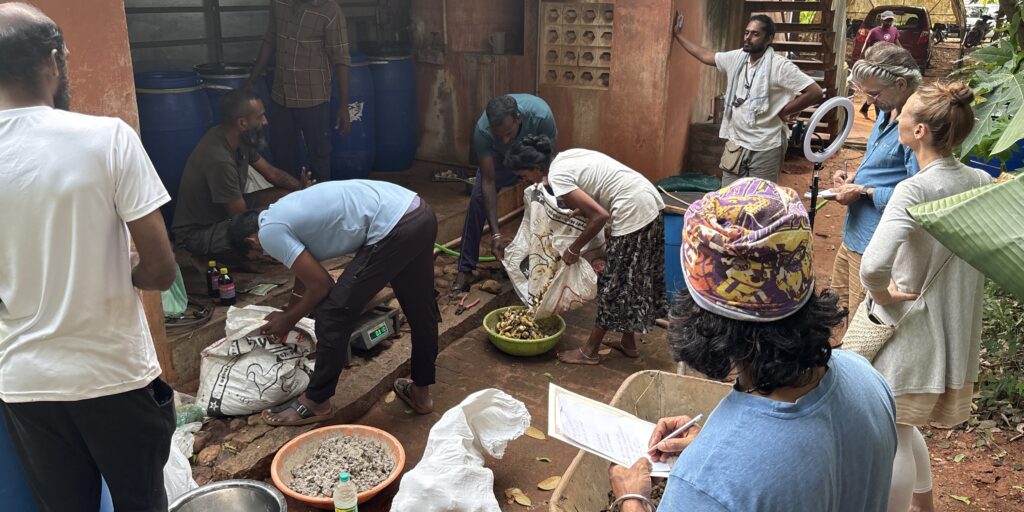
There is a common myth that imbalances in insect populations will disappear if agricultural systems are brought “back into balance.” This assumption rests on the idea that agriculture itself is a balanced ecosystem, which is fundamentally incorrect. Agricultural systems—even in their most natural forms—are human-designed systems, shaped by human needs, diets, and production goals. Home » Blog » Our Brewery for Plant Health Our Brewery for Plant Health December 2025 · Anshul Aggarwal There is a common myth that imbalances in insect populations will disappear if agricultural systems are brought “back into balance.” This assumption rests on the idea that agriculture itself is a balanced ecosystem, which is fundamentally incorrect. Agricultural systems—even in their most natural forms—are human-designed systems, shaped by human needs, diets, and production goals. While diversification and ecological practices can reduce the severity of pest outbreaks, they cannot eliminate them. Modern agriculture, which serves diets limited to a relatively small range of vegetables and fruits, necessarily restricts the diversity that can be accommodated on the farm. In this sense, persistent insect pressure is an inherent feature of agriculture. It cannot be completely resolved, only moderated through careful and continuous management (Oerke, 2005). Moreover, pest pressure today is shaped not only by on-farm diversity, but by the biology of the larger landscape and by changing climatic conditions. Research in agroecology and landscape ecology helps explain why pest pressure can remain high even in diversified farms. Studies show that while ecological practices like crop diversification and habitat enhancement can increase populations of natural enemies, they do not always translate into consistent pest suppression in every field because pest regulation depends strongly on landscape context and habitat structure beyond the farm boundary. For example, natural pest control tends to be stronger in complex, patchy landscapes, with abundant non-crop habitats that support predators and parasitoids, but this effect varies and is not guaranteed (Bianchi et al., 2006; Poveda et al., 2025). Another important limitation of ecological pest regulation lies in the difference between ecological and agricultural time scales. Predator–prey relationships, soil food webs, and habitat-based regulation often require many years to stabilise, whereas farms operate on seasonal cycles that demand immediate outcomes. Farmers must harvest crops within weeks or months, not decades. This temporal mismatch means that even ecologically well-designed farms often need active interventions to bridge the gap between long-term ecological recovery and short-term production needs. In our own production analyses, we found that we lose around 30% of certain crops due to insect damage. These include borers, mealybugs, hoppers, and beetles on brinjal; aphids on long beans; blister beetles on lady fingers and beans; and red gourd beetles on pumpkins, cucumbers, and other gourds—despite years of intercropping, flowering hedges, and multi-layered cropping systems. To prevent severe losses, we have so far relied on neem oil sprays and commercially available biopesticides such as Beauveria bassiana (a fungus) and Bacillus thuringiensis (a bacterium). While effective to a degree, these are purchased inputs. We have therefore been exploring more diverse, farm-made preparations such as Themmor Karaisal, Panchagavya, and fermented leaf extracts using plants like Calotropis, Adhatoda, castor, and moonflower—though not yet with full consistency. Our goal has never been a complete elimination of insects, but the cultivation of systems capable of tolerating a certain level of damage without catastrophic crop loss. So far, we have accepted around 30% as the fair share, our contribution to the ecology, the tax the farmer pays to the land for setting up agriculture. However, given the precarious financial situation on the farm as well as the pressure to deliver more food for the community, we are forced to re-assess if some of these losses can be avoided without damaging the ecosystem. Recently, we met the Aarka team (Elen and Shankar), who have developed formulations aimed at rebuilding functional ecological relationships that were historically embedded in farming systems, though under very different population, climatic, and landscape conditions. Their herbal preparation, Aarka, can be applied in dilution and combined with other ferments—such as oil mixes, fish amino acids, and Themmor Karaisal—for foliar sprays to reduce fungal, bacterial, and insect pressure. These bioferments not only prevent “pests” but also deliver essential herb compounds and micronutrients to the plants, strengthening them and building their own capacity to deal with biological pressures. We organised an afternoon of preparing these different formulations together with our team and developed a plan to use them more consistently, as part of an ongoing effort to reduce crop losses while working within the ecological limits of contemporary agriculture. Our brewery now consists of the following ferments: Aarka solution fermented with sugars and proteins Jeevamrit (fermented mix of cow dung and urine) Panchagavya (fermented mix of the five gifts from the cow–dung, urine, milk, curd, ghee) Themmor Karaisal (fermented mix of curd and coconut milk) Oil concoction (Castor, Mahua, Pongam and Neem oils) Fish amino acids (fish waste fermented with banana) Biopotash solution (ash in rainwater) In the coming days, weeks and months, we aim to consistently inoculate our soil and plant ecology with these ferments and observe the response in terms of plant health and productivity. There is a common myth that imbalances in insect populations will disappear if agricultural systems are brought “back into balance.” This assumption rests on the idea that agriculture itself is a balanced ecosystem, which is fundamentally incorrect. Agricultural systems—even in their most natural forms—are human-designed systems, shaped by human needs, diets, and production goals. While diversification and ecological practices can reduce the severity of pest outbreaks, they cannot eliminate them. Modern agriculture, which serves diets limited to a relatively small range of vegetables and fruits, necessarily restricts the diversity that can be accommodated on the farm. In this sense, persistent insect pressure is an inherent feature of agriculture. It cannot be completely resolved, only moderated through careful and continuous management (Oerke, 2005). Moreover, pest pressure today is shaped not only by on-farm diversity, but by the biology of the larger landscape and by changing climatic conditions. Research in agroecology
Flow of fire and water on the farmㅤㅤ
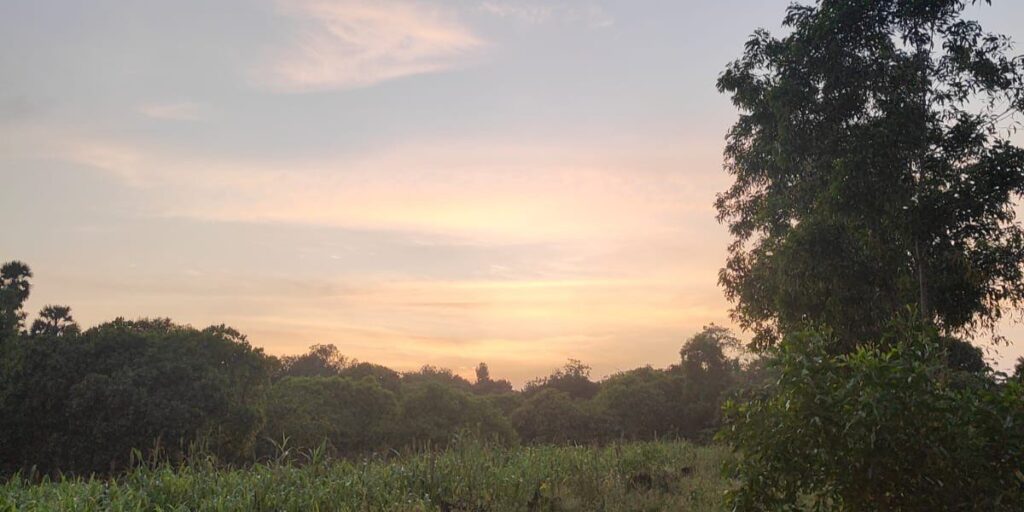
In the Sāṃkhya school of Indian philosophy, the unfolding of matter from spirit gives rise to the senses and to the five elemental manifestations of the material world. From space, emerges air, the principle of movement, and fire, the principle of transformation. Then comes water, carrying flow, continuity, and the subtle pulsations of energy through matter. From the settling of this movement is born earth, the solid ground where life takes form and rests in its full potential. Home » Blog » Flow of fire and water on the farm Flow of fire and water on the farm December 2025 · Anshul Aggarwal In the Sāṃkhya school of Indian philosophy, the unfolding of matter from spirit gives rise to the senses and to the five elemental manifestations of the material world. From space, emerges air, the principle of movement, and fire, the principle of transformation. Then comes water, carrying flow, continuity, and the subtle pulsations of energy through matter. From the settling of this movement is born earth, the solid ground where life takes form and rests in its full potential. Farming is an interaction of all these elements—an ongoing exchange between soil, water, light, air, and the consciousness of the one who tends them. While the Sun remains the primary fire and source of energy, we now also work with another form of fire: electricity, which powers pumps, motors, vehicles, tools, and the quiet machines woven into daily life on the farm. Similarly, rain brings water in its natural rhythm, but we have also learnt to draw from the rainwater stored underground. The farm has three borewells, each serving a specific area and purpose. In this way, the ancient flows of fire and water manifest today as the flows of electricity and irrigation lines across the land. These flows move together; they remain the source of energy for all work on the farm. Over the last fifty-eight years, these flows have gradually expanded to cover a large part of the farm. But further extension is needed to serve areas still cultivated sub-optimally. One might ask: why expand this infrastructure at all? Shouldn’t some parts remain free of artificial flows? Aren’t the Sun and the rain enough? Isn’t natural vegetation sufficient? These questions are part of an enduring dilemma in human life. Our footprint on the planet is large; the footprint of farming especially so. Agriculture is the world’s largest consumer of water, a driver of deforestation and biodiversity loss, a source of carbon emissions, and—in its industrial form—the cause of immense ecological, animal, and human suffering. In such a scenario, it is natural to think that the solution lies in withdrawal: if only humans stepped back, perhaps the earth would regain its balance. We witnessed glimpses of this during the Covid pandemic, when air grew cleaner and wildlife briefly reclaimed spaces near cities. But this brings us to a deeper question: what then is the role of humanity at all? It cannot be inaction. And as our experience shows, even the smallest human action today has ecological and social consequences. Integral Yoga would tell us that our role is not domination but participation—a conscious collaboration with the creative force of nature for mutual growth and progress. Agriculture is one of the clearest expressions of this human–nature participation. Thus, expanding human activity on the farm can arise from two very different impulses–domination, colonisation, and control, or service to the land and to the community—enhancing the ecosystem, the soil, the earth, and producing food for the people we serve. We strive (with successes and failures) toward the latter. In the coming year, we aim to expand our micro-irrigation network as we establish new orchard blocks and diversify existing fruit areas. This year we have learned how communities of crops support one another and reduce the overall water footprint of the farm—simply because the soil remains densely covered with vegetation: some plants grown as food for the farm, others as food for the soil, insects, bees, and birds. Our primary focus will be the mango and cashew orchards, the oldest sections of the farm, which at present are monocultures. Our experiments with cultivating pineapple, ginger, turmeric, yam, and taro within existing orchards have given remarkable results, and we hope to continue this diversification. And water needs energy to flow. As our irrigation network expands, so does the need for energy—whether through electrical connections, lines, or solar-powered pumps. Meanwhile, some of the existing infrastructure, built over many decades, now needs repair and renewal. These are our goals for the coming year—to tend to the flows of fire and water on the farm, the two essential elements for movement and transformation without which both the earth and human consciousness remain sterile. And given the changes the farm (and Auroville) has witnessed in the last few years, it is evident that the psyche of the farm too needs a movement and transformation, as it goes through a radical transition socially, politically and economically. Previous Article Featured Articles Monthly Updatesㅤㅤㅤㅤㅤㅤㅤㅤ 28 Nov 2025 Abundance Product of the Month 22 Oct 2025 Flow of fire and water on the farmㅤㅤ 03 Dec 2025 Hands-On Approachㅤㅤㅤㅤㅤㅤㅤㅤㅤ 29 Nov 2025
Hands-On Approachㅤㅤㅤㅤㅤㅤㅤㅤㅤ
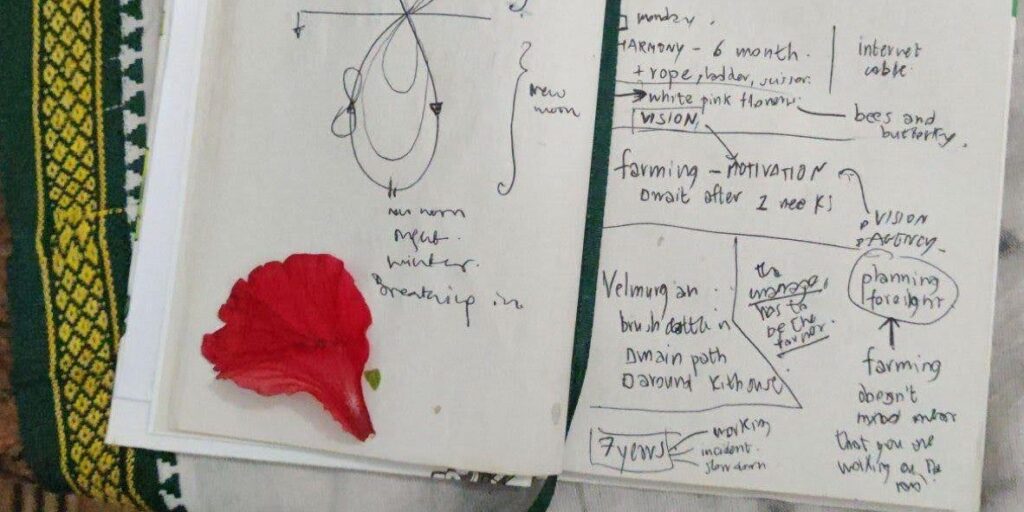
But you can truly learn when your feet and hands are on the field. The greatest knowledge is that which is applied to daily life. Home » Blog » Hands-On Approach Hands-On Approach 25 November 2025 · Fabio Karlino “Nowadays everyone could become (intellectually) a farmer.We have books, schools, courses, youtube videos …”But you can truly learn when your feet and hands are on the field.The greatest knowledge is that which is applied to daily life. And this happens in AuroOrchard.Ideas are welcome, brainstorming is magnificent, vision is encouraged.But let’s start from the ground, let’s start talking with naturebecause farming is a conversation with nature and with ourselves. First, as humans, we should grow discipline in the orchard of our good habits.The discipline to be constant, be patient and wait for the seedsthat we’ve planted with love, welcome them by preparing their bedswhere they’re gonna sleep, breathe and live. Why farming?What does it mean to be a farmer?How could human artificial activity be called ‘natural farming’?The mind is hungry for answers. Be patient, the answers will come through experience.You don’t need to rush to search on the artificial web,look inside you, wait for the universe to provide you the keysnot encapsulated in words and concepts but feelings, experiences. Then a good talk with another human,especially if it is an experienced one like Anshul,could really help to recalibrate and transfer learning. The core of farming is food.This is the basic but fundamental starting point.Around this first principlehumans create families, communities, organizations. To be a farmer is not just being on the land with dirty hands,Farming means planning, forecasting, researching, experimenting.It’s an equilibrium, a balance between physical and intellectual activity,between materialism and spirituality for the parallel evolution of both. Natural farming does not exist. Have you ever seen a farm naturally grow somewhere with no human intervention?What we define natural farming are all techniques and practices used in agriculturein order to mimic the natural processes. Just like in a forest the leaves naturally cover the soil making it humid and fertilein the same way we are mulching by putting branches and leaves from the pruning.The bio inputs of the animals and microorganisms that live in the forestare replicated with a layer of compost and biomass. Is there room for improvement? Of course.What will the future of farming look like? We are creating it.What’s the best way to learn? Hands-on approach. Previous ArticleNext Article Featured Articles Monthly Updatesㅤㅤㅤㅤㅤㅤㅤㅤ 28 Nov 2025 Abundance Product of the Month 22 Oct 2025 Flow of fire and water on the farmㅤㅤ 03 Dec 2025 Hands-On Approachㅤㅤㅤㅤㅤㅤㅤㅤㅤ 29 Nov 2025
The Flying Houseㅤㅤㅤㅤㅤㅤㅤㅤㅤㅤㅤ
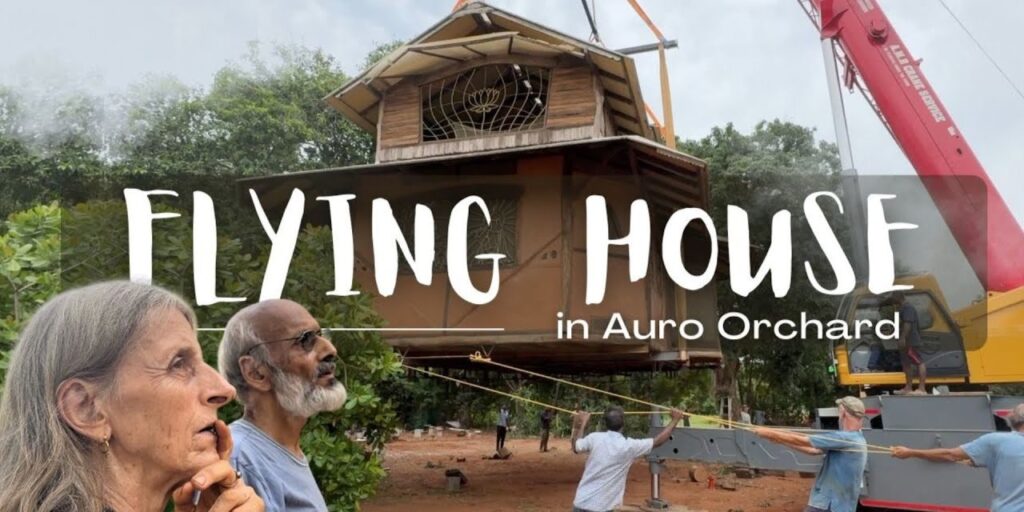
Here we are sharing a ’story within the story’, of the house of two Aurovilians that was discovered to be ‘on the wrong side’ of the new boundary, and was saved and air-lifted thanks to the efforts of a whole community that came together in solidarity. Watch the adventure of Auro Orchard’s Flying House’ in its epic journey of … 35 metres, back onto the soil of Auroville! Home » Blog » The Flying House The Flying House November 2025 · Jasmin Maheshwari https://www.youtube.com/watch?v=Hqe1SwP3qJA Auro Orchard has survived the loss of more than a third of its land and vital infrastructure in the ‘land exchanges’ two years ago. How the farm recovered and today has started to shine with new light, is a story of resilience and grace that is yet to be told. Here we are sharing a ’story within the story’, of the house of two Aurovilians that was discovered to be ‘on the wrong side’ of the new boundary, and was saved and air-lifted thanks to the efforts of a whole community that came together in solidarity. Watch the adventure of Auro Orchard’s Flying House’ in its epic journey of … 35 metres, back onto the soil of Auroville! Previous ArticleNext Article Featured Articles Abundance Product of the Month 22 Oct 2025 Monthly Updatesㅤㅤㅤㅤㅤㅤㅤㅤ 22 Oct 2025 Recipe Alert!ㅤㅤㅤㅤㅤㅤㅤㅤㅤㅤㅤ 01 Dec 2025 The Flying Houseㅤㅤㅤㅤㅤㅤㅤㅤㅤㅤㅤ 01 Dec 2025