Conscious Technology…ㅤㅤㅤ
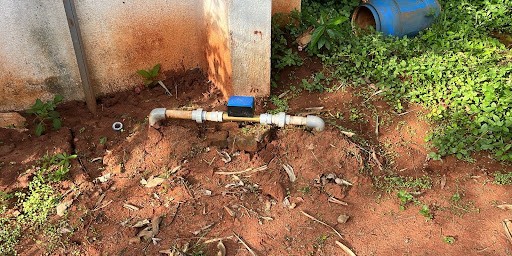
Flow meters that were already installed and became defunct after the land exchange have been revived. In the mango orchard and lemon orchard, they measure the amount of water used for irrigation and help us understand ⠀⠀⠀⠀⠀⠀⠀⠀⠀⠀⠀⠀⠀⠀⠀⠀⠀⠀⠀⠀⠀⠀⠀⠀⠀ Home » Blog » conscious-technology-project-update Conscious Technology Project Update August 2026 · Azhaganandan Veerappan, Anshul Aggarwal Technology, particularly Artificial Intelligence and the Internet of Things, is rapidly transforming agriculture across the world. Some visions of the future imagine farms where machines replace most forms of human labour. While automation can offer significant benefits, it also raises important questions: What happens when agriculture becomes increasingly mechanised? What is the place of the farmer? Can technology deepen our relationship with the land, or does it risk distancing us further from it? We are exploring an approach of technology at a human scale. Through the AuroOrchard Conscious Technology Lab, we are experimenting with ways in which technology can support farmers without displacing them, reduce repetitive labour without removing human attention, and contribute to both ecological stewardship and conscious evolution. The first phase of the project, supported by a grant from the Dutch foundation Stichting De Zaaier, began with one of the farm’s most essential and demanding areas of work: water management. Irrigation requires regular monitoring of pumps, tanks, pipelines and different cultivation areas. It is also an area where small inefficiencies can result in significant water loss. Between February and May 2026, the Lab began establishing an interconnected system for automating irrigation and collecting data about how water moves through the farm. One of the first steps was automating the main irrigation sump. Previously, the three-phase pump had to be started and stopped manually. A float sensor and controller now detect the water level: when the sump is empty, the motor starts automatically, and when it is full, the motor stops. The cabling has been placed underground in protected casing and connected to a new control panel. A similar system has been installed for the overhead water tank, preventing overflow and reducing the need for constant manual intervention. Water meter and automation for drinking water tanks These are simple changes and very simple technologies that have been available for a long time,, but they already reduce repetitive work, improve reliability, prevent dry running of motors and minimise water wastage. More importantly, they allow the farm team to direct its time and attention towards work that requires observation, judgment and care. The Lab has also installed and configured a LoRaWAN gateway. LoRa is a low-power, long-range communication system that allows sensors distributed across the farm to transmit information to one central platform. The gateway now receives data from the connected flow meters and sensors, creating the basic infrastructure for farm-wide monitoring. LoRaWAN gateway installed on the volunteer accommodation structure Flow meters that were already installed and became defunct after the land exchange have been revived. In the mango orchard and lemon orchard, they measure the amount of water used for irrigation and help us understand consumption patterns over time. Another meter monitors irrigation in the banana beds at Hope, where the data can help prevent over-irrigation. A DN20 flow meter has also been installed on the overhead tank to track drinking-water use and daily distribution patterns. Flow meters re-installed after land exchange- Hope, Lemon Orchard and Mango Orchard Alongside water-flow monitoring, a soil sensor has been installed to measure moisture, temperature and electrical conductivity. These measurements can help us move beyond irrigation based only on fixed schedules. Over time, we hope to better understand what the soil and plants actually require under changing weather and seasonal conditions. The sensor and flow-meter data are being brought together through a cloud-based dashboard, currently under development, which offers a real-time view of conditions across the farm. All this data is being put up on this dashboard which is still under construction: https://auroorchard-dashboard.netlify.app/ A screenshot of the dashboard The next phase will focus on making this system more responsive. We plan to refine the soil-moisture sensor design, improve how the data is displayed, and develop valve and motor logic that can switch irrigation on or off in response to field conditions. We will also work on greenhouse irrigation calculations and conduct practical experiments to understand where automation is genuinely useful and where the farmer’s direct presence remains essential. As the project develops, we hope to host workshops and training sessions where farmers, technologists and community members can learn from the systems, question them and reflect together on the relationship between ecology, technology and consciousness. Previous ArticleNext Article Featured Articles Words of appreciation…ㅤㅤㅤㅤㅤ 27 Aug 2026 Monthly Updatesㅤㅤㅤㅤㅤㅤㅤㅤ 26 Aug 2026 Words of appreciation…ㅤㅤㅤㅤㅤ 27 Aug 2026 Words of appreciation…ㅤㅤㅤㅤㅤ 26 Aug 2026
Dry Tropical Syntropic Agroforestry
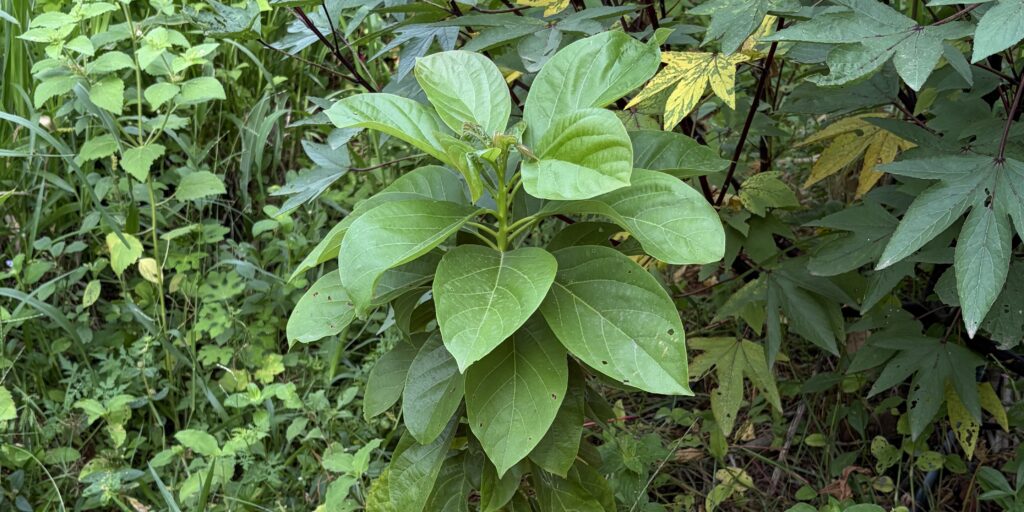
We get asked this question quite a lot! As Permaculture becomes more and more popular and perhaps projected as a wonderful solution for diversity and abundance, it is a general perception that “being a Permaculture farm” is the next big innovation in farming. ⠀⠀⠀⠀⠀⠀⠀⠀⠀⠀⠀⠀⠀⠀⠀⠀⠀⠀⠀⠀⠀⠀⠀⠀⠀ Home » Blog » Dry Tropical Syntropic Agroforestry Dry Tropical Syntropic Agroforestry July 2026 · Anshul Aggarwal Since 2023, we have been experimenting with syntropic agroforestry in different parts of AuroOrchard. This work is part of our wider effort to develop integrated perennial horticulture across the farm through new orchards,⠀⠀⠀⠀⠀⠀⠀⠀⠀⠀⠀⠀⠀⠀ The human relationship with productive forests is older than settled agriculture. Archaeological research shows that hunter-gatherers were actively shaping tropical forest ecologies tens of thousands of years ago through burning, plant movement, selective protection and the concentration of useful species. It would be inaccurate to describe all these practices as agroforestry in the present technical sense. Still, they show that humans were managing trees, plants and forest mosaics for food long before fields of domesticated crops became the basis of settled societies. Many Indigenous and traditional systems continue this long history: home gardens, forest gardens, shifting cultivation, mixed orchards, trees maintained within crop fields and animals grazing beneath tree cover. Modern agroforestry has organised these diverse practices into a recognised field of farming and research, but it did not invent the idea of cultivating with trees. Today, the Food and Agriculture Organization defines agroforestry as the deliberate integration of woody plants—trees, palms, shrubs or bamboo—with crops or animals, arranged together in space or through time. While the term is relatively modern, the practice of growing food within wooded landscapes is very old. Syntropic agriculture, also described as successional agroforestry, is a more recent approach within agroforestry, developed through the work of Swiss farmer and researcher Ernst Götsch.Götsch began field experiments in Europe during the 1970s and later continued his work in Costa Rica and Brazil. After settling in Bahia in the early 1980s, he developed cacao-based systems that combined food crops, fruit trees, service plants and longer-lived forest species. His work gradually became known as syntropic agriculture. In Götsch’s use of the word, syntropy refers to the capacity of living systems to generate increasing organisation, differentiation and complexity. We can create syntropy by understanding how plants can be arranged and managed so that each stage helps create the conditions for the next. Syntropic agriculture uses familiar agroforestry elements—trees, crops, succession, ground cover and biomass—but gives particular attention to: the position of each plant within the vertical canopy; the stage of succession at which it belongs; its life cycle and productive period; its function within the whole system; and the timing of pruning, harvesting and removal. It is therefore more than planting many crops together. It is an actively managed process in which the farmer continually observes how the plants are interacting and changes the system as it develops. Some plants produce food. Others are planted mainly to provide temporary shade, occupy space, protect the soil or generate biomass. Some remain for only a few months. Others become part of the permanent orchard. Designing in space and time A syntropic field is planned with two important considerations. The first is space. Plants are arranged according to the amount of light they require and the height they may eventually occupy. A coconut, avocado, papaya, pineapple and sweet potato use different parts of the vertical space. The second is time. Plants are arranged according to their life cycles and their place in the development of the system. Maize, pumpkin, watermelon and rosella may occupy the first few months. Papaya, moringa and lemongrass may remain for several years. Avocado, jackfruit, citrus and cacao form the longer-term orchard. The first appearance of the field is therefore not its final form. Short-lived plants are harvested. Support plants are pruned repeatedly. Some trees are eventually removed as the main fruit crops require more light and space. A papaya, for example, may protect a young avocado from direct summer sun and produce fruit during the first few years. As the avocado develops, the papaya may need to be cut back or removed. Its role was to help establish the next stage of the system. This combination of vertical stratification, different life cycles and planned succession is central to the design. The Syntropic Trend and the Gap Syntropic agriculture is now being explored in different forms and at very different scales. Its best-known examples are tropical cacao, coffee and fruit systems in Latin America, but the approach has also been adapted to market gardens, school gardens, Mediterranean orchards, temperate fruit and nut systems, and larger experiments combining grains, grasses and rows of trees. Scientific research is also beginning to examine syntropic farming more closely. A 2025 review brought together 67 empirical studies. Most were from tropical countries, with almost three-quarters coming from Brazil and Bolivia. Only one study in the review came from Asia, from Yunnan in China; none of the studies listed were from India. The review found encouraging results in areas such as agrobiodiversity, nutritional diversity, soil fertility, carbon storage, water cycling and plant health. Productivity comparisons with other farming systems were mixed. It also identified considerable demands for labour, knowledge, tools and active management. There is, therefore, a growing body of conceptual writing, practitioner experience and scientific study. What we have found less readily available is open, detailed documentation from dry tropical farms showing actual field dimensions, species quantities, irrigation arrangements, planting chronology, pruning, survival and the changes made over several years. This is the context in which we place our work at AuroOrchard. AuroOrchard has sandy soil, intense summer heat and long periods without significant rain. Young fruit trees require irrigation during establishment, and the plants grown for shade and biomass draw from the same limited water. These conditions shape decisions about density, spacing, species, succession and pruning. Through our trials, we hope to develop and share some practical examples of dry tropical syntropic agroforestry. Design Process Before planting, we
Monthly Updatesㅤㅤㅤㅤㅤㅤㅤㅤ
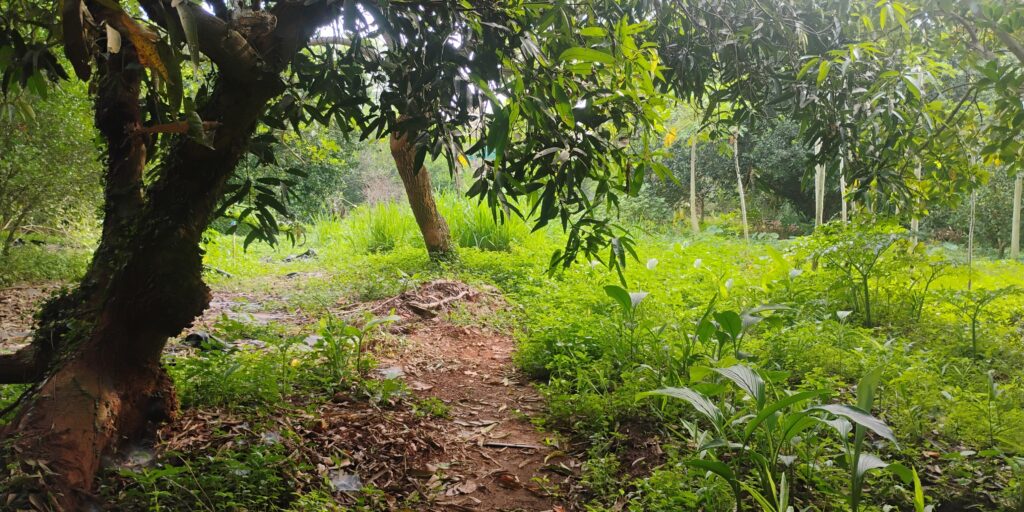
They are now drinking lemon juice from the farm and occasionally some buttermilk to keep cool. The Humane Home » Blog » Monthly Updates Monthly Updates August 2026 · AuroOrchard Poultry Egg consumption has again increased in Auroville after the summer. However, our production is now less as we say goodbye to our oldest flock and prepare to shift the youngest flock to the laying coop. Birds in general are doing much better due to better weather and more greens in the free-range after the rains. We will soon be welcoming day-old chicks in our nursery coop. Vegetable garden Happy to receive the rains after a lot of anticipation. Due to extreme heat, vegetable production was not good this season. Many things that were planted simply died due to heat, and lack of moisture in the soil and air. Since the rains, we have planted more beans, brinjal, pumpkin, ladies fingers, sweet potatoes and groundnut! We are planting groundnuts after 8 years on the farm. Herbs continue to be planted in the greenhouse, and we are also starting winter beans like winged beans. Now we begin to reduce vegetable planting in anticipation of the winter monsoon starting in two months. Orchards Finally, we managed to plant lime, papaya, rosella, pineapple- all of which were pending due to the absence of rains. We have established these new clusters in the mango orchard. Our current lime trees are about 40 years old and will reduce/stop producing in the next 3 to 5 years. By then these new trees should start producing. After the massive loss of Papaya trees due to the viral infection last year, we are hoping to have good harvests post-monsoon next year. Our team continues to prune and mulch the existing orchards and we are preparing to plant some native mango varieties in the mango orchard soon. Seeds & Nursery The nursery work is much better now with cages and mosquito nets. The pressure from squirrels and rats is intense and even a single box left unprotected is damaged overnight. Meanwhile, we managed to plant a lot of things from the nursery post-rains, and our wonderful team completed around 30 large nursery orders from our community! We continue to sow, transplant and start tree saplings now in preparation for winter monsoon. Abundance As we have crossed the busy fruit season, we now have more time to organise our stock, focus on abundant vegetables, herbs and greens. At the moment, we are busy processing Pomelos, Lime, Avocados, and leaves of Rosella and Moringa. There has been a growing demand for farm products from other locations in Tamil Nadu, especially Thiruvanamalai, Chennai and even Bangalore. We are soon launching our new labels that will allow us to distribute these products beyond Auroville. Research & Education This month we hosted a 3 day course on learning from the land in collaboration with Deepika and Bernard from Pebble Garden. The course was attended by 13 people of different ages and backgrounds. It was heartening to see the interest and curiosity of the participants affirming the need for sharing more of what we do. Weekly open sessions have also been regularly conducted, the last one being on mapping biodiversity at the farm launching a new research project on the farm to assess the impacts of climate change on agriculture in Auroville region and how the practices at AuroOrchard could respond to these challenge Poultry The summer has been tough on the birds. We somehow managed with lime water and buttermilk but clearly the heat was a big stress for the birds. We are now installing large exhaust fans in the coops, to help with ventilation and some temperature regulation. In the last months, we also started working with Egle at Aurora to process the chicken meat into forms that are easily usable by people since the meat from older free-range chickens is tougher and cannot be used like the tender broiler meat that is available in the market. Also grateful to the Auroville Bakery for receiving AuroOrchard eggs during summer when the consumption in Auroville was very low. Vegetable garden Through the summer, we have been harvesting Brinjal, Lady’s fingers, Cucumber, Cluster beans, some pumpkin, Drumsticks, spinach of different kinds. Most beds are under Sunnhemp which is now being cut and left on the bed. As we enter the Aadi Maasam, planting has intensified. Soon, we will be planting Sweet Potato, Tapioca, Peanut among the usual vegetable crops. Grateful to all the long term and day volunteers who have helped tend the garden even under the scorching sun Orchards The last months have been overwhelmingly busy with the mango harvests, collecting, storing, sorting, and distributing. This season has also been exceptionally good for Jackfruit and we distributed about 6 tonnes of Jackfruit within the community. We have also had good Pomelo and Lime harvests. The much anticipated Avocados harvests have also started and we are expecting a good season. For the young orchards, we have been pruning, composting, and mulching. We have a wonderful new team which is paying more attention to the details, and helping in developing our new orchards for the years to come. Seeds & Nursery We have extended some parts of the nursery to accommodate the growing number of saplings that we make now. As we bring newer areas under cultivation, and add more diversity, the nursery is becoming more busy and dynamic than before. We also have a new team member, Usha, who brings a lot of dedication to this work. Despite our best efforts, we are still losing a lot of our saplings to rodents, squirrels, rabbits, etc. There is almost 50% loss every morning. We have managed to prevent some of it with meshes and mosquito nets. However, it does bring up the question of the increasing conflict between human and nature in our agricultural systems. Abundance This has been the busiest time for our Abundance team since last year. The team has been completely occupied
Nutrition comparison of AuroOrchard eggs with…
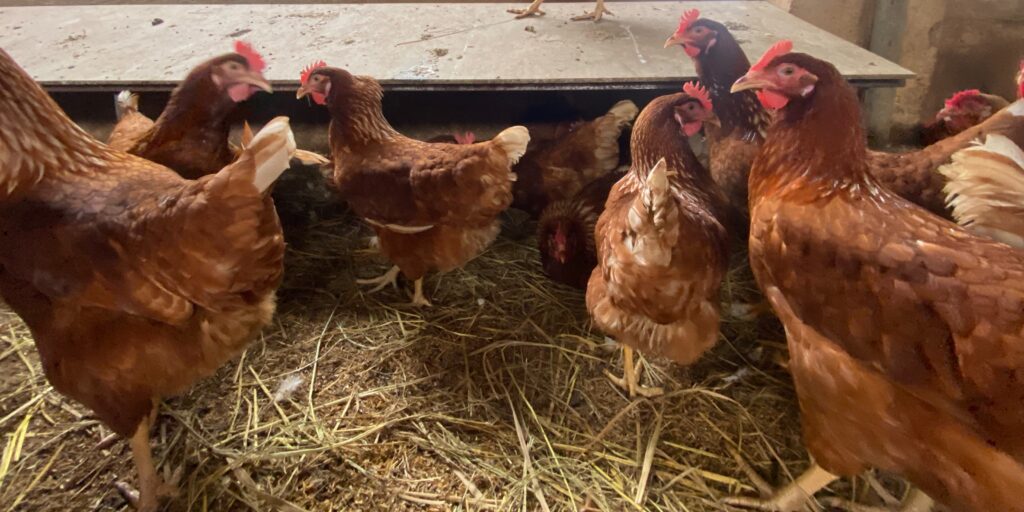
There are many assumptions around organic food, ethical food, farm eggs and free-range eggs. It is generally believed that these labels must also⠀⠀⠀⠀⠀⠀⠀⠀⠀⠀⠀⠀⠀⠀⠀⠀⠀⠀⠀⠀⠀⠀⠀⠀⠀ Home » Blog » Nutrition comparison of AuroOrchard eggs with other eggs in the marketㅤㅤㅤ Nutrition comparison of AuroOrchard eggs with other eggs in the marketㅤㅤㅤ July 2026 · Anshul Aggarwal There are many assumptions around organic food, ethical food, farm eggs and free-range eggs. It is generally believed that these labels must also indicate better nutritional quality. The converse is also common- if the nutrition is the same across different kinds of produce, why pay more for organic food or free-range eggs? We have been actively participating in these conversations for the last few years. We feel that one useful way to understand this is through nutritional testing and comparison. While a one-off test cannot serve as an absolute reference, individual tests can begin to show us a pattern and add more information to the discussion. Food composition varies according to the season, feed, age of the birds and other conditions. Any meaningful comparison would require regular and repeated testing. We also hope that sharing these results will create greater understanding and support for this work, and perhaps help us continue testing periodically, since comprehensive nutritional testing is expensive. After the work undertaken for our animal-welfare certification, and the many improvements made in our poultry system, we wanted to see how AuroOrchard eggs compared with the eggs that Aurovilians otherwise have access to. We sent three samples to Chennai Mettex Lab for comparative nutritional testing: white eggs purchased from Pour Tous Distribution Center; commercial brown eggs marketed as free-range, sold in packs of six and commonly available in stores in and around Auroville; AuroOrchard certified free-range eggs. The full test report can be found here.The following is a comparative summary of the results. All values are given per 100 g of edible egg, excluding the shell. Nutrient per 100 g Pondy White Pondy Brown AuroOrchard Energy 150.89 kcal 152.59 kcal 154 kcal Protein 13.04 g 13.13 g 13.74 g Total fat 10.61 g 10.71 g 10.62 g Saturated fat 3.96 g 3.96 g 3.87 g Carbohydrates 0.81 g 0.92 g 0.81 g Cholesterol 316 mg 273.3 mg 265.8 mg Sodium 120 mg 131 mg 115 mg Omega-3 fatty acids 158 mg 179 mg 196 mg Omega-6 fatty acids 1,183 mg 1,297 mg 1,151 mg Omega-6:omega-3 ratio 7.49:1 7.25:1 5.87:1 The differences in calories, carbohydrates and total fat are very small. All three eggs have broadly similar amounts of these nutrients. The clearer differences are in protein, omega-3, cholesterol and sodium. Among the samples tested, the AuroOrchard egg recorded: the highest protein; the highest omega-3; the lowest cholesterol; the lowest sodium; the lowest saturated fat; the lowest omega-6; the lowest omega-6-to-omega-3 ratio. The AuroOrchard sample contained around 5% more protein than the two Pondy eggs. Its omega-3 content was approximately 10% higher than the Pondy brown egg and 24% higher than the Pondy white egg. Its cholesterol was approximately 3% lower than the Pondy brown egg and 16% lower than the Pondy white egg. What does one egg contribute to our daily nutrition? The laboratory results are reported per 100 g, while an egg normally contains around 50 g of edible material. Egg sizes vary, so the following figures use 50 g as a simple illustration. For daily comparisons, we have used FSSAI’s reference values for an average adult diet: 2,000 kcal, 67 g total fat, 22 g saturated fat and 2,000 mg sodium. WHO describes approximately 50–75 g of protein as generally sufficient for an adult of healthy body weight consuming around 2,000 kcal. These are broad population references; an individual’s requirements depend on body size, activity, age and physiological condition. Approximate contribution from one 50 g egg Nutrient per 100 g Daily recommendation (FSSAI & WHO) Pondy White Pondy Brown AuroOrchard Energy 2,000 kcal/day 3.8% 3.8% 3.9% Protein 50–75 g/day 8.7–13.0% 8.8–13.1% 9.2–13.7% Total fat Up to 67 g/day 7.9% 8.0% 7.9% Saturated fat Up to 22 g/day 9.0% 9.0% 8.8% Sodium Less than 2,000 mg/day 3.0% 3.3% 2.9% The mid to late June showers bring some relief from the heat and life to the parched soil. During this time, we can start growing crops the same as Pin-Pani but also some other crops like cluster beans, flat beans etc.- its still a bit early for these crops but we can still do it. Of course, within this period falls the Aadi masam (mid-July) with heavy winds, when Papayas break and we have an abundance of green papayas in Auroville. Post-Aadi masam is really good for planting a diversity of crops. This is an interesting season because it is post-summer rain but it is not as cool as the post-monsoon season. So, it is in some ways similar to Pre-Summer and that is reflected in the kind of crops we can plant. We can start to grow some arugula in the shade, some greens, and prepare for planting yams and sweet potatoes. What can we conclude? Among the three samples tested, AuroOrchard eggs showed the strongest overall nutritional profile. It combined the highest protein and omega-3 results with the lowest cholesterol and sodium values. It also has a healthier omega-6 to omega-3 ratio. The test does give us some evidence towards how our attention to the birds, their outdoor access, fresh greens and the quality of their food is accompanied by a strong nutritional result in nutritional enhancement. We hope to repeat this testing periodically, across different seasons and flocks, so that we can understand how consistent these results are and how our farming practices influence the food we produce. Previous ArticleNext Article Featured Articles Words of appreciation…ㅤㅤㅤㅤㅤ 27 Aug 2026 Monthly Updatesㅤㅤㅤㅤㅤㅤㅤㅤ 26 Aug 2026 Words of appreciation…ㅤㅤㅤㅤㅤ 27 Aug 2026 Words of appreciation…ㅤㅤㅤㅤㅤ 26 Aug 2026
Natural Beekeeping and Apiary Project
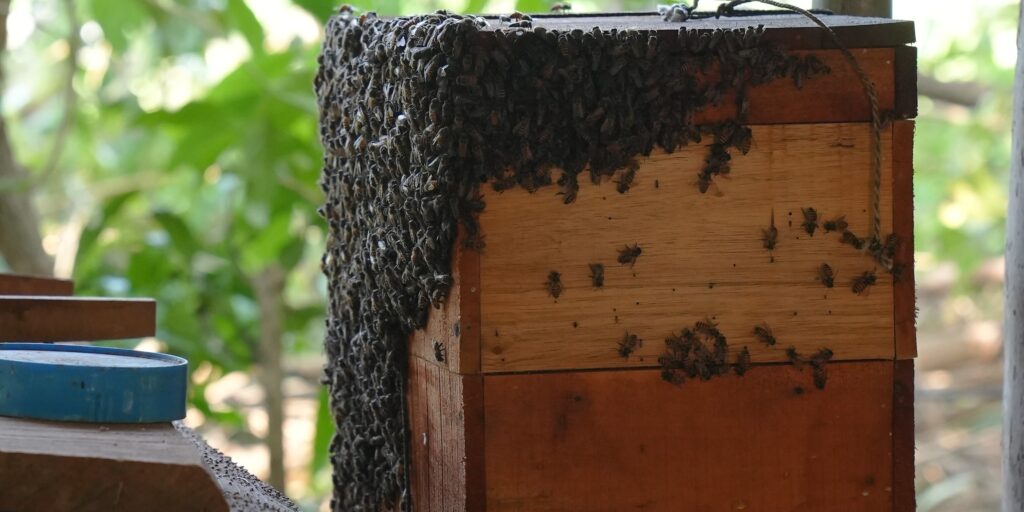
In January 2026, Erik spent six days at MadhuSree Honeybee Farm in Kerala. The farm has over 45 years of experience and manages more than 2,000⠀⠀⠀⠀⠀⠀⠀⠀⠀⠀⠀⠀⠀⠀⠀⠀⠀⠀⠀⠀⠀⠀⠀⠀⠀ ⠀⠀⠀⠀⠀⠀⠀⠀⠀⠀⠀⠀⠀⠀⠀⠀⠀⠀⠀⠀⠀⠀⠀⠀⠀ Home » Blog » Natural Beekeeping and Apiary Project Natural Beekeeping and Apiary Project July 2026 · Erik Jansegers & Anshul Aggarwal Between August 2025 and April 2026, AuroOrchard’s natural beekeeping project made significant progress towards developing a larger, resilient apiary and creating opportunities for learning about bees and small-scale honey harvesting. The project began in August 2025 with two main aims: to gradually expand the farm’s apiary to 100 hives, with the possibility of eventually reaching 200, and to offer workshops for farmers, students and people interested in natural beekeeping. Learning from experienced beekeepers In January 2026, Erik spent six days at MadhuSree Honeybee Farm in Kerala. The farm has over 45 years of experience and manages more than 2,000 colonies of the Indian hive bee, Apis cerana, and the stingless bee, Tetragonula iridipennis. The visit offered valuable practical learning in hive design, colony management, honey production, multiplication of colonies and the organisation of a professional beekeeping operation. It also helped inform the next stage of hive development at AuroOrchard. New hives and growing colonies Almost 30 new hives have been made using three designs developed and adapted by Erik: One Kenyan top-bar hive Five Warré hives Twenty-two stingless bee boxes designed for honey production These designs build on research and experimentation at AuroOrchard since 2015, together with Erik’s earlier beekeeping experience in France. The dimensions, ventilation, entrances and internal organisation of the hives are designed around the needs of the bees and the conditions of our region. The stingless bee boxes include a separate honey chamber, allowing honey to be collected with minimal disturbance to the brood area. The number of Apis cerana colonies at the farm has increased from three in 2025 to seven. The number of stingless bee colonies has grown from around fifteen to more than forty. The colonies are healthy and developing well. We are currently placing particular emphasis on stingless bees, which have shown themselves to be highly resilient in our local conditions. Expanding the apiary In February, the existing roofed apiary structure was extended and an old shed was repaired. Together, these spaces can eventually shelter between 100 and 200 stingless bee colonies. Honey harvesting is expected to begin in January 2027, during the main flowering season from December to March. The coming months will continue to focus on strengthening the colonies, observing the new hive designs and improving them through experience. Sharing the learning On 18 April 2026, AuroOrchard hosted a new three-and-a-half-hour workshop titled “The Secret Life of Honeybees: An Introduction to Natural Beekeeping.” Twenty-five people participated in the workshop, which introduced the lives of honeybees, the differences between bee species, hive design and the principles of working with bees in a respectful and attentive way. The response was very positive and encouraging. Natural beekeeping has been an area of exploration at AuroOrchard for more than ten years. This project is helping us deepen that work, create a strong home for bees at the farm and share what we are learning with a wider community. Previous ArticleNext Article Featured Articles Remembering the Beginnings…ㅤㅤㅤㅤㅤ 27 Aug 2026 Monthly Updatesㅤㅤㅤㅤㅤㅤㅤㅤ 26 Aug 2026 Remembering the Beginnings…ㅤㅤㅤㅤㅤ 27 Aug 2026 Words of appreciation…ㅤㅤㅤㅤㅤ 26 Aug 2026
The Six Seasons of Aurovilleㅤㅤㅤㅤ
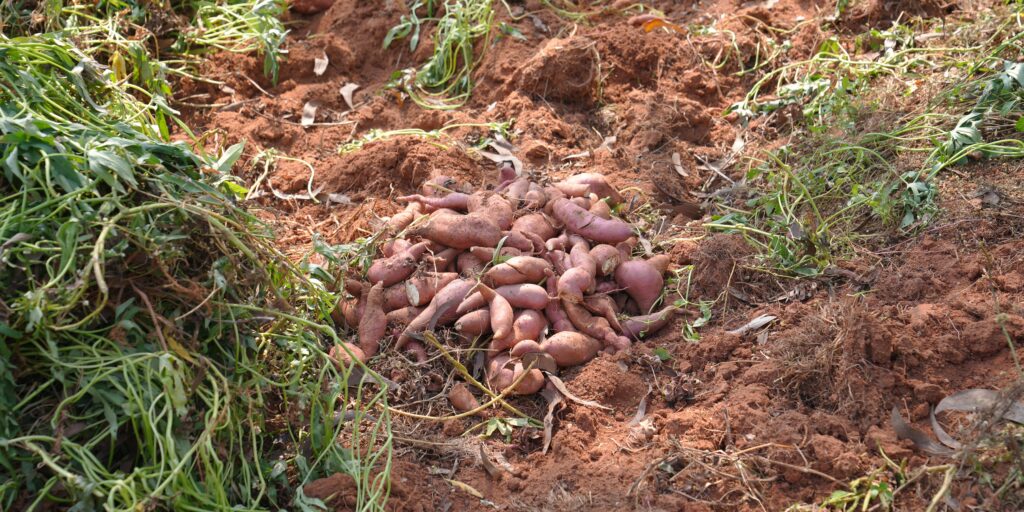
Does Auroville only have one long summer season? That is how it feels. But even the subtle differences make a lot of difference in farming. When I came to Auroville in 2019, I had only farmed in the mountains. I was used to four distinct Home » Blog » The Six Seasons of Auroville The Six Seasons of Auroville April 2026 · Anshul Aggarwal Does Auroville only have one long summer season? That is how it feels. But even the subtle differences make a lot of difference in farming. When I came to Auroville in 2019, I had only farmed in the mountains. I was used to four distinct seasons- of course with their own subtleties, but still the distinction between summer, autumn, winter, spring was quite pronounced. It took me about two years to understand that Auroville actually has six seasons! We have been planning our crops based on this understanding since 2022. Only much later, and recently, I found out that ancient Tamizh literature like Tolkaapiyam, also identifies six seasons for Tamil Nadu. This system of six seasons is called Paruvangal. Each season lasts exactly two Tamizh months, beginning with the Tamizh New Year in mid-April. Interestingly, my observations align perfectly with this age-old system. I will first describe how I observe seasons. The typical cycle of seasons is based on the position of the Earth in relationship to the Sun. The four main events in this yearly cycle with the Sun are- the two equinoxes, where the Earth is in perfect alignment with the Sun and the two solstices, where the Earth is tilted closest or farthest from the Sun. Since we are very close to the equator (12 degrees North) in Auroville, we don’t see the pronounced effects of these movements, and yet there are subtle changes. We can use the visual of breathing in and out- the most fundamental cycle that we experience. As the Earth moves in her cycle, it too breathes in and out. The beginning of the in-breath starts with the Autumn Equinox (September 21st)*. This is the period of going inwards, the year is winding down, we begin to reflect on the activity so far, some have the need to retreat into contemplation and silence, the land starts to cool down after summer and the rhythm of life becomes more relaxed. The peak of this in-breath comes at the Winter solstice (December 21st), the longest night of the year. In-breath, the period of inner activity continues until Spring Equinox (March 21st). We then move to the out-breath, where life starts to wake up from its slumber, flowers bloom, the land and air start to get warmer, microbes and insects multiply, and there is an impulse for external activity. The peak of this cycle is reached at the Summer solstice (June 21st) and this period itself continues until the Autumn Equinox (September 21st), after which it repeats itself. While these periods and patterns don’t apply as per dates and months in the same way to all locations on the Earth, the principles apply to all places and people. Even if not coordinated with seasons, we can easily observe these cycles in our own life. This is the template on which Auroville’s six seasons are based. The breathing cycle of the Earth * These descriptions apply to all of us in the Northern hemisphere of the planet. These patterns will be the exact opposite for people living in the Southern hemisphere. In the case of Auroville, or perhaps larger Tamil Nadu, the two extreme points are Summer and Monsoon, and, in my scheme, they become the reference for all the other seasons. And due to our location close to the equator as well as our proximity to the oceans, our seasons are not only influenced by solar cycles but also by oceanic and wind phenomena. The correlation of these seasons with the calendar months and the Tamizh Paruvangal is as follows: English calendar Solar event Breath cycle Paruvangal Tamizh calendar Pre-Summer Mid-Feb to Mid-April Spring Equinox Out-breath Pin-pani (Late dew) Masi & Panguni Summer Mid-April to Mid-June – Out-breath Ila-venil (Tender heat) Chittirai & Vaikasi Post-Summer Mid-June to Mid-Aug Summer Solstice Peak of out-breath Mudhu-venil (Mature heat) Ani & Adi Pre-Monsoon Mid-Aug to Mid-Oct Autumn Equinox In-breath Kar (Dark clouds) Avani & Purattasi Monsoon Mid-Oct to Mid-Dec – In-breath Kulir (Cold) Aippasi & Kartikai Post-monsoon Mid-Dec to Mid-Feb Winter Solstice Peak of in-breath Mun-pani (Early dew) Margali & Tai I will now describe what these seasons mean to us and how we organise our work based on them. Pre-Summer Paruvangal: Pin-pani (Late dew) | Tamizh calendar: Masi & Panguni | English calendar: Mid-Feb to Mid-April I will put this as the first as this is right after the Pongal festival in mid-January. The first season of a new cycle, and I will call this Pre-Summer. The days are still a bit short and the mornings and evenings are still cool. During this season, we continue planting summer crops like pumpkins, cucumbers, and gourds from the late previous season. We could continue planting some winter crops like spinach, lettuce etc. but the quality of those in this season is not that great due to hot days. The flavour is different and the texture is harder. During Pre-Summer, life is blooming, we can see a diversity of flowers on crops and trees. This is also the best time to save seeds. This season is closely associated with the Post-monsoon season, the last in the cycle (Mun-pani). Summer Paruvangal: Ila-venil (Tender heat) | Tamizh calendar: Chittirai & Vaikasi | English calendar: Mid-April to Mid-June Then, the sun starts to rise in the sky and the days as well as the nights are warmer. This is what I would call the real Summer. The production during this time starts to be limited to a few crops. It’s not so much due to heat but due to limitation of water and pressure from pests. Like many places
Reflections from Volunteersㅤㅤㅤㅤㅤ
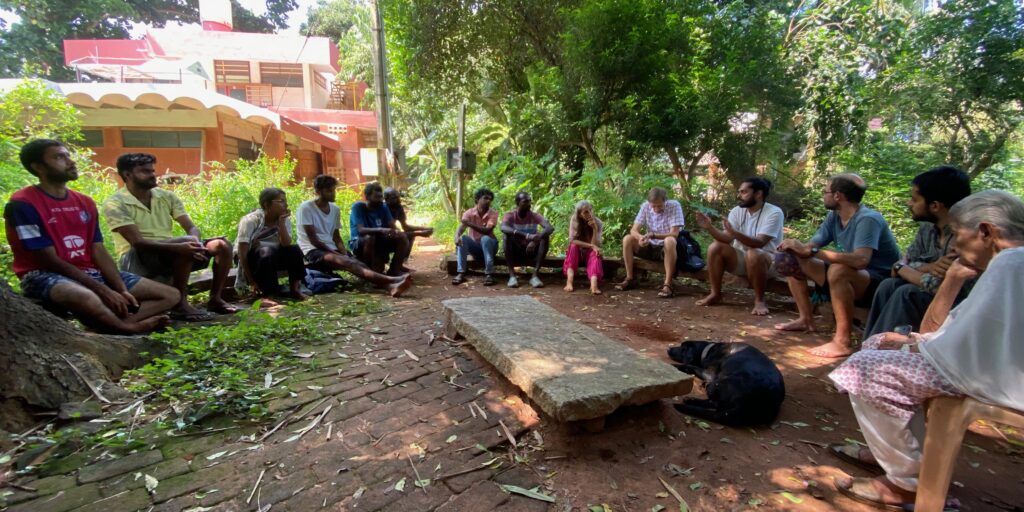
Our effort has been to open the space on the farm for learning agriculture as well as coming into a deeper contact with the land and oneself. We firmly believe the farm to be a site for Integral Education, with ample opportunities for development of the physical, vital, mental, spiritual, as well as the psychic. These are the reflections from some of our past volunteers showing the potential and possibilities of this work. Home » Blog » Ayurvedic Recommendations for Winter Reflections from Volunteers March 2026 · Anshul Aggarwal Our effort has been to open the space on the farm for learning agriculture as well as coming into a deeper contact with the land and oneself. We firmly believe the farm to be a site for Integral Education, with ample opportunities for development of the physical, vital, mental, spiritual, as well as the psychic. These are the reflections from some of our past volunteers showing the potential and possibilities of this work. My time at Auroorchard was a deeply valuable experience. I find it incredibly important that we spend time on the land – growing, preserving and innovating with food and Auroorchard provides that opportunity! I found the Auroorchard to be a living lab, where people can execute projects and research that can serve the multitude of projects on the farm, from regenerative farming to cultural paradigm shifts to education. Thanks to Anshul, Auroorchard takes a holistic approach to food farming, which is essential in both local and global food transitions that we desperately need. I hope the farm can grow, evolve and thrive for many years ahead. — Nikita Bharat, Netherlands AuroOrchard has left my heart full, thanks to the open-hearted people who work there and the mesmerizing beauty of the farm itself. It has been a true pleasure documenting the life of AuroOrchard and diving into the techniques of the natural way of farming. I feel deeply grateful for having been a part of the farm, even for a short period of time. — Taisiia Latypova, Russia I stayed at the farm for a week, and the experience truly stayed with me. I had zero background in farming, yet everyone there welcomed me with warmth and patiently taught me the basics. Every day brought a new learning — not just about farming practices, but about people, their journeys, and the stories they shared while we worked together. Even in that one week, I felt a deep connection to the people and the sense of community on the farm. It was a meaningful and memorable experience. — Sai Kiran, Andhra Pradesh, India I worked at AuroOrchard for a month, really it’s a wonderful experience to me and I gained a lot of knowledge from the farm.And now I am implementing the learnings at my place. And the people who are there are great and provided a lot to me. And everyone who is interested in farming should visit this place. — Ramesh G, Tamil Nadu, India It was amazing volunteering at AuroOrchard. Volunteering brought new learnings about farming, a nourishing breakfast and company of like minded fellows from different walks of life. Anshul used to solve my doubts and was great at doing thought experiments. Guided farm walk also helped a lot. I thoroughly enjoyed being at the farm. I saw so many birds I had not even known and made some great friends too. Thanks again for the opportunity ! — Abhijeet Kulkarni, Maharashtra, India It’s a simple truth that AuroOrchard made me feel far more deeply than I ever had before. My weeks at AuroOrchard showed me how every role, no matter how small or humble, becomes meaningful when directed toward a shared purpose: growing food for the community in the most natural and conscious way possible. During my stay, I listened to locals, Aurovilians, volunteers, travellers and tourists. Everyone carried a fragment of the larger story: a story shaped by the vision of The Mother and Sri Aurobindo, rooted in inner evolution, collective harmony, and the aspiration to manifest a more conscious world. Auroville itself is built on this experiment of human unity, and AuroOrchard reflects that ideal in the soil, the sweat, and the spirit of everyday work. The people I met now long-standing acquaintances and friends were bound not by background but by shared values. Together we watched sunrises on days that began in quiet reflection and sunsets that carried the satisfaction of honest labour. Even the pre-monsoon showers felt like a blessing, softening the earth we were working to nurture. We weeded, mulched, composted, pruned Malabar spinach. Simple tasks, yet profoundly grounding. Anshul’s guidance, the helpfulness of every volunteer and worker contributed in their own way. And that’s the beauty of the place: there is space for all, for every profession, every stage of life, every wandering soul seeking meaning or direction. Volunteering here isn’t just service; it is a form of education. You learn what it truly takes to bring food to a table. You learn to value every grain, every leaf, and the labour behind it. You learn the quiet art of not wasting. You learn the power of a community that gives because giving is part of living. Not everyone can give time, not everyone can give resources—but each of us can give something. And each offering, however small, helps sustain spaces like AuroOrchard spaces that heal the earth, and in many ways, heal us too. If you ever wish to reconnect with the essentials nature, community, purpose let Auroville hold you for a while. And let AuroOrchard put your hands back into the soil. It has a way of changing you, gently, irrevocably. — Rashmika Rajaram, Karnataka, India AuroOrchard means everything to us because it’s where we met. Living together for a love of health, AuroOrchard couldn’t have been a more profound farm to put our feet, hands, heart & mind in all things Nature. With Anshul at the helm and incredibly kindred volunteer souls, this place is
Certified Humane International program …

We have been working on this certification for the last 6 months, and our poultry has gone through significant improvements with support from a wonderful pool of resource people who deeply care about ethics of animal care in agriculture. This ce Home » Blog » Certified Humane International program for the Poultry Certified Humane International program for the Poultry March 2026 · Anshul Aggarwal AuroOrchard has just completed the certification process of the Certified Humane International (CHI) program. We have been working on this certification for the last 6 months, and our poultry has gone through significant improvements with support from a wonderful pool of resource people who deeply care about ethics of animal care in agriculture. This certification is quite stringent with a great deal of paperwork, in-person inspection and annual audits. The CHI standards are quite extensive and detailed and have given us a strong foundation and reference to build on. You can read more about CHI standards here. This process has also helped us know more about the conversation on ethical poultry farming in the world, and how different farmers around the world are practicing this in their own ways based on their context and resources. While the certificate in itself is not a big achievement, it affirms our commitment to an unending pursuit of growing the highest quality food for Auroville. Our sincere gratitude to our wonderful community for their support and encouragement in doing this work. You can find some answers to common questions on AuroOrchard eggs here. Previous Article Featured Articles Monthly Updatesㅤㅤㅤㅤㅤㅤㅤㅤ 25 Mar 2026 Year-end updatesㅤㅤㅤㅤㅤㅤㅤㅤ 20 Dec 2025 Certified Humane International program … 27 Mar 2026 Time to Summernate: Ayurveda Healthy Tips by 26 Mar 2026
Eating With the Daylightㅤㅤㅤㅤㅤ
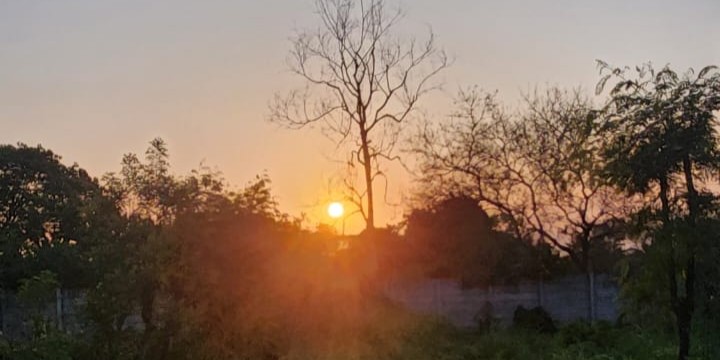
Life on Earth moves in a rhythm shaped by the sun. As daylight arrives, nature slowly comes alive. Birds begin to chirp, plants respond to light, and activity across ecosystems increases. As the sun rises higher, energy builds. Around midday, this energy reaches its peak. As evening approaches and the sun begins to set, activity gradually slows, preparing all living beings for rest. Home » Blog » Eating With the Daylight Eating With the Daylight March 2026 · Charan GP “Insights into the connection between sunlight, circadian rhythm, and the body’s digestive and sleep cycles.” Life on Earth moves in a rhythm shaped by the sun. As daylight arrives, nature slowly comes alive. Birds begin to chirp, plants respond to light, and activity across ecosystems increases. As the sun rises higher, energy builds. Around midday, this energy reaches its peak. As evening approaches and the sun begins to set, activity gradually slows, preparing all living beings for rest. The human body is deeply connected to this same rhythm. This daily cycle of light and darkness regulates what is known as the circadian rhythm, the internal body clock that influences sleep, wakefulness, hormone release, digestion, metabolism, and repair processes. The body does not function randomly. It responds continuously to the presence or absence of light. Sunlight and Digestive Capacity One important aspect of circadian rhythm is digestion. Digestive strength is closely aligned with daylight. As the sun rises and energy increases, the body’s ability to digest, absorb, and metabolise food also increases. Around late morning to early afternoon, when the sun is near its peak, digestive activity is at its strongest. As the day moves toward sunset, digestive capacity naturally declines. When food is eaten late in the evening, the body must stay active digesting at a time meant for slowing down, repair, and rest. Energy that could support deep sleep is instead diverted toward digestion. Many people notice this through experience. After eating a heavy meal at night, the body may still feel bloated or heavy the next morning. Sleep may feel light or incomplete, and waking up does not always bring a sense of freshness. Observation Through Experience For many years, despite sleeping for enough hours, I often woke up without feeling rested. A simple question kept coming up. Why do I not feel fresh after sleep? This curiosity led me to observe my eating patterns. Growing up, dinner was usually between 8 and 9 pm. In my early twenties, I began experimenting by eating earlier. First around 7 pm, then 6 pm, and sometimes skipping dinner altogether. Over time, changes became noticeable. Sleep felt deeper, mornings lighter, and energy more stable through the day. For the past several years, this exploration has continued. Currently, I finish my meals within a four-hour window, usually between 10 am and 2 pm, followed by a fasting period of about twenty hours. This timing closely follows daylight hours and the natural rise and fall of energy in the body. Breaking the Fast Gently When the body wakes up in the morning, it has just come out of a fasting state. At this time, the system is sensitive and receptive. Just as a vehicle starts in first gear before moving into higher gears, the body also benefits from a gentle beginning. Hydrating and easily digestible foods support this transition. Fresh fruits, fruit juices, coconut water, and green juices etc provide hydration and light nourishment without burdening the digestive system. As the day progresses and sunlight increases, denser foods can be introduced, when the body has more energy and time available for digestion. Circadian Rhythm and Artificial Light The circadian rhythm is the body’s internal clock, regulated mainly by light and darkness. Morning sunlight signals the body to wake up, activate digestion, and increase alertness. As daylight fades, the body naturally prepares for rest through the release of melatonin, which supports deep sleep and recovery. Exposure to artificial light, especially blue light from mobile phones and screens, after sunset can disrupt this process. Blue light mimics daylight and can signal the body to stay alert when it should be slowing down. This can delay melatonin release, reduce sleep quality, and limit the body’s ability to rest and repair. Just as eating late keeps digestion active at night, prolonged screen exposure after sunset keeps the nervous system active, reducing the depth and effectiveness of sleep. Living in Alignment The circadian rhythm is not something external to follow. It is already functioning within the body. Paying attention to light, food timing, and rest allows the body to work with less resistance. A simple reflection can be useful. Have you noticed how your body feels after eating something heavy at night? Or how screen exposure late into the evening affects your sleep and energy the next morning? Observing these signals, without forcing change, often reveals what the body naturally prefers. The sun rises and sets each day without effort. When daily life begins to align more closely with this rhythm, the gut, sleep, and energy often respond with greater ease. Previous ArticleNext Article Featured Articles Monthly Updatesㅤㅤㅤㅤㅤㅤㅤㅤ 25 Mar 2026 Year-end updatesㅤㅤㅤㅤㅤㅤㅤㅤ 20 Dec 2025 Food Sovereignty and Seeds of AuroOrchard 28 Mar 2026 Eating With the Daylight 26 Mar 2026
Hunger: A forgotten language
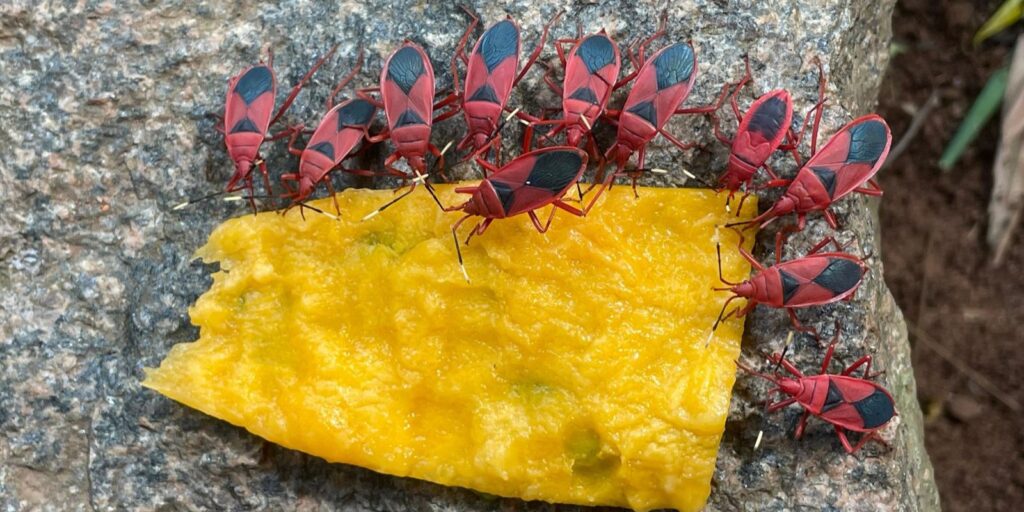
Before speaking about food, nutrition, or health, there is a quieter and more fundamental question that often goes unasked: What is hunger? Home » Blog » Hunger: A forgotten language Hunger: A forgotten language February 2026 · Charan GP Before speaking about food, nutrition, or health, there is a quieter and more fundamental question that often goes unasked: What is hunger? Where do you feel it in your body? Is it in your stomach, your throat, your mouth, a readiness to receive food? Or is what we call hunger shaped by other rhythms: the time of day, emotion, or habit? When was the last time you were truly hungry and had a meal? Eating by Time, Not by Need Growing up our meals are often organized almost entirely by time. Breakfast in the morning, lunch in the afternoon, dinner at night, with snacking woven in between. School bells, schedules, and later work routines dictates when to eat. Hunger, the word itself, becomes distant, less a lived experience, more a concept tied to routine. From Bodily Clarity to Conditioning A baby knows hunger clearly. When a baby is hungry, it cries. When it is full, it does not eat. There is no persuasion, no logic, no routine. The communication is direct and embodied. Slowly, feeding is aligned with adult schedules and convenience. Over time, the clarity of hunger dulls. What begins as responsiveness becomes routine. By adulthood, most of us are better at following the clock than listening to the body. Hunger in Nature-+ licated. Animals eat when they are hungry. If food is not available, they wait. They fast. Wild animals do not graze continuously; they eat when the body calls. Domesticated animals are conditioned to schedules, but instinct still speaks. In the wild, movement, effort, and hunger are connected. Physical activity prepares the digestive system. Food is earned through engagement with life. Modern human life looks different. We sit for long hours. We move little. Yet we eat frequently, often more than our ancestors ever did. The Invention of Breakfast For much of human history, there was no universal concept of breakfast as we know it today. Many traditional cultures ate one or two substantial meals a day, often after physical work had already begun. The modern idea of breakfast emerged alongside industrialization. Factory schedules, school timetables, and long working hours required predictable energy intake. Food had to be quick, standardized, and easily distributed. Cereal companies seized this opportunity. By promoting grains as essential morning fuel, they introduced the notion that skipping breakfast was unhealthy, even dangerous. Marketing framed breakfast as the most important meal, not because the body demanded it, but because industry required it and products needed to be sold. Over time, this industrial solution became a cultural norm, reaching Indian households and blending with local food habits. What began as a strategy for consumption became unquestioned tradition. Eating Without Hunger When food is eaten without hunger, the experience changes. Have you noticed how food tastes when you are truly hungry? Even the simplest, bland meal feels satisfying, alive, enough. When hunger is absent, even the most elaborate meal can feel dull. The body seeks stimulation instead of nourishment: more spice, more salt, more sugar, more intensity. This is not a failing; it is a sensory response. Appetite becomes craving. Digestion, Fatigue, and Stimulation Digestion requires energy. It draws on what many traditions call prana or nerve energy. When the body is genuinely hungry, digestion flows easily. Enzymes respond. Energy moves. When food arrives without hunger, digestion becomes work. Energy is pulled inward, and the body feels heavy, sluggish, or sleepy. To counter this, we reach for external stimulants: tea, coffee, sugar. These provide temporary lift but do not restore underlying energy. The cycle quietly repeats. Availability, Habit, and Overfeeding Another layer is availability. Food today is constantly accessible. It arrives with a click or a short walk. There is little waiting, no effort. Hunger cues blur. Habit takes over. Our ancestors worked for food, moved for it, and ate in response to genuine need. Today, we eat because it is there, not always because the body calls. An Ongoing Inquiry I am still learning this myself everyday to listen to the body and feed when hungry. It is not simple when decades of habit have trained the body to ignore its signals. Sometimes thirst can also be confused with hunger. Hunger is not an idea. It is a sensation, a communication, a relationship. Perhaps the question is not how often we eat or what we eat, but whether we are listening at all. An Invitation For your next meal, take a moment to feel your body and check what is guiding you to feed. I am curious to hear your reflections and insights. Previous Article Featured Articles Monthly Updatesㅤㅤㅤㅤㅤㅤㅤㅤ 25 Feb 2026 Year-end updatesㅤㅤㅤㅤㅤㅤㅤㅤ 20 Dec 2025 Hunger: A forgotten language 26 Feb 2026 The World of Bananasㅤㅤㅤㅤㅤㅤ 25 Feb 2026